live U.S. and Iran trade threats as World focus' on reopening Strait of Hormuz - Middle East conflict on 3 April
Iran has rejected claims it has been weakened, vowing instead “more crushing” attacks against the United States and ...
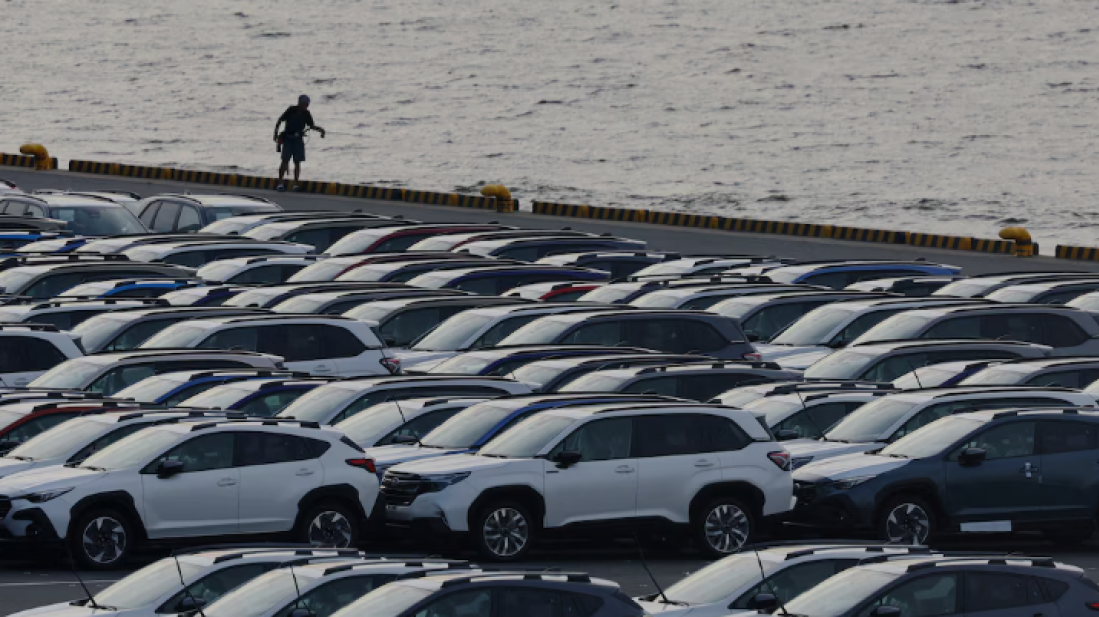
The U.S. will lower tariffs on Japanese cars and auto parts by 16 September under a trade deal formalised by President Donald Trump, Japan’s chief negotiator said Tuesday.
Japan’s tariff negotiator Ryosei Akazawa announced that revised U.S. tariff rates on Japanese goods, including autos, will take effect within a week of their 9 September publication in the Federal Register.
The move follows Trump’s executive order on the U.S.-Japan trade agreement signed in July, which cut tariffs to 15% in exchange for a $550 billion package of Japanese investments and loans for U.S. projects.
Akazawa said the order brought clarity on implementation but stressed that negotiations remain unfinished.
Key issues, including most-favoured-nation status for semiconductors and pharmaceuticals, were left out of the executive order.
While a joint statement last week promised Japan the lowest tariff rates on chips and pharmaceuticals under any U.S. trade deal, Tokyo continues to push for the pledge to be formalised.
On the $550 billion investment package, Akazawa noted that it will be up to Washington to decide which projects, such as Nippon Steel’s planned U.S. Steel acquisition or SoftBank Group initiatives will benefit.

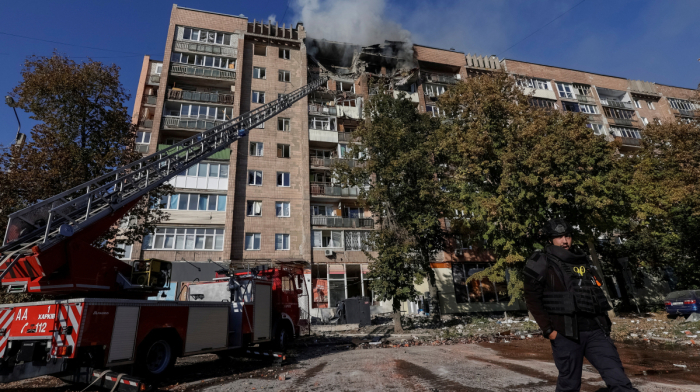
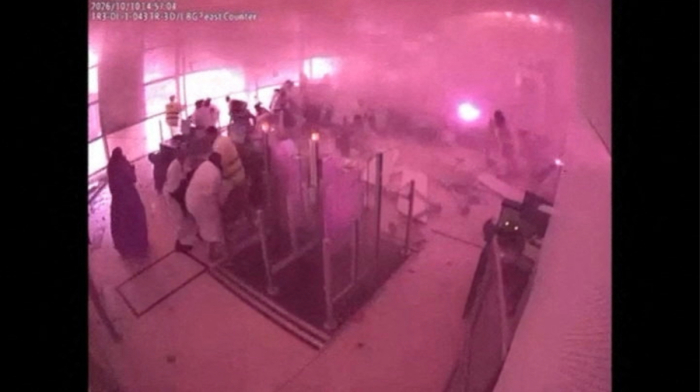
Fears of wider escalation grow despite President Donald Trump saying U.S. strikes on Iran could end within weeks. Meanwhile missile attacks, tanker incidents and rising casualties across Israel, Lebanon and the Gulf heighten risks to regional stability and energy routes.
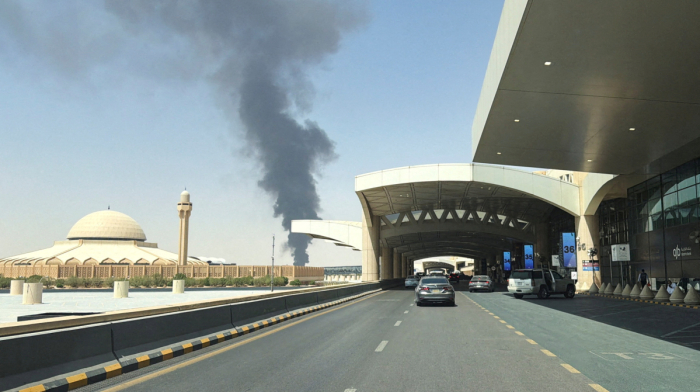
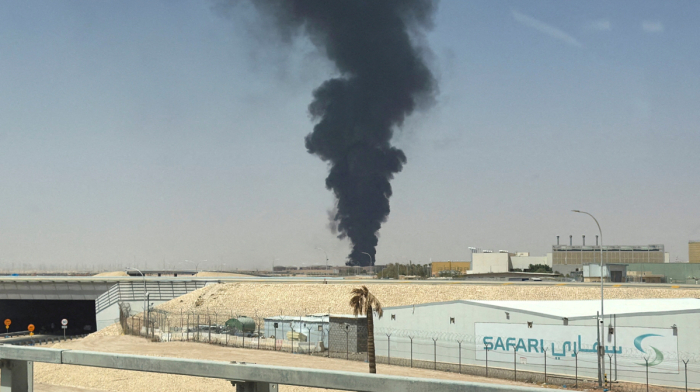
There are fears of an oil spill after a drone strike hit a Kuwaiti oil tanker near Dubai on Tuesday, while U.S.-Israeli strikes in Iran reportedly killed at least two people. A loud explosion was heard in Beirut in southern Lebanon early Wednesday, as oil prices climbed above $100 a barrel.
Russian-flagged tanker carrying approximately 700,000 barrels of crude oil docked at Cuba's Matanzas oil terminal on Tuesday, shipping data confirmed, marking a vital and controversial delivery to an island paralysed by severe energy shortages and a suffocating U.S. blockade.
Four astronauts blasted off from Florida on Wednesday on NASA's Artemis II mission, a high-stakes voyage around the moon that marks the United States' boldest step yet toward returning humans to the lunar surface later this decade in a race with China.
An earthquake of magnitude 7.6 struck in Indonesia's Northern Molucca Sea on Thursday, killing one person, damaging some buildings and triggering tsunami waves, authorities and witnesses said.
The U.S. national average retail price of petrol rose above $4 a gallon for the first time in over three years on Monday (30 March), according to GasBuddy data, as the U.S.–Israeli war with Iran continued to roil global energy markets.
Japan and Indonesia will deepen coordination on energy security, Tokyo said, as the U.S.-Israeli war on Iran disrupts vital oil and gas flows to Asia.
China's three largest state-owned airlines have issued warnings regarding their financial outlook for the current year, acknowledging that the eruption of war involving Iran has driven jet fuel prices to unsustainable highs.
Stock markets across Asia fell on Monday as escalating conflict involving Iran drove oil prices sharply higher, fuelling fears of inflation and a potential global recession, with investors reacting to disruption risks in the Strait of Hormuz and prolonged hostilities.
World Trade Organization (WTO) talks broke up with no agreement on Monday on a plan for reform or even on extending a moratorium on e-commerce, piling more pressure on the trade body that finds itself increasingly sidelined by economic nationalism.
You can download the AnewZ application from Play Store and the App Store.
What is your opinion on this topic?
Leave the first comment