India tightens anti-pollution curbs in New Delhi as air quality dips
India has imposed stricter anti-pollution measures in its capital New Delhi and adjoining areas on Tuesday, as the air quality deteriorated to "severe...
Apple’s latest smartphone, the iPhone Air, sold out within minutes of its launch in China on Friday, highlighting the brand’s enduring appeal among Chinese consumers despite growing competition from local Android makers.
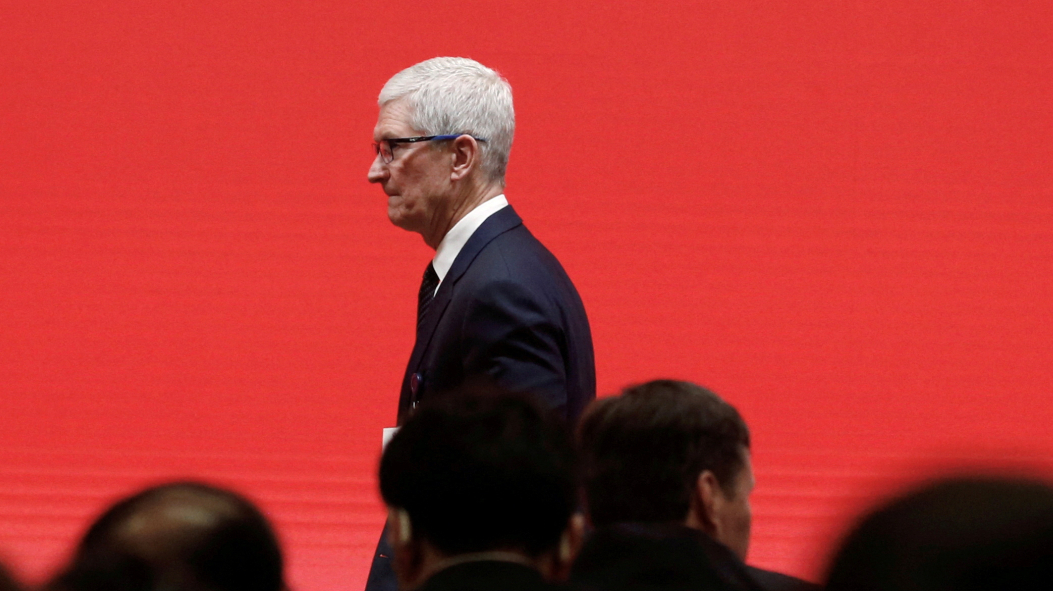
The swift sellout came just days after Apple CEO Tim Cook concluded a high-profile visit to China, where he met with developers, retail staff, and partners in a show of confidence in the company’s second-largest market. Cook’s visit, widely covered by Chinese media, appeared to generate strong consumer enthusiasm ahead of the iPhone Air’s debut.
Apple’s Chinese website and several authorized online retailers reported that the new model was sold out within minutes of preorders opening, with delivery dates quickly pushed back by several weeks. The surge in demand reflects the continued loyalty of Apple’s user base in China, even as rivals such as Huawei, Xiaomi, and Oppo intensify competition with new flagship releases.
The iPhone Air, positioned as a lighter and more power-efficient version of Apple’s main lineup, has drawn attention for its sleek design and advanced display technology. Its lower price point compared with the Pro series also makes it attractive to a broader range of consumers, especially younger buyers in urban markets.
The strong launch suggests Apple’s brand image remains resilient in China, despite political tensions and the rise of homegrown alternatives. “The rapid sellout shows that Apple still commands significant emotional and technological appeal,” said one market expert. “Consumers trust the brand’s ecosystem, and the iPhone Air hits the sweet spot between performance and price.”
During his visit, Cook reaffirmed Apple’s commitment to the Chinese market, describing the country as a “vital center for innovation and craftsmanship.” His remarks were interpreted as an effort to reassure both Chinese consumers and manufacturing partners amid ongoing scrutiny of US. tech companies operating in China.
While Apple continues to face headwinds from tightening regulations and fierce domestic competition, the iPhone Air’s early success suggests that the company’s formula of combining design, performance, and brand prestige still resonates deeply with Chinese consumers.
For now, the iPhone Air’s instant sellout shows more than just strong sales; it sheds light on Apple’s ability to maintain its cultural and commercial presence in one of the world’s most competitive smartphone markets.

Billionaire Jeff Bezos’s Blue Origin has launched NASA’s twin ESCAPADE satellites to Mars on Sunday, marking the second flight of its New Glenn rocket, a mission seen as a crucial test of the company’s reusability ambitions and a fresh challenge to Elon Musk’s SpaceX.
Elon Musk’s bold vision for the future of technology doesn’t stop at reshaping space exploration or electric cars. The Neuralink brain-chip technology he introduced in 2020 could mark the end of smartphones as we know them, and his recent statements amplify this futuristic idea.
Two trains crashed in Slovakia on Sunday evening after one ran into the back of the other, injuring dozens of passengers, police and the country's interior minister said.
China has announced exemptions to its export controls on Nexperia chips intended for civilian use, the commerce ministry said on Sunday, a move aimed at easing supply shortages affecting carmakers and automotive suppliers.
Russia said its forces have captured the village of Rybne in Ukraine’s southeastern Zaporizhzhia region, though Kyiv has not confirmed the claim. Ukraine’s military says it repelled multiple Russian assaults nearby amid ongoing heavy fighting.
Wall Street climbed sharply on Monday, with Nvidia up 5.8% and Palantir 8.8%, as artificial intelligence (AI) stocks rebound and progress in Congress raises hopes of ending the U.S. government shutdown.
Visa and Mastercard announce a $38 billion settlement with merchants over high swipe fees, including fee reductions, surcharges options, and eight-year caps on standard consumer cards, resolving a 20-year antitrust battle.
Despite promises of recovery from the new government, Germany’s economy continues to stagnate, with no signs of renewed momentum. According to the latest report from the German Chamber of Industry and Commerce (DIHK), the country still lacks the drive needed for a genuine economic rebound.
Türkiye’s benchmark BIST 100 index ended Thursday up 0.94%, closing at 11,073.27 points. Opening the day at 11,029.29, the index gained 102.9 points compared with the previous close.
Dutch smartphone maker Fairphone is entering the U.S. market, betting on growing demand for repairable and sustainable devices as right-to-repair legislation gains traction, according to Reuters.
You can download the AnewZ application from Play Store and the App Store.
What is your opinion on this topic?
Leave the first comment