Australia returns ancient Chinese statue heads stolen from imperial tombs
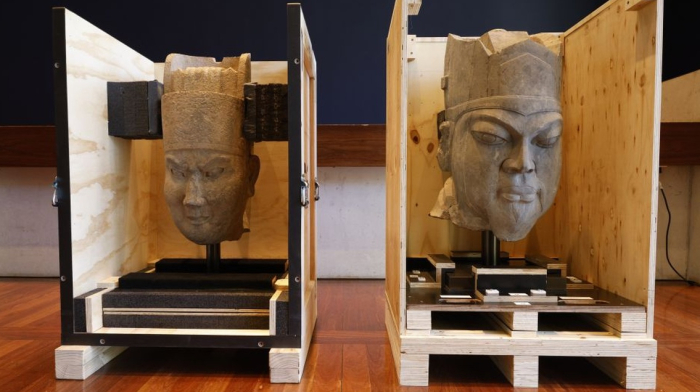
Australia has returned two ancient stone statue heads to China, more than 30 years after they were taken from imperial tombs in central China....
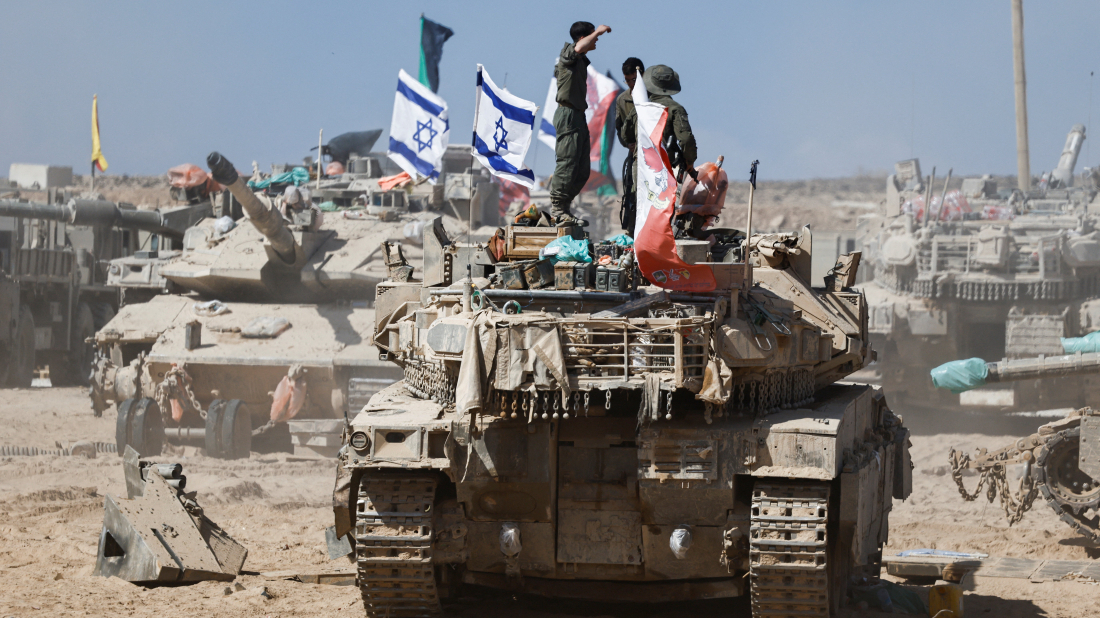
Israeli Military has confirmed it opened fire on what it called "several approaching terrorists" who crossed the yellow line in the Shejaiya area in Gaza, sparking fears that the ceasefire will not hold.
In a post on X, it said there were two seperate incidents where the IDF troops were approached, "posing an immediate threat to them".
It then said that troops are deployed to the area in accordance with the ceasefire agreement and will continue to operate to remove any immediate threat.
This comes as American envoys are expected in Israel for talks to usher in the second phase of the ceasefire agreement. They include Steve Witkoff, Jared Kushner and possibly Vice President JD Vance.
A Palestinian official familiar with the matter confirmed to Reuters that efforts by Arab mediators and US will ramp up on Monday after calm was restored in Gaza, following a day of intense bombardments that killed at least 28 people.
Israel said it launched the strikes after two of its soldiers who were operating within the agreed yellow line were killed in an attack in Southern Gaza.
Gaza city residents said they were confused about where the line runs with only electronic maps available and physical markings yet to be established along most of the route.
Recovery of bodies of deceased hostages remain a sore topic as the ceasefire continues to hold, with Israel still waiting to receive the bodies of 16 more hostages thought to be in Gaza.
Israe believes Hamas is able to hand over up to six more of the bodies immediately while Hamas said it had located another hostage body it would return to Israel if conditions allowed.
With the truce still uncertain, Gaza residents fear more violence.
"I felt my heart dropping to the ground, I felt the ceasefire collapsed," said Abu Abdallah, a Gaza City businessman, displaced in the central Gaza Strip.
"What happened yesterday made people go crazy to buy food, greedy merchants hiked the prices, the deal looks so fragile," he told Reuters via a chat app.
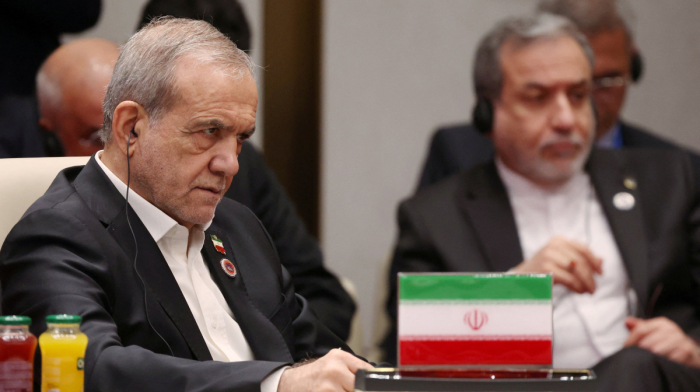
The Middle East conflict remains tense as diplomatic efforts continue alongside renewed Houthi attacks. Iran says it remains open to mediation, while the Saudi-led coalition says it intercepted a ballistic missile fired towards the kingdom.
Evacuations and the provision of humanitarian aid in the Russian-occupied southern Ukrainian town of Oleshky have begun, a senior Ukrainian official said on Friday. In a statement on Telegram, David Arakhamia said a six-day ceasefire was holding, and that more details would follow.
Rescuers searched the wreckage of two high-speed trains in central Spain on Thursday as the death toll rose to a provisional 74, making it the country's second fatal high-speed rail disaster this year.
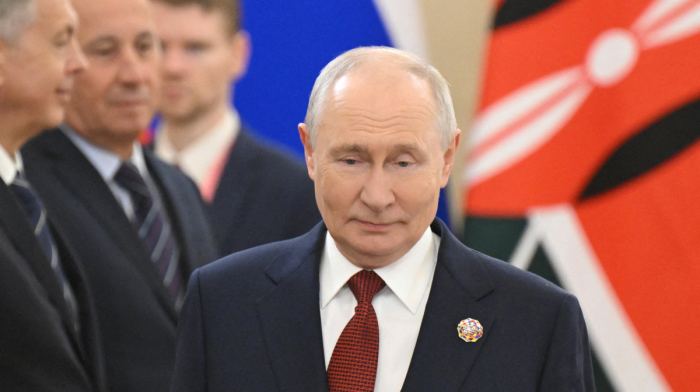
Russian President Vladimir Putin said Russia remains willing to rebuild relations with European countries but warned that any wider conflict on the continent would leave no winners, as he commented on recent diplomatic contacts with Nordic leaders and growing security concerns in the Baltic region.
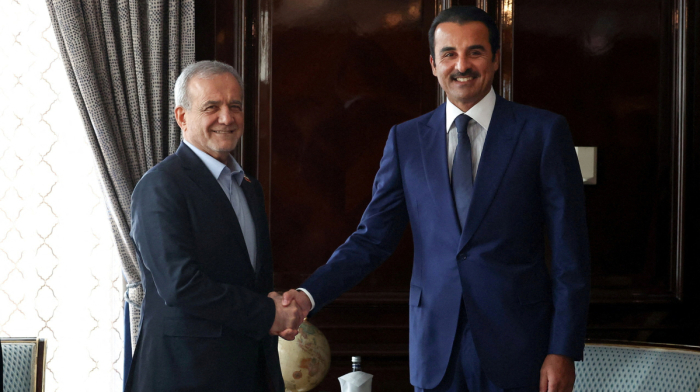
Qatari mediators returned to Tehran on Friday as part of efforts to reach a deal between the U.S. and Iran, according to an official briefed on the talks.
Demonstrators carrying Iranian flags and placards supporting the hijab gathered outside the Azerbaijani Embassy in London.
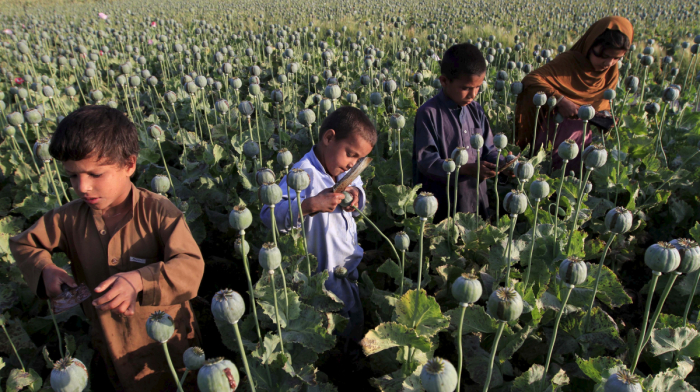
Opium poppy cultivation in Afghanistan surged by 330 per cent in 2026 despite a four-year ban, the United Nations said on Thursday. Afghan authorities disputed the findings, while Japan urged continued support for farmers seeking alternative livelihoods.
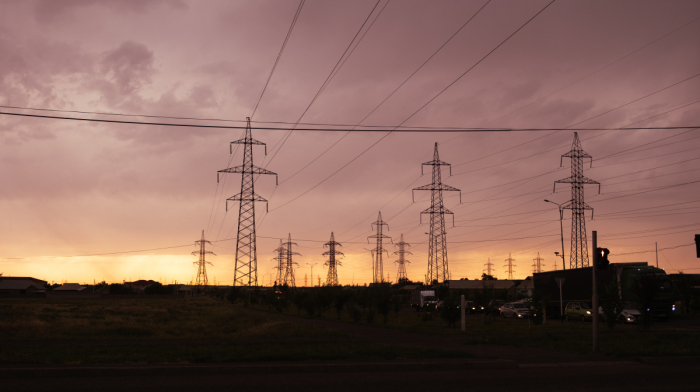
Central Asia could gain up to $640 million a year from closer energy cooperation, but strained electricity grids threaten to limit those gains, with Kazakhstan particularly exposed to regional power shortages and growing pressure on its network.
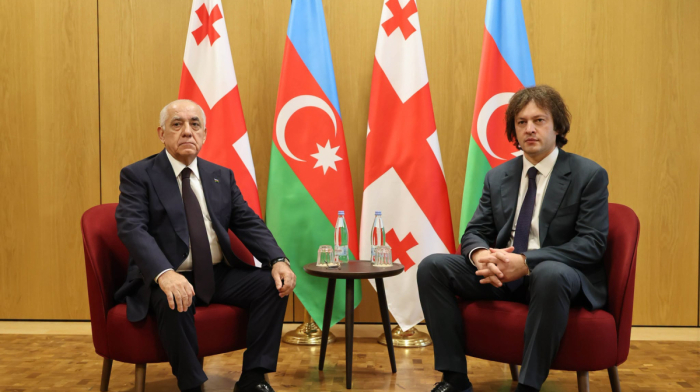
Georgia and Azerbaijan are stepping up efforts to boost trade, strengthen transport links between Asia and Europe and resolve a longstanding border dispute, as both countries seek to deepen their strategic partnership.
People travelling between Uzbekistan, Kazakhstan, Kyrgyzstan, Tajikistan and Azerbaijan could soon be able to pay for purchases using their usual banking apps. Central banks from the five countries are working on linking their national payment systems.
You can download the AnewZ application from Play Store and the App Store.
What is your opinion on this topic?
Leave the first comment