Global leaders gather in Türkiye for Antalya Diplomacy Forum
Global leaders and diplomats have gathered in southern Türkiye for the fifth Antalya Diplomacy Forum, focusing on uncertainty, conflict and th...
The Israeli military says it has destroyed an underground bunker beneath Iran’s leadership complex in Tehran that it claims was built for former supreme leader Ali Khamenei.
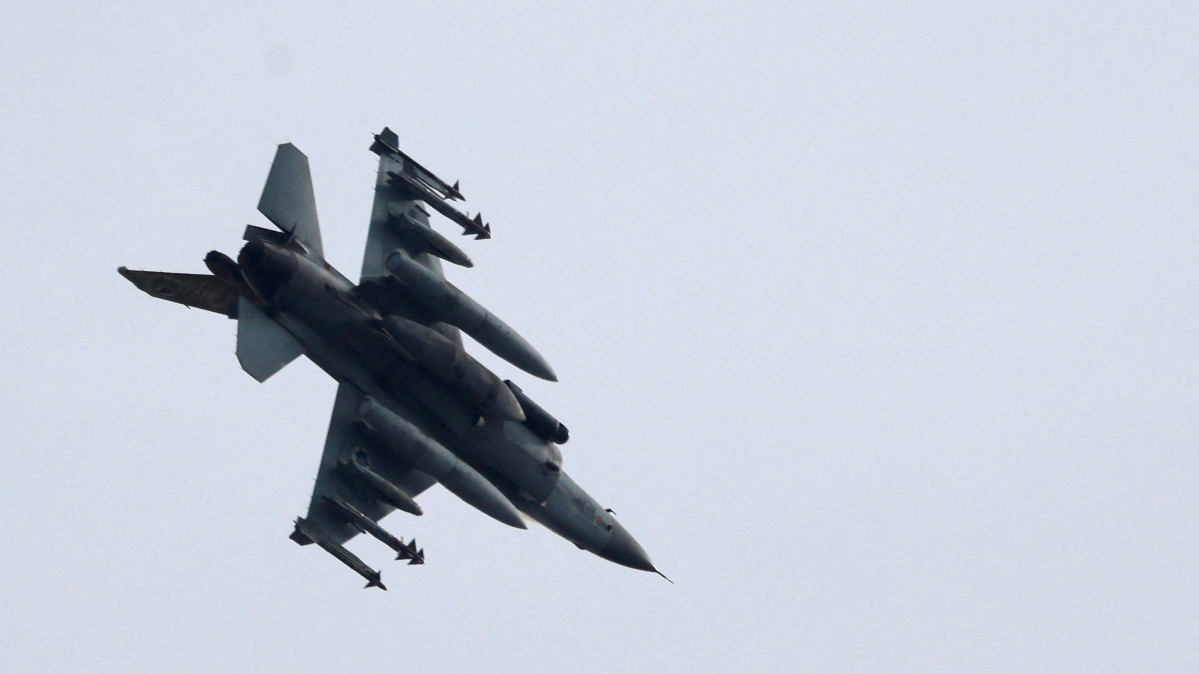
According to the Israel Defence Forces (IDF), around 50 fighter jets from the Israeli Air Force dropped roughly 100 bombs on the site early this morning. The military said the bunker lay beneath a large compound in the Iranian capital and stretched across several streets, with multiple entrances and rooms used for meetings by senior members of Iran’s leadership.
The IDF said the underground facility had been designed as a secure emergency command centre from which Khamenei could manage the war. However, it said the Iranian leader had already been killed in an Israeli strike on Saturday before he was able to use it.
Israeli officials also said the compound continued to be used by senior Iranian figures after Khamenei’s death.
The military said the strike followed years of intelligence gathering. Specialists from Unit 8200, responsible for signals intelligence, and Unit 9900, which focuses on visual intelligence, had mapped the underground complex in detail, enabling what the IDF described as a “precise” attack.
Israel says it has targeted locations within Tehran’s leadership complex several times during the conflict. In the opening strike of the war, the IDF said it killed Khamenei at his compound within the complex. Another attack on a nearby building reportedly killed eight senior Iranian officials.
Earlier this week, Israeli forces also said they had struck several sites in the area, including Iran’s presidential bureau and the headquarters of the country’s Supreme National Security Council.

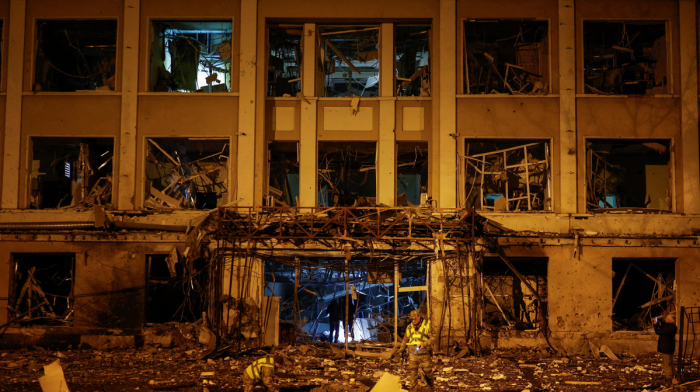
The past 24 hours of the Russia-Ukraine war have seen a drastic escalation in both aerial bombardment and frontline losses.
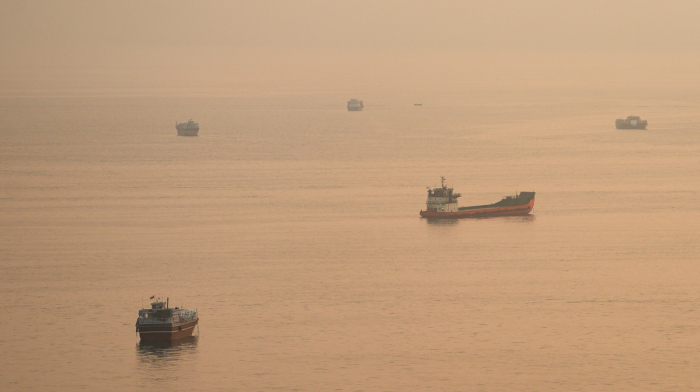
Iran reopened the Strait of Hormuz to commercial shipping on Friday (17 April) for the first time since the U.S. and Israel killed Iran's ex-Supreme Leader in air strikes, triggering the Middle East conflict, at the end of February. A U.S. blockade on Iranian ports, however, remains in force.
Russia published addresses of manufacturers allegedly producing drones or components for Ukraine on Wednesday (15 April), warning European countries against plans to step up UAV supplies to Kyiv.
Iran's Islamic Revolutionary Guards Corps (IRGC) said in a Saturday statement that the Strait of Hormuz has returned to its "previous state" under the control of its "armed forces," citing the ongoing U.S. blockade on Iranian ports.
Netflix shares fell sharply on Friday after the streaming group issued a weaker-than-expected outlook and said chairman and co-founder Reed Hastings will step down from the board.
Global leaders and diplomats gathered in southern Türkiye on 17 April for the fifth Antalya Diplomacy Forum, focusing on uncertainty, conflict, and the future of global cooperation.
Armenian Prime Minister Nikol Pashinyan said Armenia and Russia have agreed to continue implementing previously reached agreements in the military-technical sphere following his meeting with Russian President Vladimir Putin in Moscow.
Global leaders have gathered in Antalya Diplomacy Forum, with discussions centred on geopolitical uncertainty and international cooperation.
Syrian President Ahmed al-Sharaa has said his country could provide a “safe corridor” and “alternative route” for regional energy shipments, as supply disruptions continue to affect the wider Middle East.
An average of at least 47 women and girls were killed each day during the war in Gaza, according to new figures released by UN Women.
You can download the AnewZ application from Play Store and the App Store.
What is your opinion on this topic?
Leave the first comment