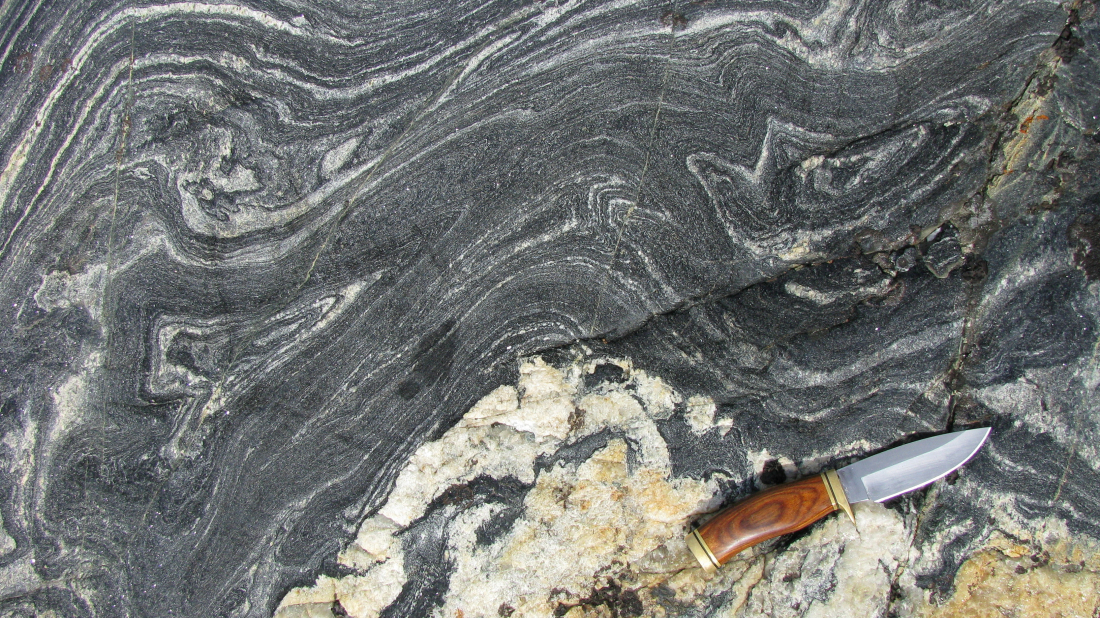
A belt of volcanic rock in northeastern Quebec has been dated to 4.16 billion years ago, making it the oldest known rock on Earth and offering rare insight into the planet’s mysterious infancy.
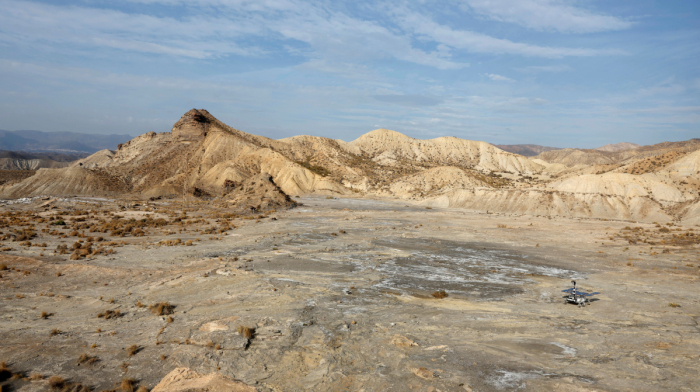
On the eastern shore of Hudson Bay, near the Inuit municipality of Inukjuak in Canada’s Quebec province, lies the Nuvvuagittuq Greenstone Belt — a stretch of volcanic rock that researchers now say contains the oldest-known rocks on Earth. A new study published in Science confirms that these rocks date to 4.16 billion years ago, deep within Earth’s Hadean eon.
The discovery was led by Jonathan O’Neil, a geology professor at the University of Ottawa. Using two separate radiometric dating methods based on the decay of samarium and neodymium, researchers were able to reach the same conclusion about the age of the rock samples. The consistent results bolster the claim that the Nuvvuagittuq rocks represent the most ancient remnants of Earth’s crust.
The rocks examined are "intrusions," formed when molten magma pushed into existing rock layers and cooled underground. These intrusions are encased within even older volcanic rocks, which researchers now believe could be up to 4.3 billion years old. Most of the belt consists of metamorphosed basaltic rocks, altered over time by extreme heat and pressure.
Previously, the oldest known rocks were found in Canada’s Northwest Territories and dated to about 4.03 billion years. Meanwhile, tiny zircon crystals from western Australia, although not rocks, have been dated to 4.4 billion years, suggesting that a solid crust may have existed earlier than previously thought.
The Hadean eon, named after the Greek god of the underworld Hades, spanned from Earth’s formation 4.5 billion years ago to around 4.03 billion years ago. The period was once thought to have been marked entirely by molten conditions, but the presence of solid crust and oceans inferred from these rock samples challenges that narrative.
"The Earth was certainly not a big ball of molten lava during the entire Hadean eon," said O’Neil. "By nearly 4.4 billion years ago, a rocky crust already existed, likely mostly basaltic and covered with shallow and warmer oceans."
O’Neil added that the presence of atmospheric and oceanic conditions could have provided a setting for the earliest forms of life. Some of the Nuvvuagittuq rocks appear to have formed when rainwater cooled molten surfaces, and others may have precipitated from ancient seawater, offering clues about the chemistry and temperature of Earth’s first oceans.
While the age of the Nuvvuagittuq rocks had previously been contested — with estimates ranging between 3.3 and 4.3 billion years — this latest study provides a more definitive picture. The researchers suggest the discrepancy in older findings could stem from testing methods that were more susceptible to the effects of later thermal events.
O’Neil believes further analysis could unlock more secrets from this window into Earth’s distant past: "They offer a unique opportunity to better understand how the first crust formed and what geodynamic processes were at play on the early Earth."

















What is your opinion on this topic?
Leave the first comment