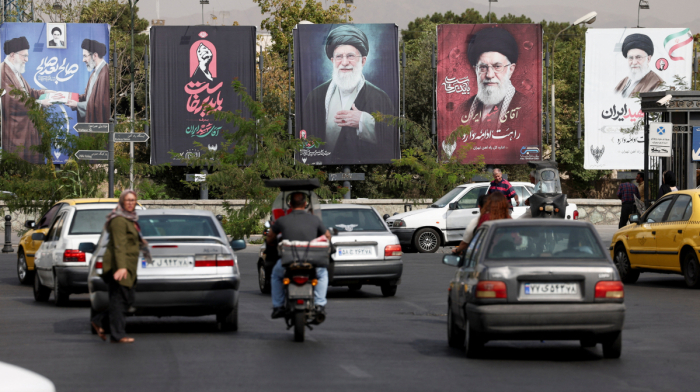
Iran's Supreme Leader Mojtaba Khamenei warns 'foreigners' as Iran enters new phase in Gulf
Iran’s Supreme Leader Mojtaba Khamenei warned “foreigners who commit evil” have no place in the Gulf, outlining a “new phas...
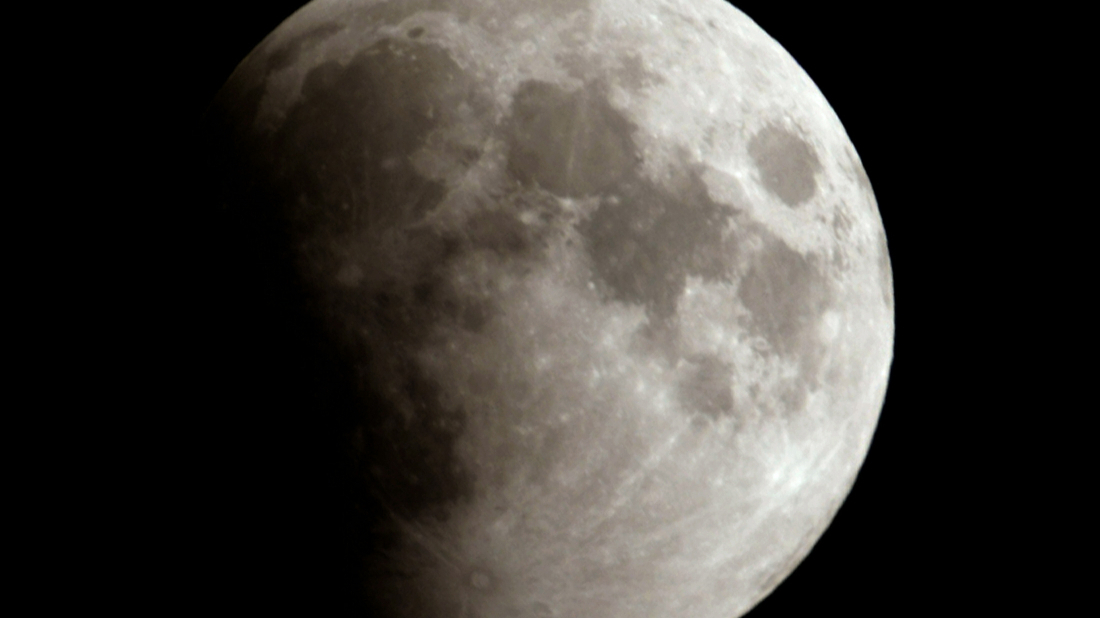
China and Russia have announced plans to build an automated nuclear power station on the Moon by 2035 as part of the International Lunar Research Station (ILRS) project.
The reactor will supply energy for long-term scientific exploration and potential human missions near the Moon’s south pole.
A memorandum of cooperation between the China National Space Administration (CNSA) and Russia’s Roscosmoswas signed this week, laying the groundwork for the ambitious project. The ILRS is viewed as a competitor to NASA’s Artemis Program, which aims to launch a lunar orbiting station, Gateway, starting in 2027 with the support of over 50 countries.
The ILRS plans to establish a research base within 100 kilometers of the lunar south pole, featuring autonomous operations and the potential for short-term crewed missions. According to Roscosmos, the station will support fundamental research and test technologies for future long-duration space exploration.
First proposed in 2017, the ILRS includes participation from over a dozen countries, including Azerbaijan, Pakistan, Belarus, Venezuela, South Africa, Egypt, and Kazakhstan, among others. China has also launched its "555 Project," inviting 50 countries, 500 institutions, and 5,000 researchers to collaborate on lunar research through the ILRS.
While the project's scientific goals are at the forefront, the Moon’s untapped resources—such as metal oxides, rare Earth elements, and helium-3—also present significant economic and strategic interest. However, legal debates continue over the rights to own or exploit lunar resources under current international space law.

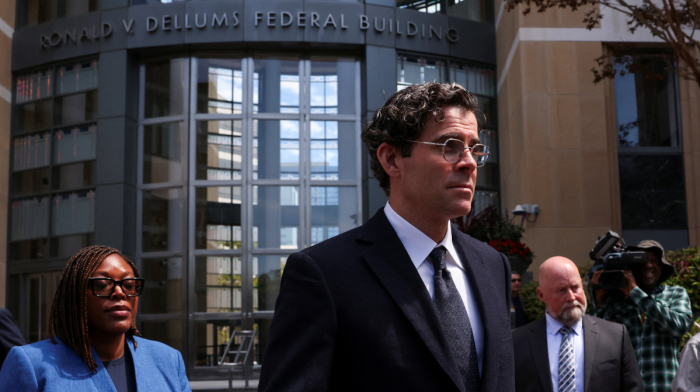
A report published by Minval Politika has raised new questions over alleged efforts by Luis Moreno Ocampo to shape international pressure against Azerbaijan and influence political dynamics around Armenia.
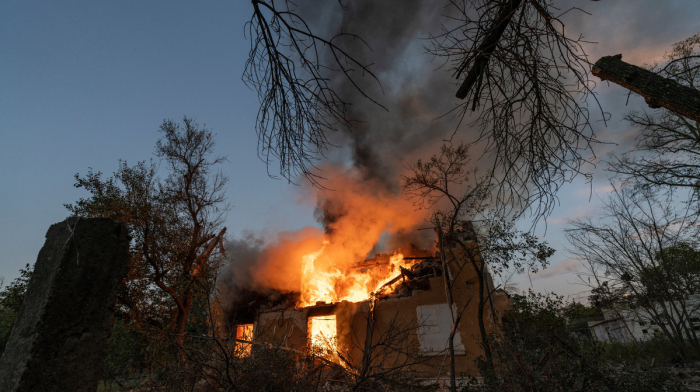
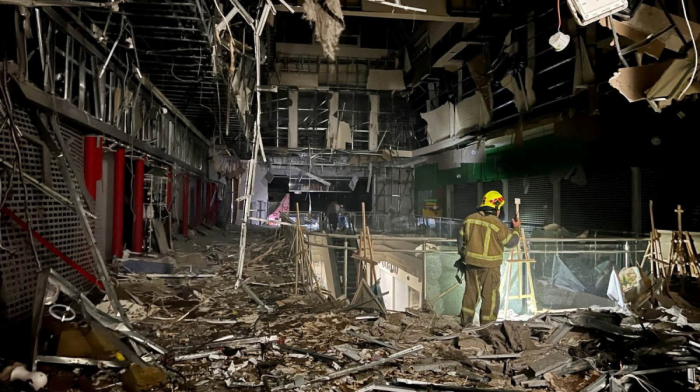
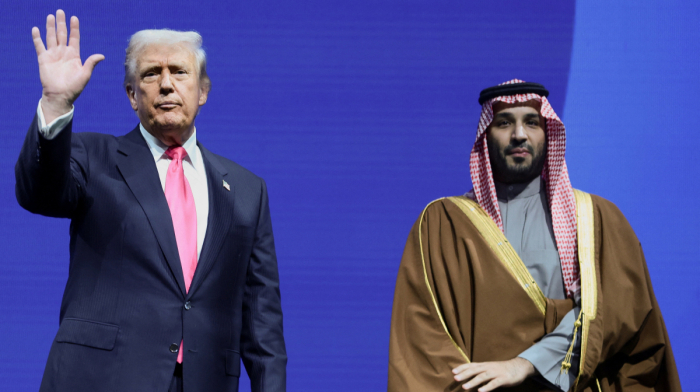
A Pentagon official provided the first official estimate of the cost of the U.S. war in Iran on Wednesday (29 April), telling lawmakers that $25 billion had so far been spent on the conflict, most of it on munitions. Earlier, Donald Trump said that the U.S. had "militarily defeated" Tehran.
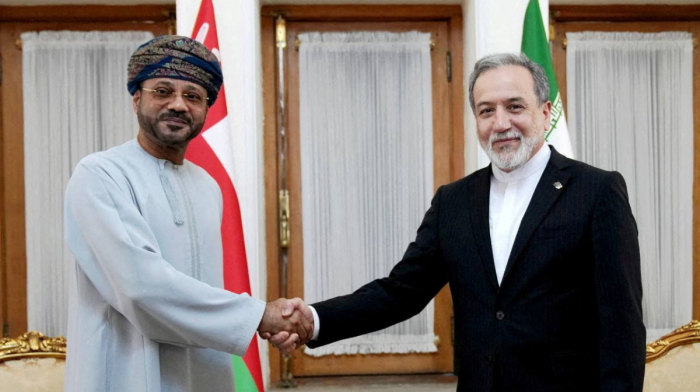
Iran’s Supreme Leader Mojtaba Khamenei warned “foreigners who commit evil” have no place in the Gulf, outlining a “new phase” for the Strait of Hormuz, while a senior adviser said U.S. blockade efforts would fail and could trigger confrontation.
Shares in Meta Platforms fell sharply in extended trading on Wednesday after the tech giant raised its annual capital spending forecast by billions of dollars.
The decision by the United Arab Emirates to leave OPEC+ on 1 May has put renewed focus on one of the most influential groups in global energy - and how its decisions can shape oil prices worldwide.
China has passed a new law aimed at ensuring its most vulnerable citizens are not left without support.
China has warned the U.S. that Taiwan will dominate next month’s summit in Beijing, raising pressure on Washington and concern in Taipei over any shift in long-standing American policy.
Shares in Meta Platforms fell sharply in extended trading on Wednesday after the tech giant raised its annual capital spending forecast by billions of dollars.
From Thursday, 1 May, goods from every African country with diplomatic ties to China will be able to enter the Chinese market without paying import duties.
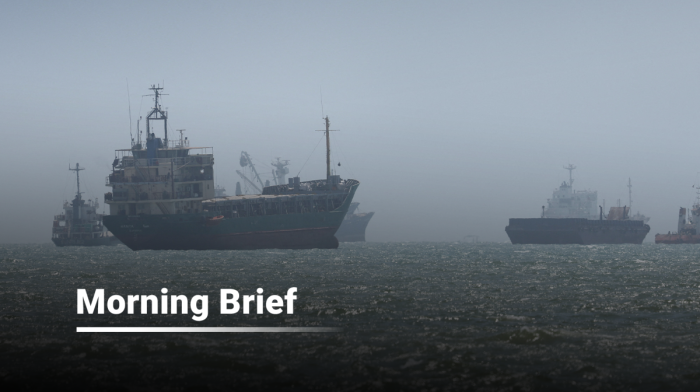
Start your day informed with the AnewZ Morning Brief. Here are the top stories for the 30th of April, covering the latest developments you need to know.
You can download the AnewZ application from Play Store and the App Store.
What is your opinion on this topic?
Leave the first comment