Why are Gen Z protesters taking to Germany's streets?
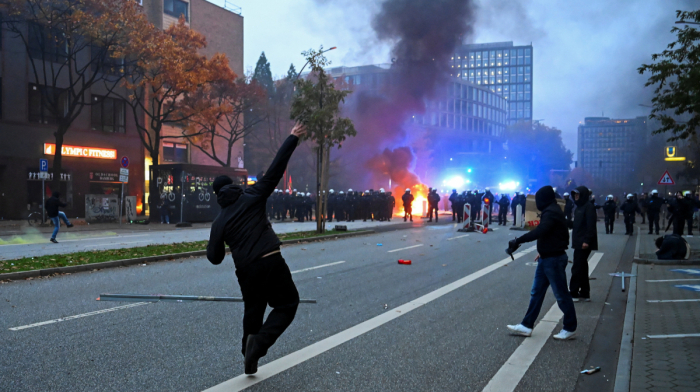
Gen Z protests swept 34 German cities on Saturday (31 October) over education, living costs and military service proposals. Violence erupted in Fra...
The French Socialist Party which holds a swing position in the hung parliament has threatened to trigger a no-confidence motion on Monday.
They insist the minority government must commit to “fiscal justice” which includes a new tax on the super-rich.
The so-called “Zucman tax” entails a 2-percent annual levy on fortunes above €100 million.
Socialist Party leader Olivier Faure warns that if the tax is not in the 2026 State budget, his party will vote against the government.
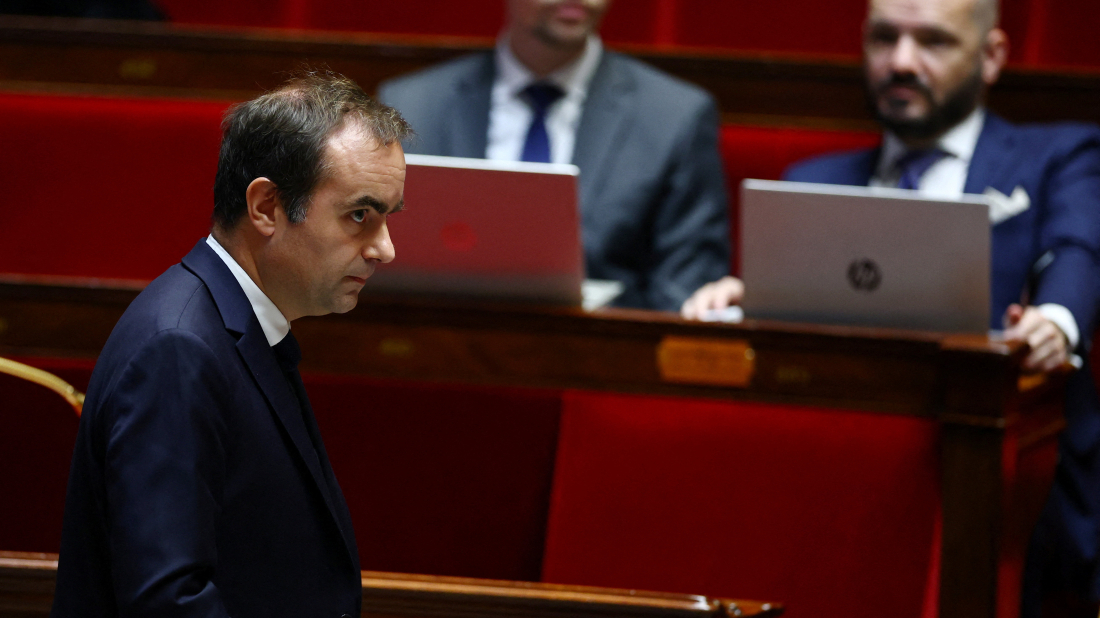
Speaking at the National Assembly in Paris, Prime Minister Sebastien Lecornu acknowledged that the budget presented by the government is imperfect but he asked members to "not compromise the future of the country.”
He promised to cut the deficit by point-four percent year-over-year from the current 5.4, and said it “must return to below 5-percent next year."
He also pointed to a bill combatting tax and social security fraud so the State can “recover money from those who commit fraud or abuse."
For military spending, Lecornu proposed hiking the budget by 6.7 billion euros to “guarantee peace for ourselves and our continent”
Since last year’s legislative election produced a fractured assembly, President Emmanuel Macron’s administration survived through manoeuvres and concessions—lacking a stable base.
The Socialists’ threat to topple the government proves how fragile today’s French executive arm is.
While the party’s proposed tax on billionaires could help the French economy, Macron’s centrist coalition worries about the economic implications of scaring off high-net-worth individuals and investment.
Many high-profile billionaires have already threatened to leave France if the Zucman tax becomes a reality.
This may seem like an internal French drama, but the implications extend beyond the country’s borders.
A government collapse or a deeply weakened one, would undermine France’s ability to lead EU initiatives, from defence to climate to economic reform.
As for Investor confidence & markets, the country already faces pressure with its credit rating.
The examination of the revenue portion of the budget starts today in the National Assembly chamber.
The U.S. has approved the sale of 500 Patriot PAC-3 missiles to Ukraine in a deal worth an estimated $2.1 billion, but Kyiv could face years of delays before receiving the weapons it urgently needs to defend against intensifying Russian attacks.
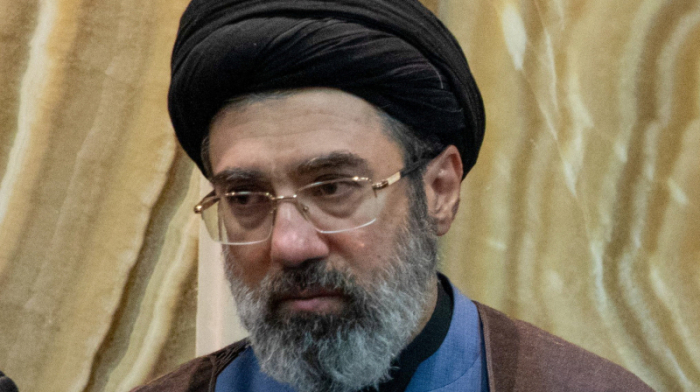
Iranian Supreme Leader Ayatollah Khamenei has ordered Iran's armed forces to respond to any threat immediately and without geographical limits in statements posted to social media platforms on Saturday (31 October).
Demonstrators carrying Iranian flags and placards supporting the hijab gathered outside the Azerbaijani Embassy in London.
A Chinese-made AI chip has matched Nvidia’s H200 in tests conducted by its developer, marking a potential breakthrough in China’s efforts to reduce its dependence on foreign technology.
A hacking group linked to North Korea is widely believed to be behind the theft of $6.3 billion from cryptocurrency giant Binance, a cyberattack that experts describe as the largest cryptocurrency heist on record.
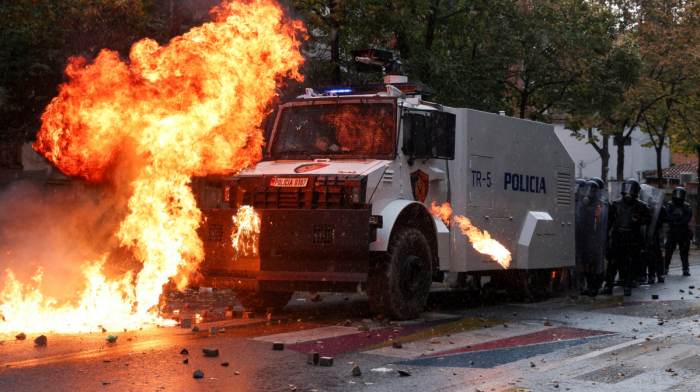
Gen Z protests swept 34 German cities on Saturday (31 October) over education, living costs and military service proposals. Violence erupted in Frankfurt, where shops were looted and police reported Molotov cocktail attacks.
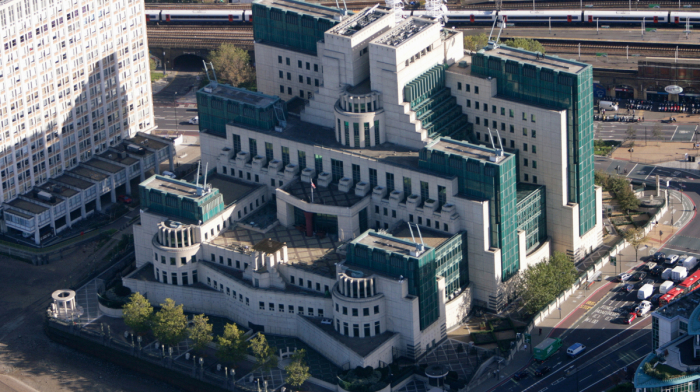
Iran designated Britain's Royal Navy and Royal Air Force as terrorist organisations on Sunday, (1 November), and classified the country's foreign intelligence agency, MI6, as a hostile group, according to a statement from the Iranian Foreign Ministry.
Thousands protested in Albania's capital, Tirana, on Saturday (31 October), demanding Prime Minister Edi Rama's resignation over perceived corruption allegations and dissatisfaction with the government over a lack of jobs and poor education standards.
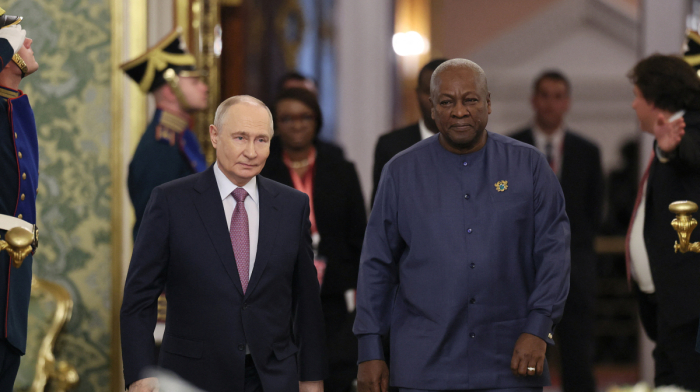
Russia has agreed to work with Ghana on developing a 2,000-megawatt nuclear power plant following talks at the Russia-Africa Summit in Moscow, Ghanaian Foreign Minister Samuel Okudzeto Ablakwa said on Saturday.
Foreign ministers from the U.S., Japan, Australia and India raised concerns over export restrictions and economic coercion at a Quad meeting in Atlanta, U.S., on Saturday, 31 October 2026, according to their joint statement.
You can download the AnewZ application from Play Store and the App Store.
What is your opinion on this topic?
Leave the first comment