Azerbaijan offers gas and reconstruction support to Ukraine
Azerbaijan and Ukraine are seeking to deepen cooperation in energy, reconstruction and trade, with Baku signalling its readiness to supply natural gas...
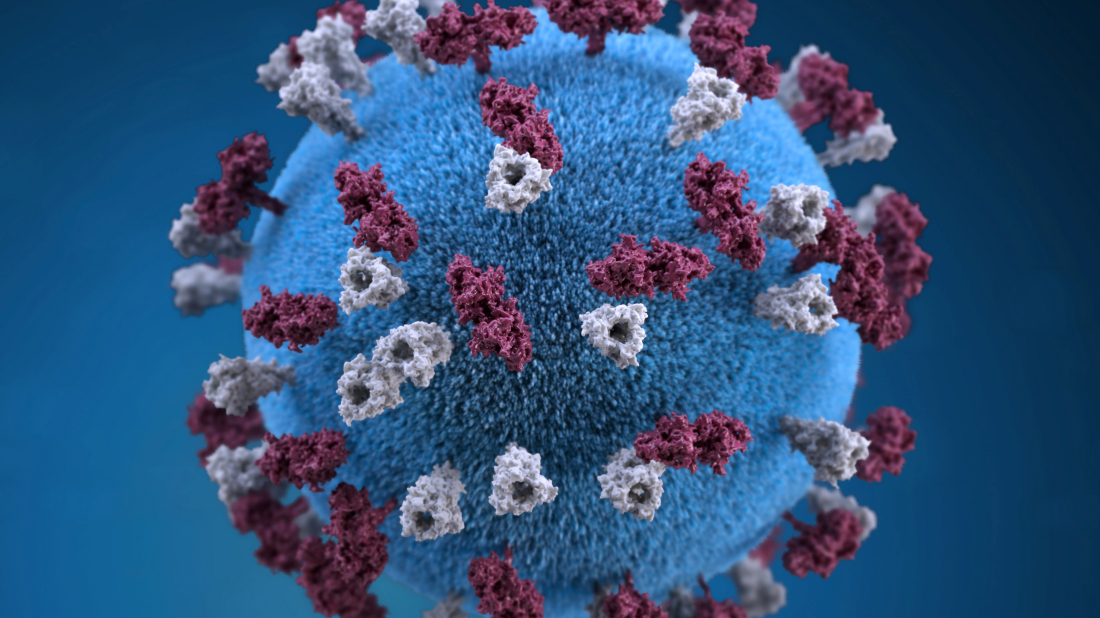
he Trump administration has replaced the Covid.gov website, once a central hub for COVID-19 resources, with a new platform focusing on the lab leak theory regarding the virus's origins.
The revamped website now redirects users to a White House page supporting the idea that the coronavirus likely emerged from a laboratory in Wuhan, China.
Previously, Covid.gov offered crucial information on vaccines, testing, and long COVID support, but it now highlights a December report from the Republican-led House Select Subcommittee on the Coronavirus Pandemic, which suggests that the pandemic may have started due to a “laboratory or research-related accident.”
White House spokesperson Kaelan Dorr explained the change, stating that it reflects the Trump administration’s commitment to transparency. He emphasized, “In contrast to the previous administration, we WILL be the most transparent administration in US history.”
This shift comes amid significant cuts to COVID-19-related funding, including an $11.4 billion reduction by the Centers for Disease Control and Prevention (CDC) and the cancellation of various research grants by the National Institutes of Health (NIH), including a $577 million project aimed at developing oral antiviral drugs. The move has sparked further debate about the administration’s priorities in handling ongoing public health challenges.

Start your day informed with AnewZ Morning Brief. Here are the top news stories for the 5th of August, covering the latest developments.
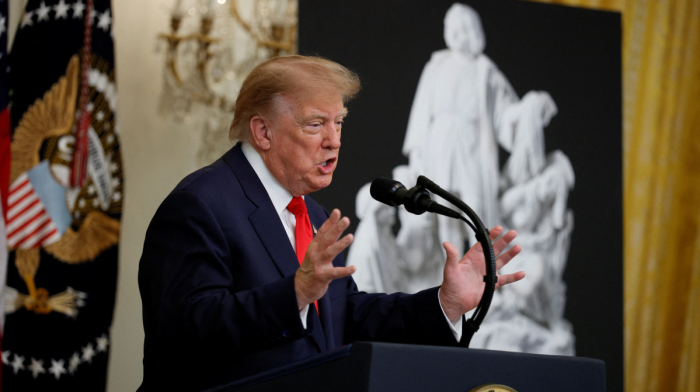
U.S. President Donald Trump said there was an "all-day negotiation" on Tuesday with Iran, characterising the talks positively while also threatening to hit Iran "really hard" if a deal was not reached.
Shipping traffic through the Strait of Hormuz and the Bab el-Mandeb Strait, two key maritime chokepoints in the region, decreased significantly from the previous day, according to shipping data.
Start your day informed with AnewZ Morning Brief. Here are the top news stories for the 6th of August, covering the latest developments.
Kazakhstan’s main oil export corridor was disrupted by drone strikes near Russia’s Black Sea coast in July, forcing a temporary suspension of crude loadings and raising fresh concerns over the vulnerability of regional energy infrastructure to the war in Ukraine.
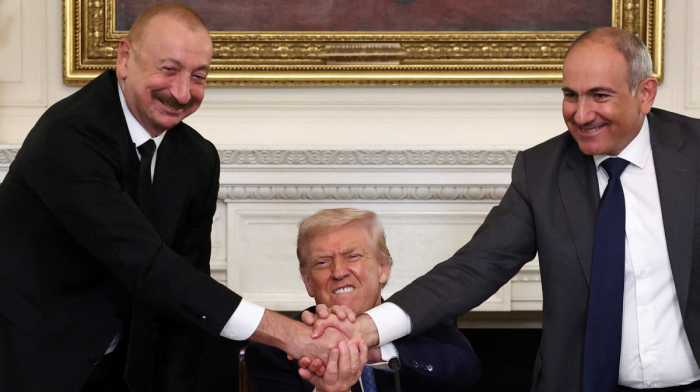
Azerbaijan and Ukraine are seeking to deepen cooperation in energy, reconstruction and trade, with Baku signalling its readiness to supply natural gas to Ukraine and expand its role in rebuilding projects following high-level talks in Kyiv.
The UK government announced a new package of sanctions on Thursday (6 August) aimed at disrupting Russia's financial sector and oil exports, expanding pressure on Moscow more than four years after its full-scale invasion of Ukraine.
Ukraine’s National Security and Defense Council (NSDC) has approved Kyiv’s Resilience Plan for the autumn-winter season, aimed at strengthening the capital’s ability to withstand continued Russian attacks and ensuring the uninterrupted operation of critical services.
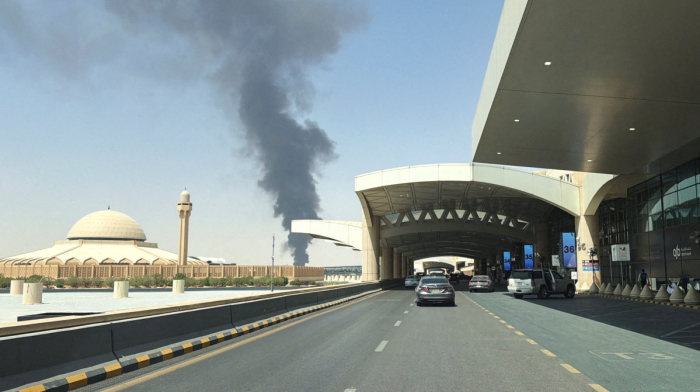
Extreme heat and historically low river levels are forcing nuclear power plants across southeast Europe to reduce output, increasing pressure on already strained electricity supplies and prompting governments to urge lower power consumption.
A powerful El Niño weather event could push nearly 49 million more people into acute food insecurity across some of the world's most vulnerable regions by the end of 2027, the UN's World Food Programme (WFP) has warned.
You can download the AnewZ application from Play Store and the App Store.
What is your opinion on this topic?
Leave the first comment