live Tanker struck by unknown projectile off Saudi Arabia
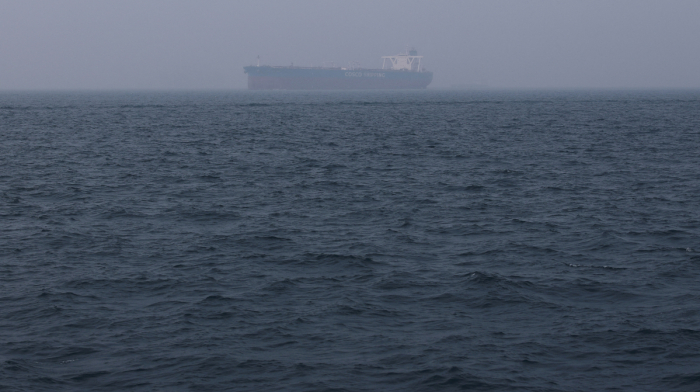
An unknown projectile struck a tanker 68 nautical miles northeast of Saudi Arabia on Friday according to a report released by the United Kingdom Ma...
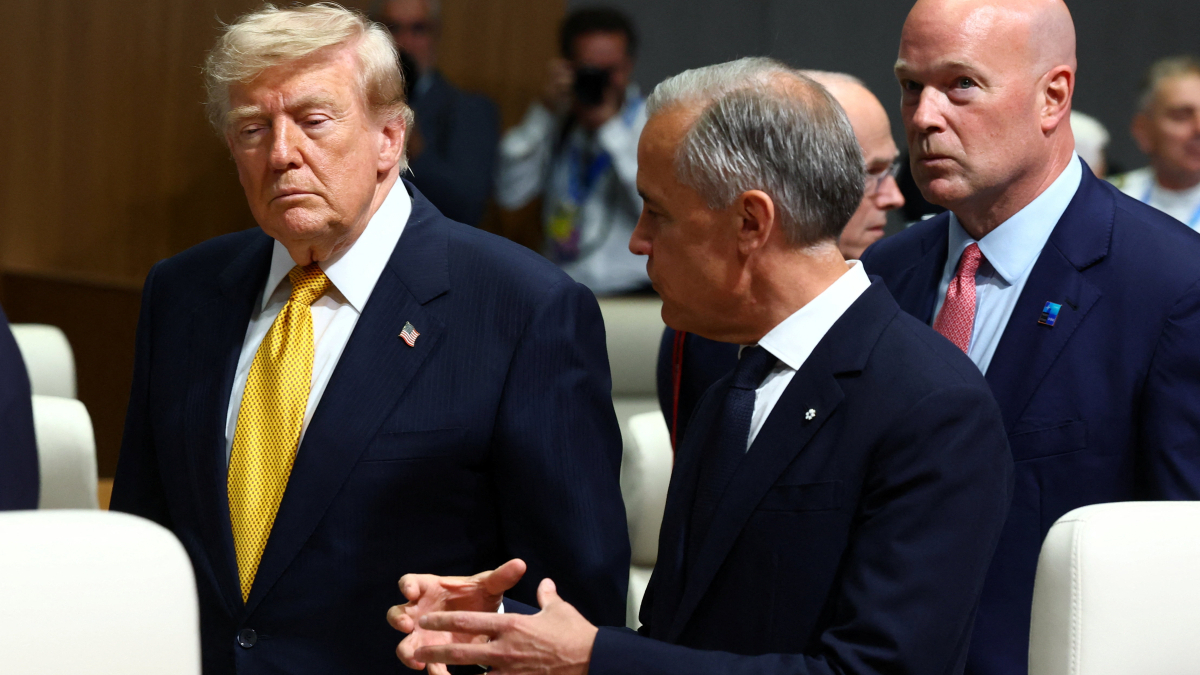
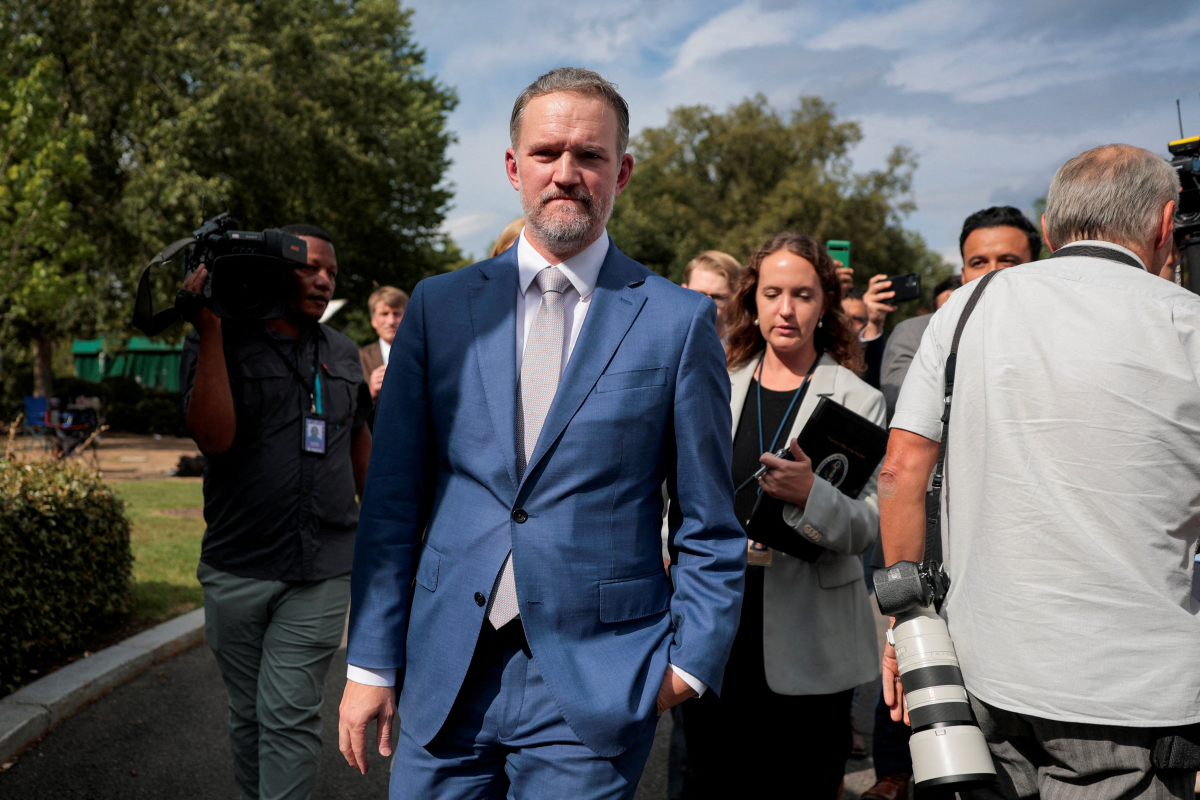
The administration of U.S. President Donald Trump is comfortable maintaining its trade standoff with Canada despite new import bans taking effect next week U.S. Trade Representative Jamieson Greer said on Friday.
His comments to CNBC suggest Washington sees little need to compromise despite a dispute that has strained relations between the longtime allies, prompted retaliatory measures on both sides of the border and raised questions over the future of the U.S.-Mexico-Canada trade agreement.
The incoming U.S. import bans will cover a range of Canadian products, including alcoholic drinks, motorcycles and dairy goods. The planned increase in tariffs to 50 per cent in January could have significant consequences for North American car production.
Canada introduced its own retaliatory tariffs on U.S. goods earlier this month. They followed U.S. tariffs of 50 per cent on about $20 billion worth of Canadian goods imposed last month after several rounds of negotiations broke down.
“We’re still getting what we need from them in terms of oil, gas, potash, all of these things. We’re shipping agricultural products back and forth across the border, so there’s still a lot of strong trade between the two countries,” Greer told CNBC.
“We’re comfortable with where we are,” he said, adding that the two sides continued to have discussions about possible deals but that there was “no urgency” on the U.S. side.
The Canadian Embassy in Washington did not immediately respond to a request for comment.
The breakdown in negotiations has widened a rift between the neighbouring countries, with both sides blaming each other for the failure of the talks.
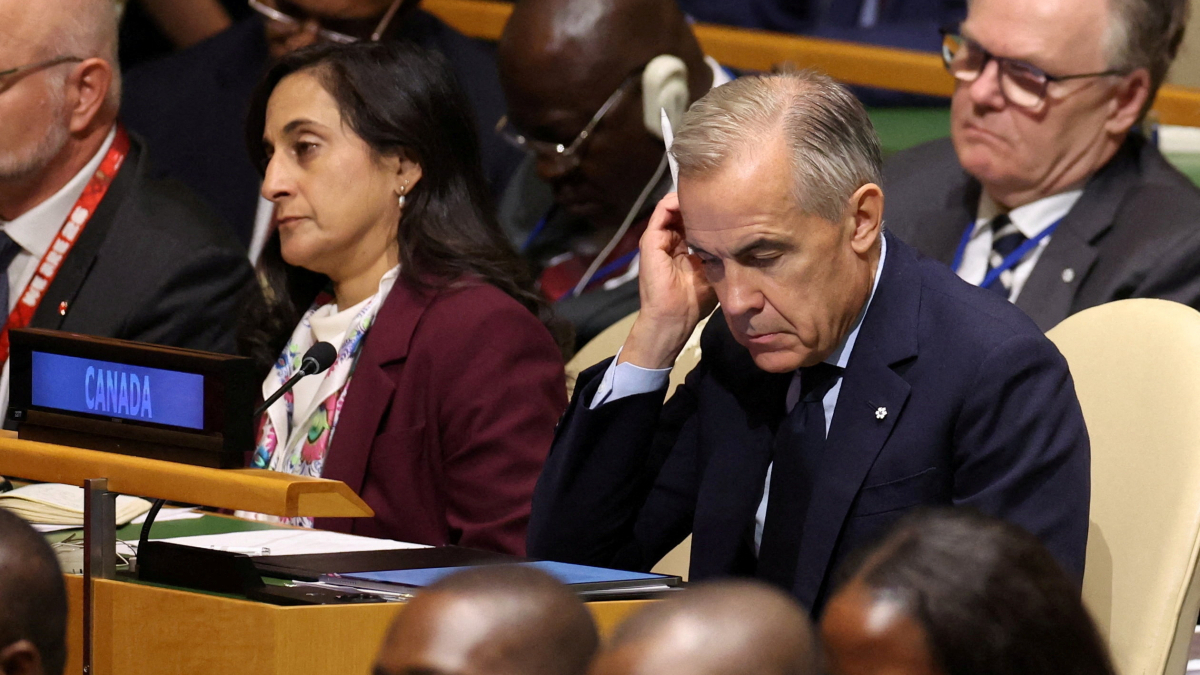
Canadian Prime Minister Mark Carney has urged the country to further diversify its trade away from its biggest trading partner, while the dispute has also raised doubts over the future of the U.S.-Mexico-Canada Agreement.
Some experts believe the Trump administration may seek to reach an agreement with Mexico first, potentially giving Washington greater leverage in negotiations with Canada.
The next round of talks with Mexico could take place in October, Mexican officials said this week.
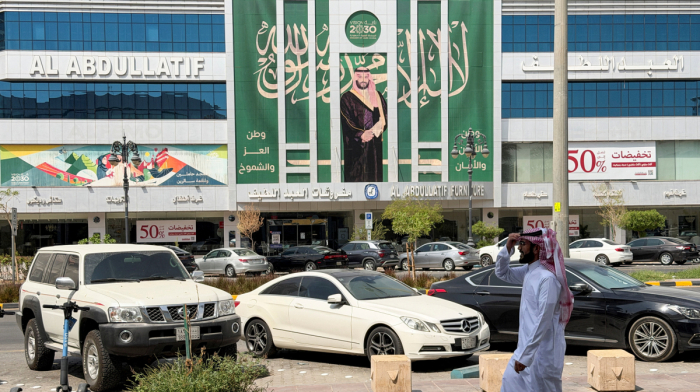
The U.S. has banned government employees working in Saudi Arabia from using airports in the country without special authorisation. It comes after a deadly Houthi strike on Riyadh's King Khalid International Airport killed at least 13 people last week.
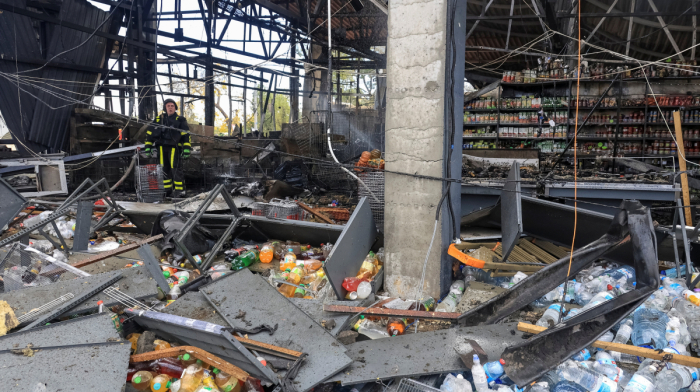
U.S. President Donald Trump has called it “a disgrace” that Ukraine has resumed attacks on Russian oil refineries. Attacks are continuing from Russia and Ukraine as media reports say Ukraine has almost run out of Patriot interceptor missiles.
An unknown projectile struck a tanker 68 nautical miles northeast of Saudi Arabia on Friday according to a report released by the United Kingdom Maritime Trade Operations (UKMTO) on Saturday.
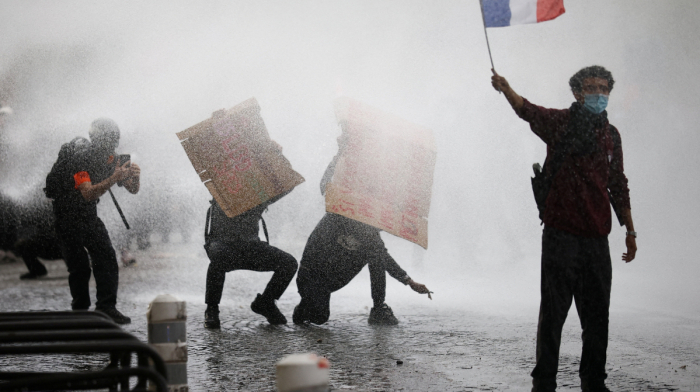
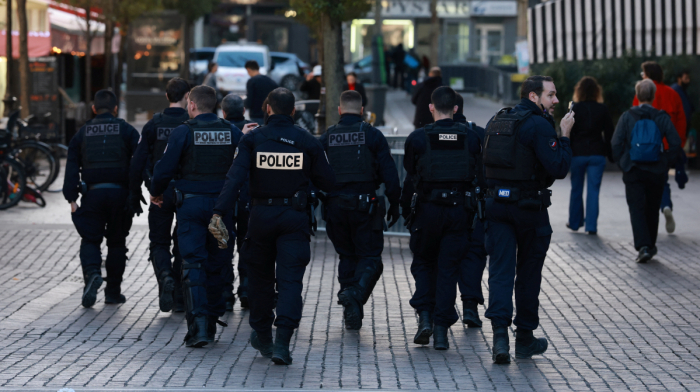
France is preparing for a fresh wave of nationwide demonstrations this weekend as rising living costs, education concerns and growing political tensions converge into one of the most significant protest movements seen in the country in recent years.
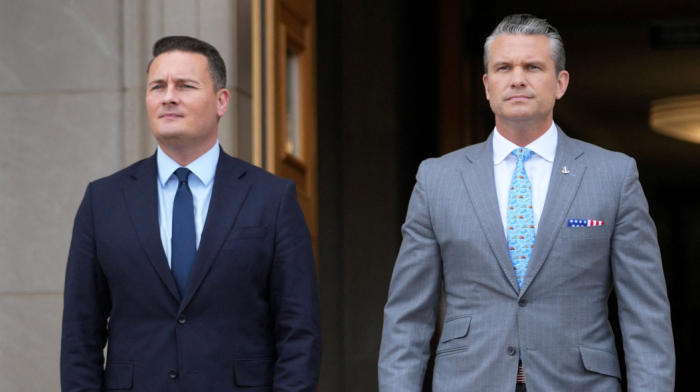
British Defence Secretary Wes Streeting has called for closer cooperation between the United Kingdom and the United States, arguing that the transatlantic partnership remains essential to addressing modern security challenges and maintaining stability across Europe.
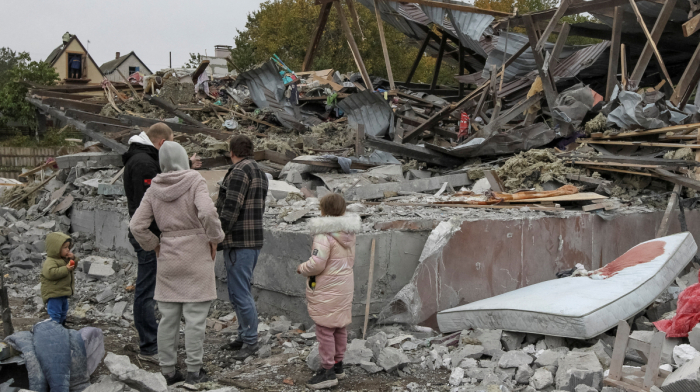
Russian strikes on Ukraine’s energy and water systems, combined with damaged homes and rising living costs, could force more people to flee this winter, the International Organization for Migration (IOM) warned on Friday, as its response plan for the country remains less than 7 per cent funded.
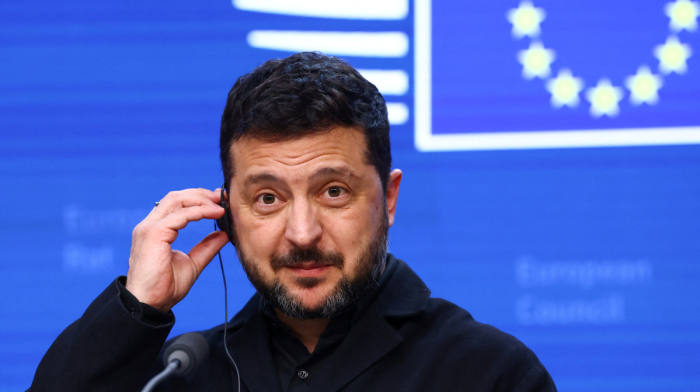
Ukrainian President Volodymyr Zelenskyy said on Saturday that a potential meeting between Ukraine, the United States and Russia could take place during the G20 summit in Miami in December, although neither Washington nor Moscow has confirmed the talks.
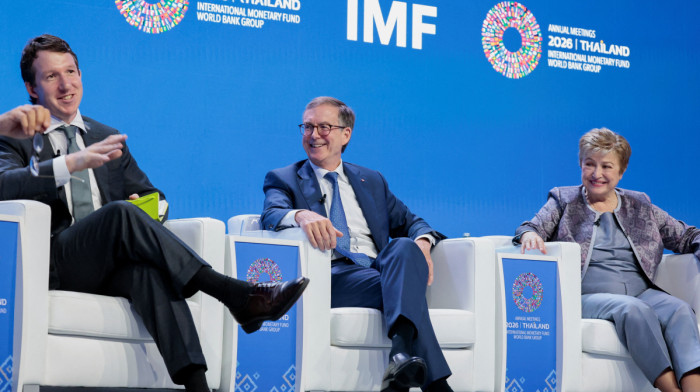
Nearly half of delegates walked out of an International Monetary Fund meeting in Bangkok on Saturday as Russian Finance Minister Anton Siluanov addressed the group, exposing deep divisions over Moscow’s war in Ukraine.
Nationwide protests are set to begin in France on Saturday with students, trade unionists and remnants of the Yellow Vest movement expected to demonstrate against rising living costs amongst others.
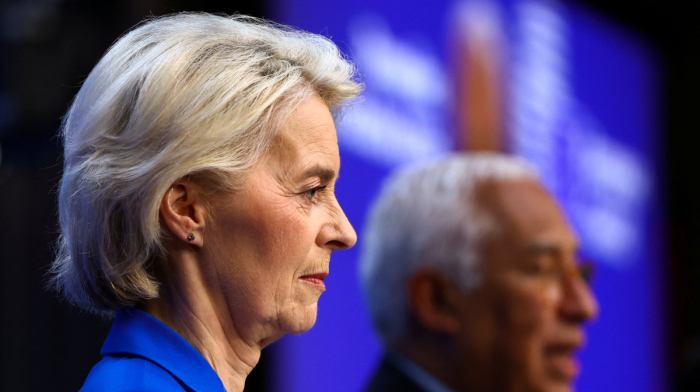
European Union leaders wrapped up a summit in Brussels with agreement emerging on several key issues, including support for the automotive industry, trade tensions with China and financing for Ukraine.
You can download the AnewZ application from Play Store and the App Store.
What is your opinion on this topic?
Leave the first comment