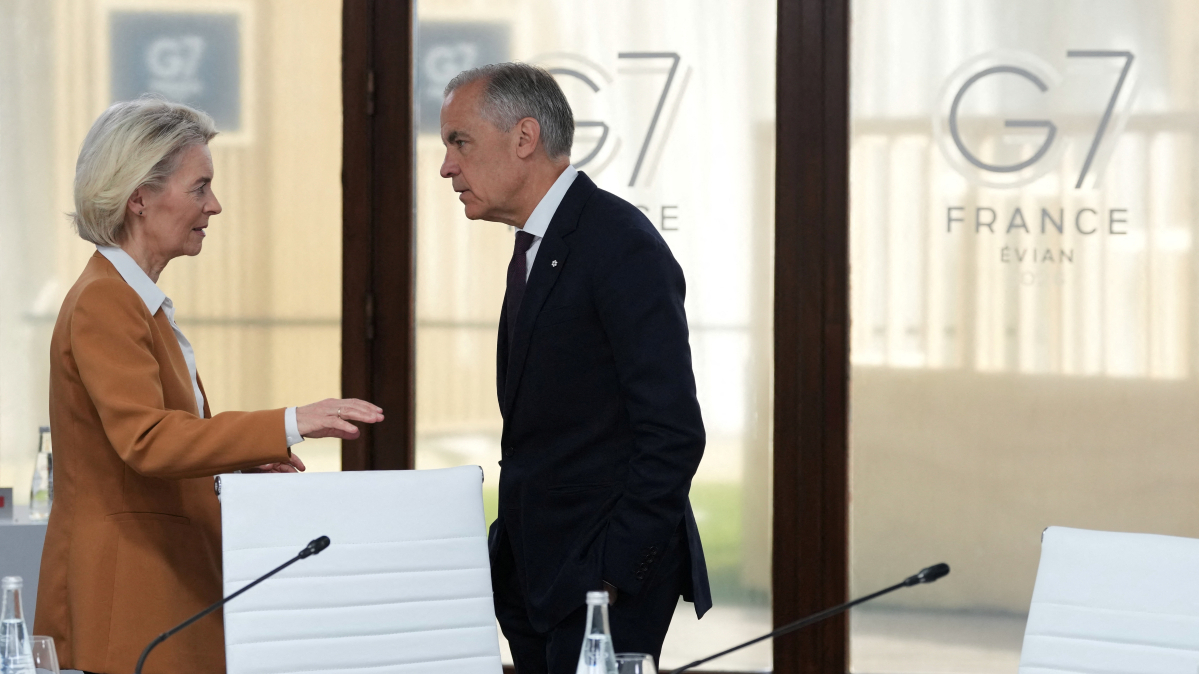
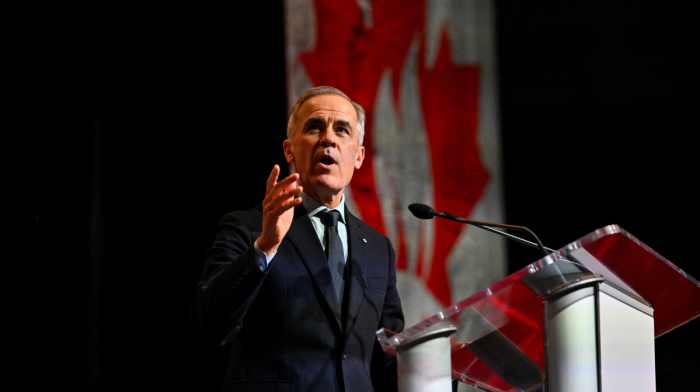
Canada is exploring a new and potentially unprecedented relationship with the European Union as Prime Minister Mark Carney looks to strengthen economic and strategic ties with Europe amid ongoing tensions with the United States.
According to a report by The Wall Street Journal, Ottawa is examining whether Canada could become an “associate member” of the European Union, a status that does not currently exist but is reportedly being discussed by Canadian and EU officials. The proposal would represent one of the most ambitious efforts yet to deepen transatlantic cooperation between the two partners.
The discussions come as Canada seeks to diversify its international partnerships following a worsening trade dispute with the United States.
Relations between Ottawa and Washington have deteriorated significantly since U.S. President Donald Trump's return to the White House in 2025, with both countries imposing tariffs on billions of dollars' worth of goods.
A strategic shift towards Europe
For decades, Canada's economy has been heavily dependent on trade with the United States, its largest commercial partner. However, repeated trade disputes have encouraged Canadian policymakers to look for alternative markets and stronger partnerships elsewhere.
Europe has emerged as a natural option.
Canada and the EU already share close political and economic ties through the Comprehensive Economic and Trade Agreement (CETA), which significantly reduced barriers to trade and investment. Yet officials on both sides are now reportedly exploring a relationship that would go much further.
The concept under discussion could allow deeper integration in sectors considered strategically important, including energy, defence, artificial intelligence and critical minerals.
Rather than focusing solely on tariff reductions, the talks reportedly aim to improve the movement of goods, services, workers and technology across the Atlantic.
Cooperation beyond trade
The discussions reach well beyond conventional trade policy.
Canada and the EU are said to be examining joint investments in digital and energy infrastructure, including underwater communications cables, data centres, cloud computing facilities and satellite networks.
Energy cooperation is also expected to feature prominently. Europe has spent recent years seeking to diversify its energy supplies and reduce vulnerabilities in global energy markets. Canada, with its large reserves of oil, gas and critical minerals, could play an increasingly important role in those efforts.
At the same time, cooperation in artificial intelligence and advanced technologies is gaining importance as Western governments seek to strengthen economic resilience and technological competitiveness.
Mobility and labour links
One of the more ambitious ideas reportedly under consideration involves easing mobility between Canada and the European Union.
According to the report, Carney has discussed possibilities for greater labour mobility with European leaders, particularly French President Emmanuel Macron.
The concept could eventually allow Canadians to live and work more freely across EU member states, creating opportunities for workers, students and businesses on both sides.
Such a move would represent a major step beyond existing visa arrangements and would further strengthen people-to-people connections between Canada and Europe.
Carney and Macron are expected to continue discussions during upcoming meetings later this month.
Significant hurdles remain
Despite the growing interest in closer integration, substantial political and legal challenges remain.
The European Union has traditionally maintained strict membership rules and has shown little flexibility towards creating alternative forms of membership. Establishing an associate status specifically for Canada would likely require extensive negotiations and political support across the bloc.
There is also evidence that deeper integration may face resistance within parts of Europe.
The EU-Canada trade agreement itself remains politically sensitive in some member states. More than a decade after negotiations concluded and several years after provisional implementation began, a number of EU countries have yet to fully ratify the agreement.
Those difficulties highlight the complexity of any effort to create a new framework that goes beyond existing trade arrangements.
A changing geopolitical landscape
The discussions reflect broader changes in the global economy and international politics.
Countries around the world are increasingly seeking reliable partners in areas such as supply chains, technology, energy security and critical minerals. For Canada, stronger European ties could reduce economic dependence on the United States. For the EU, a deeper partnership with Canada could strengthen access to resources, talent and strategic technologies.
Whether the associate membership concept ultimately becomes reality remains uncertain. However, the fact that such discussions are taking place illustrates how rapidly global alliances are evolving as governments adapt to shifting geopolitical and economic realities.
Read more:


















What is your opinion on this topic?
Leave the first comment