Canada is heading towards another difficult trade deadline, with Prime Minister Mark Carney trying to prevent new U.S. tariffs that businesses warn could cost jobs and weaken already struggling industries
The duties, due to begin on Wednesday, could reach 50 per cent on almost $20 billion worth of Canadian goods. Wine, furniture, dairy products, clothing, cement and hockey equipment are among the products in line for higher costs.
The measures have also raised the stakes in wider talks over the future of trade between the two neighbours.
Carney keeps talks under wraps
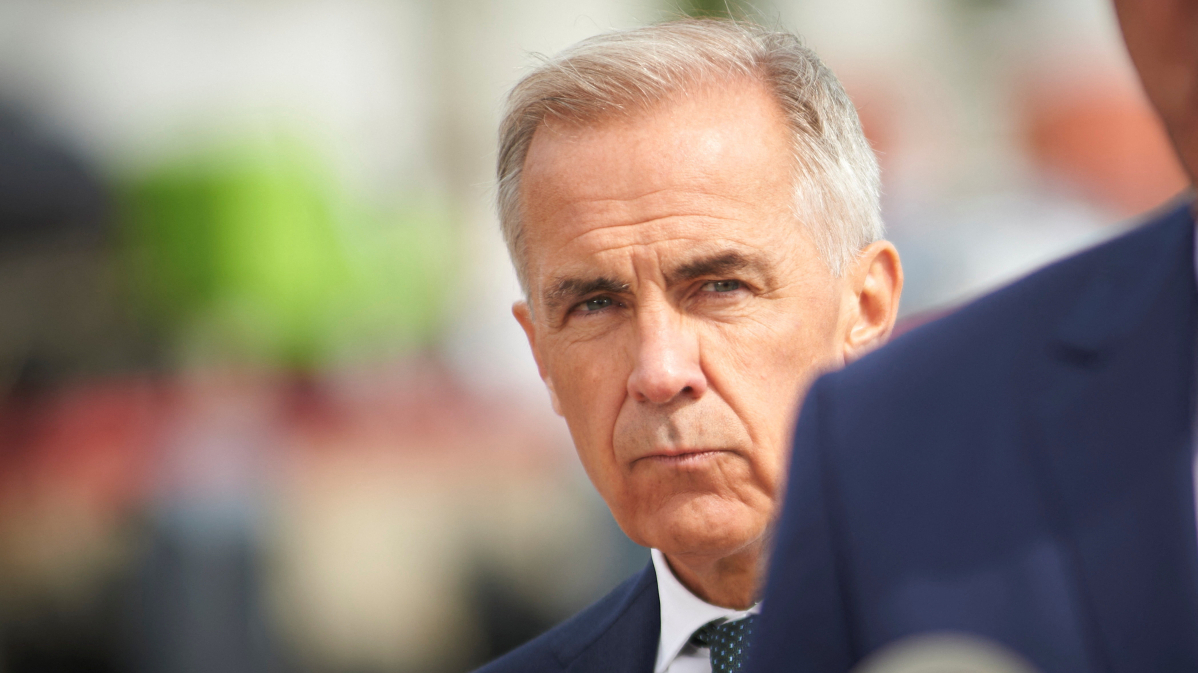
Carney said on Monday that negotiations with Washington were continuing but declined to reveal details, describing them as “intense and delicate”.
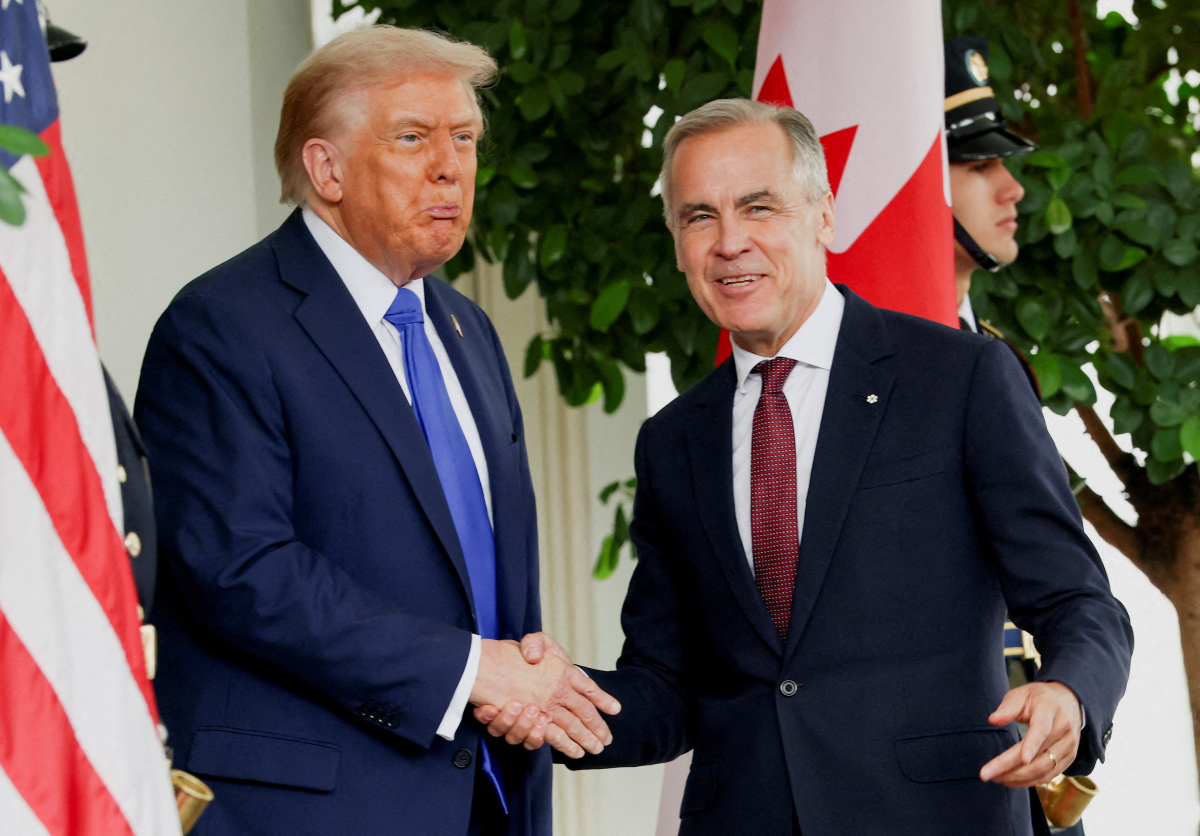
He is expected to speak with U.S. President Donald Trump before the deadline as Canadian trade officials work to narrow the gap between the two sides.
Canada's trade minister Dominic LeBlanc has held several meetings with U.S. Trade Representative Jamieson Greer in recent weeks.
But Ottawa and Washington are far from a draft agreement, according to a source familiar with the discussions.
The two sides are also struggling to resolve differences over the U.S.-Canada-Mexico trade agreement, which has protected much of Canada's trade from U.S. tariffs.
Businesses fear a sharp hit
For Canadian companies that depend heavily on U.S. customers, the prospect of a 50 per cent tariff is alarming.
Alain Ouzilleau, who runs custom kitchen cabinet maker Cabico, said manufacturers could not simply absorb the additional cost.
“A 50 per cent tariff is simply not something that manufacturers can absorb,” he said.
He warned that some Canadian products could become uncompetitive in the U.S. almost overnight.
Small businesses are particularly exposed because many rely on tariff-free access to the American market.
Dan Kelly, president of the Canadian Federation of Independent Business, said the measures could cause “massive dislocation” for firms on both sides of the border.
More than a tariff dispute
The immediate tariffs would cover only a fraction of Canada's exports to the U.S., meaning the wider economic impact may be limited.
But economists say the bigger concern is uncertainty.
The proposed duties would apply even to some goods that qualify for preferential treatment under the existing trade agreement. That could further discourage investment and make it harder for businesses to plan.
Automotive tariffs are another major obstacle in the negotiations, while Washington is also pushing Canada to change its dairy policies and reverse restrictions on U.S. alcohol sales in some provinces.
A warning from history
Trump is using Section 338 of the U.S. Tariff Act of 1930 to impose the new duties. The little-used provision allows the president to levy tariffs of up to 50 per cent on countries deemed to discriminate against American goods.
The law dates back to the Great Depression, when sweeping tariff increases and retaliation contributed to a damaging collapse in global trade.
For Carney, the immediate challenge is to keep negotiations alive while limiting the damage to Canadian businesses.
Read more about U.S. tariffs:

















What is your opinion on this topic?
Leave the first comment