A decade ago, a far-right party winning a major Western European election would have caused a political shock. Today, such results are increasingly becoming part of Europe’s political landscape.
Recent elections across the continent highlight that shift. Germany's Alternative für Deutschland (AfD) won the state election in Saxony-Anhalt on 6 September with 43.8 per cent of the vote, while France's Marine Le Pen has been cleared to stand in the country's next presidential election. In Austria, the Freedom Party (FPÖ) continues to lead opinion polls.
But the change goes beyond election results. Nationalist and populist parties have become an established force in European politics, increasingly shaping government agendas, public debate and policy priorities.
A decade of electoral gains
According to research by the PopuList project, more than 23 per cent of Europeans now vote for far-right parties in national elections. Researchers reported that support stood at roughly 10 per cent a decade ago and about 5 per cent in 1995.
The research, conducted by more than 150 political scientists across 31 countries, points to a sharp long-term rise in support for such parties. However, the project notes that changes in vote shares are approximate, while academics continue to debate how the term “far right” should be applied to different political movements.
The trend has not been uniform.
The Guardian reported that Geert Wilders' Freedom Party (PVV) in the Netherlands lost nearly a third of its parliamentary seats, while Hungarian Prime Minister Viktor Orbán's Fidesz suffered a comprehensive defeat in April.
An analysis of the 2024 European Parliament elections published by The Conversation found a noticeable increase in representation for far-right groups, but stopped short of describing it as a dramatic breakthrough. It estimated that far-right blocs would hold around 170 of the Parliament's 720 seats, or approximately 24 per cent, compared with 165 seats in 2019.
Results differed sharply between countries. Romania's Alliance for the Union of Romanians (AUR) won 14 per cent of the vote, while Italy's Lega fell from more than 34 per cent to below 10 per cent.
The bigger shift: political normalisation
For some analysts, election results are only part of the story.
The Council on Foreign Relations (CFR) argued in October 2024 that a deeper change was taking place in mainstream politics, with policies once considered fringe positions - including broad deportation measures targeting asylum seekers - increasingly entering mainstream political debate.
The CFR contrasted the current political climate with the European Union's response in 2000, when Austria faced sanctions after the FPÖ first joined government. The organisation said a similar reaction would be difficult to imagine today.
That suggests the influence of these parties may extend beyond the number of seats they win, as some of their policy positions increasingly enter wider political debate.
Germany's political landscape shifts
Germany has become one of the clearest examples of Europe's changing political picture.
According to the CFR, the AfD's victory in Thuringia in 2024 marked the first time a far-right party had won a state election in Germany since the Second World War.
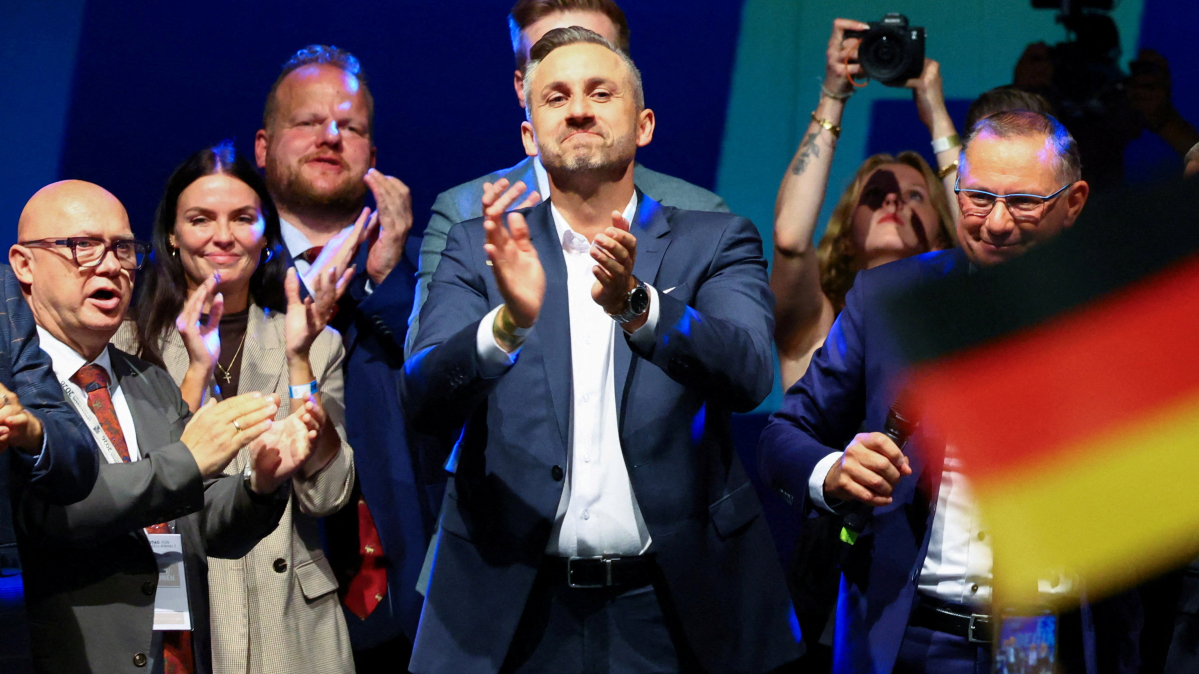
The party built on those gains in Saxony-Anhalt, securing 43.8 per cent of the vote, more than double the 17.2 per cent won by Chancellor Friedrich Merz's Christian Democratic Union (CDU).
Turnout was also striking. Participation rose by more than 17 percentage points to almost 78 per cent, indicating strong voter mobilisation rather than disengagement.
The AfD nevertheless fell short of an outright majority. With 39 seats in the 83-seat legislature, it cannot govern alone, while the major parties have so far maintained their refusal to cooperate with it.
The momentum continued later in September when the AfD won the state election in Mecklenburg-Western Pomerania with 38.2 per cent of the vote, ahead of the Social Democratic Party's 35.5 per cent. In a separate election held the same day, Die Linke emerged as the strongest force in Berlin.
A September national poll put the AfD on 27 per cent, ahead of the CDU/CSU. The Guardian previously reported that the party's support doubled from 10 per cent to 21 per cent between the previous federal election and the 2025 vote.
France looks ahead to 2027
France's National Rally (RN) has expanded its political presence as attention turns to the next presidential election.
During the snap legislative election of 2024, the RN finished first in the opening round but fell to third place in the final seat count after centrist and left-wing candidates withdrew in favour of one another. Brookings Institution analysts described the strategy as a modern version of France's traditional “republican front”.
Despite the outcome, the party's parliamentary representation has risen sharply in recent years.
According to the European Council on Foreign Relations (ECFR), National Rally increased its representation in the National Assembly from eight members in 2017 to 89 in 2022 and 125 in 2024. The organisation also noted that its 30 Members of the European Parliament put its delegation on a par in size with Germany's CDU/CSU.
Attention is now focused on the presidential election scheduled for 2027.
In July, a Paris appeals court upheld Le Pen's embezzlement conviction but reduced her period of ineligibility, leaving her able to stand in the presidential election.
Recent opinion polls have placed Le Pen ahead of several potential rivals in hypothetical second-round contests. Such surveys measure voting intentions at a particular point in time rather than predict an election result. ECFR analyst Célia Belin has also cautioned that French presidential campaigns are often highly unpredictable.
Austria's experience shows limits of isolation
Austria shows how keeping a party out of government does not necessarily erode its electoral support.
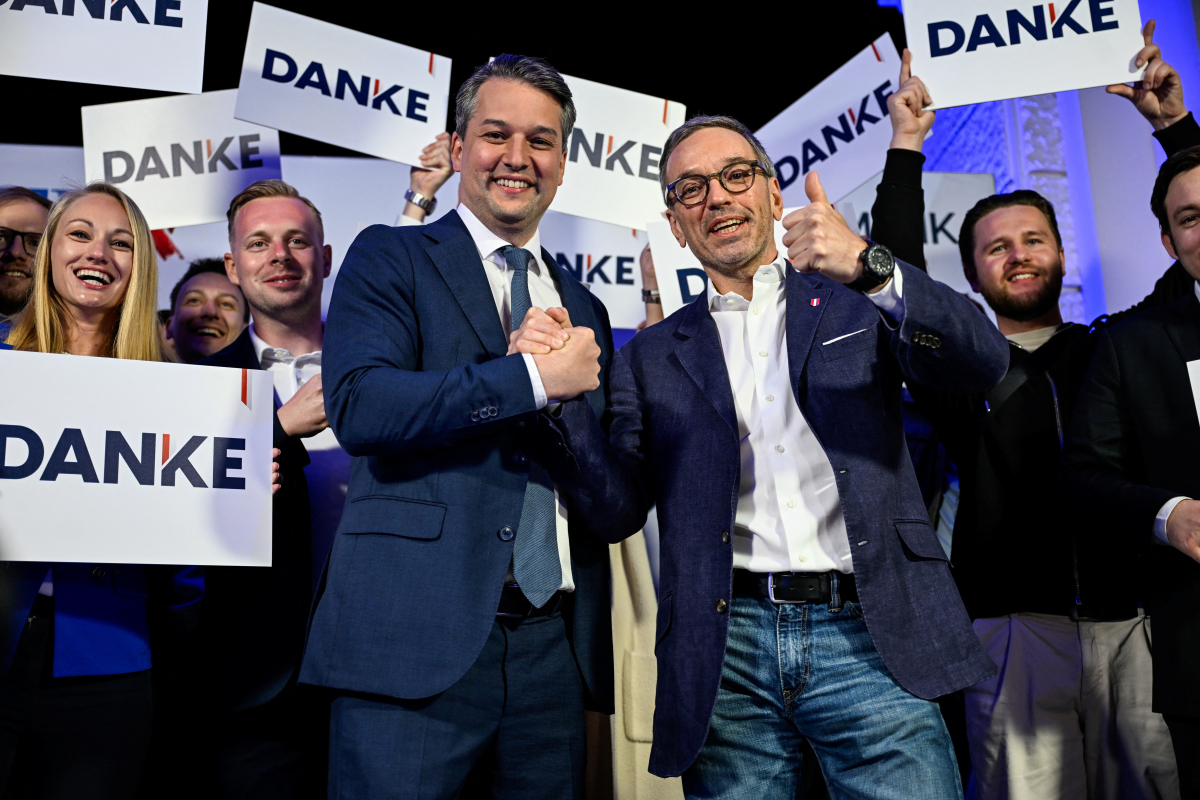
After the FPÖ emerged as the largest party in Austria's 2024 election, leader Herbert Kickl was invited to attempt to form a government after negotiations among centrist parties failed.
Reuters reported that talks between the FPÖ and the conservative Austrian People's Party (ÖVP) collapsed on 12 February 2025.
After a record 151 days without a government, the ÖVP, Social Democrats and liberal NEOS eventually agreed to form Austria's first three-party coalition since the late 1940s.
The FPÖ has nevertheless retained strong polling numbers. September 2026 polling put the party at around 38 per cent, ahead of both the ÖVP and Social Democrats. As with all opinion polling, the figures represent a snapshot of voter intentions rather than an election result.
Italy and Romania offer different paths
Italy presents a different scenario because a party widely classified as part of the European far right already plays a central role in government.
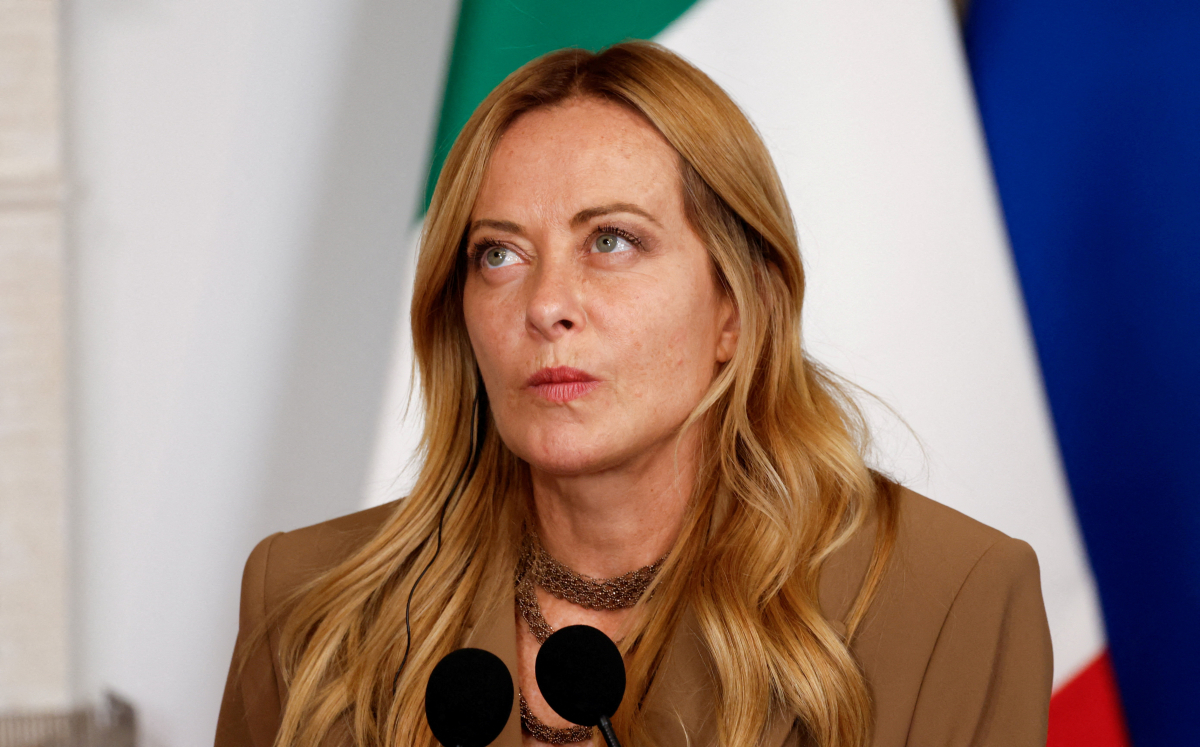
Writing in September 2024, Brookings analyst Carlo Bastasin argued that Prime Minister Giorgia Meloni's proposed constitutional reforms could concentrate power by introducing the direct election of the prime minister and guaranteeing the winning coalition a parliamentary majority.
Bastasin also noted concerns among opposition figures who argue that the proposal encourages what they describe as an “autocracy-light” model of governance. Meloni, by contrast, has presented the reforms as a solution to chronic political instability.
Romania has followed a far more turbulent path.
Political outsider Călin Georgescu unexpectedly won the first round of the presidential election in November 2024. The Constitutional Court later annulled the vote, citing concerns over campaign financing and alleged Russian interference, allegations denied by Moscow.
Reuters reported that Georgescu remained highly popular afterwards, with a January 2025 survey putting him on 38 per cent before he was barred from the rerun election.
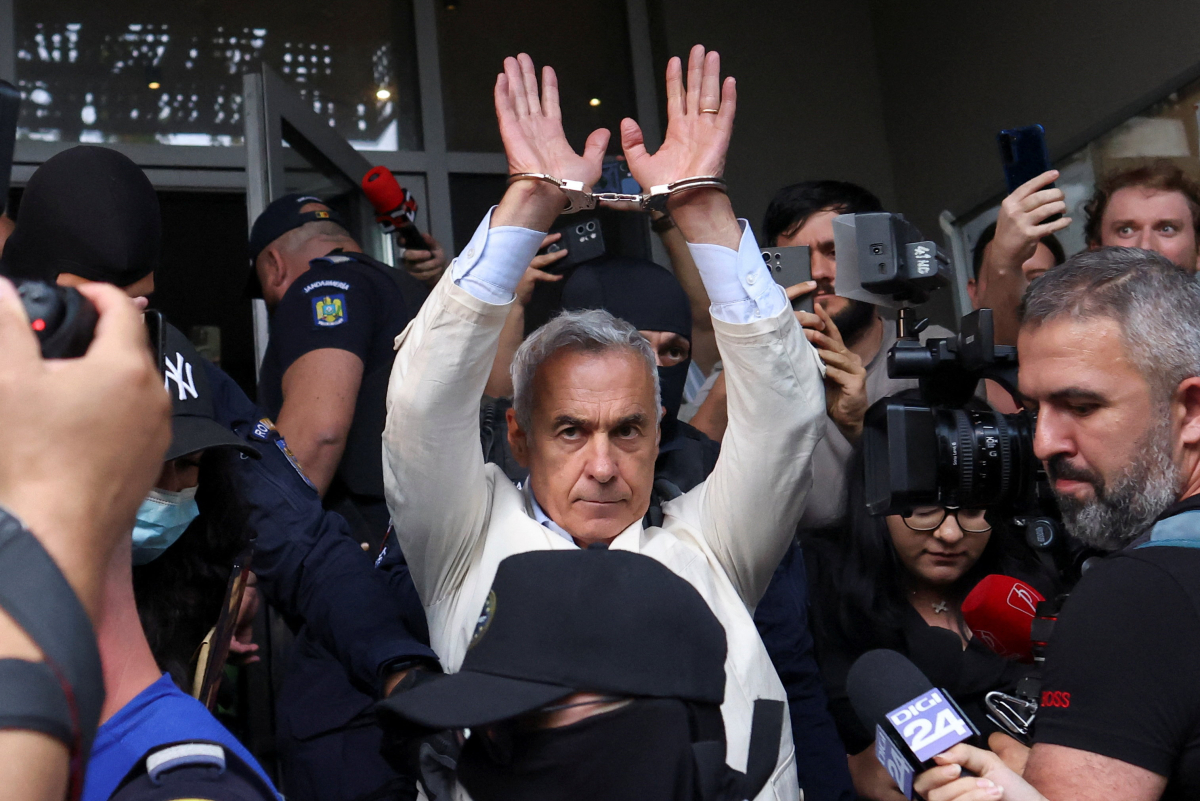
Georgescu was detained and placed under investigation in September 2026 in a case involving alleged aggravated fraud and the formation of an organised criminal group. He has also faced separate legal proceedings over alleged actions against the constitutional order and the promotion of fascist ideology.
His ally, AUR leader George Simion, won the first round of the rerun with 40.96 per cent but was defeated in the decisive second round by Bucharest Mayor Nicușor Dan, who won 53.6 per cent of the vote to Simion's 46.4 per cent.
Despite that result, Sciences Po's CEVIPOF research centre noted that populist and sovereignist groups retained roughly one-third of the seats in Romania's parliament.
Why predictions of decline have fallen short
According to the EPC, participation in government has not consistently damaged support for far-right leaders. Nor, it argued, have internal divisions over defence, trade and foreign policy translated into a clear electoral penalty.
The EPC also argued that European Commission President Ursula von der Leyen's strategy of engaging with some conservative nationalist groups while isolating others had not stopped parties outside that cooperation from making gains.
Instead, analysts have pointed to longer-term pressures including inflation, public distrust of institutions, migration concerns and international economic competition.
There are, however, indications that the upward trend may not continue indefinitely. The EPC noted signs that far-right polling across Europe had broadly stabilised since late 2025, raising the possibility that support could be approaching a plateau.
What comes next?
The political consequences may reach well beyond election results and coalition talks.
The Atlantic Council warned in an October 2024 report that growing representation for nationalist parties could complicate European climate policy. It pointed to parties including the AfD, which has called for Germany to withdraw from international climate agreements.
Whether those positions translate into policy will depend heavily on future elections, parliamentary arithmetic and coalition negotiations.
For now, one of the clearest changes is not simply that Europe's far right continues to win votes. It is that results once treated as political shocks are increasingly becoming part of the continent's electoral landscape.
Read more:
















What is your opinion on this topic?
Leave the first comment