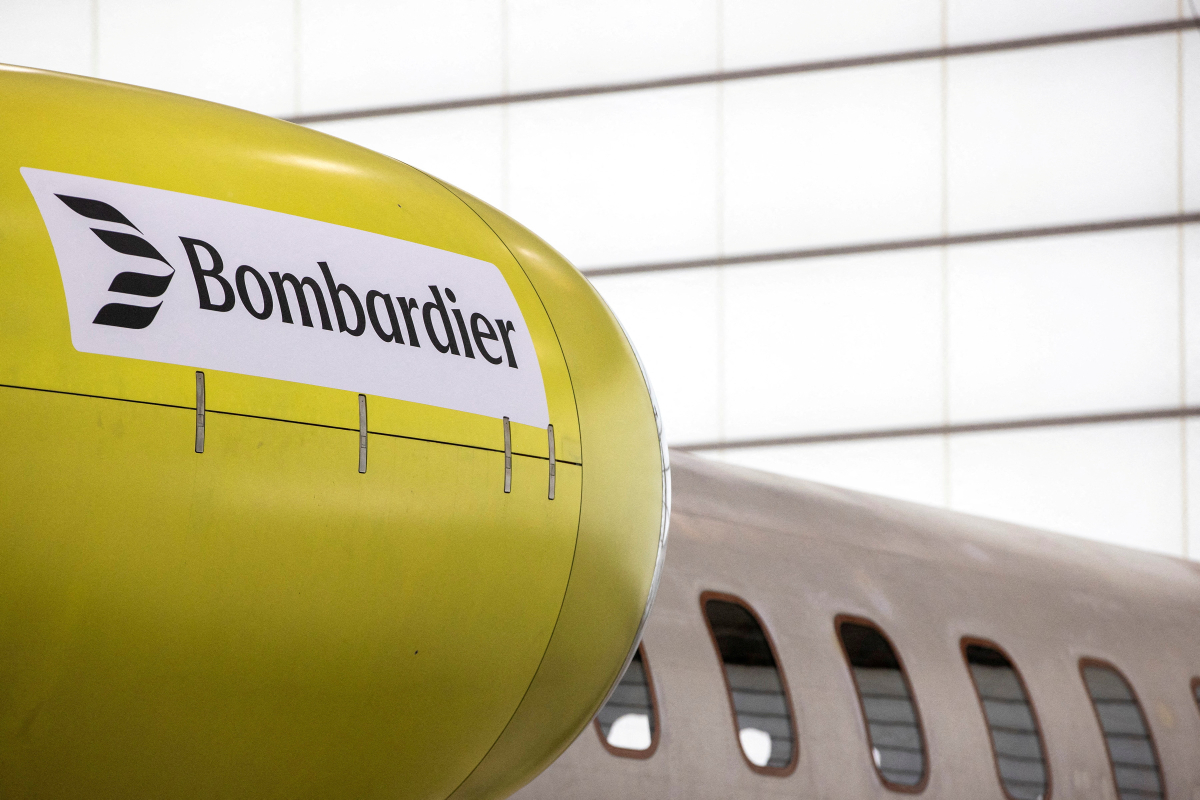
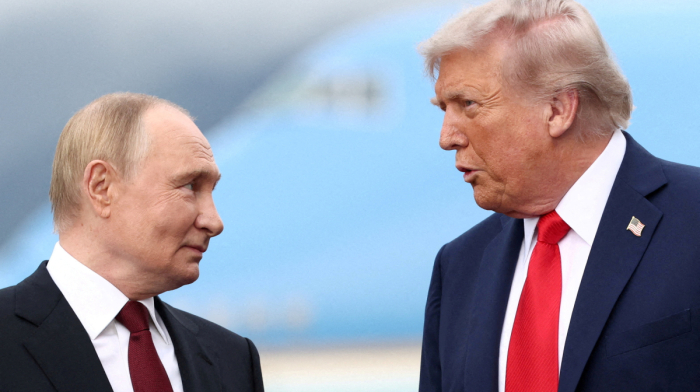
U.S. President Donald Trump has said aircraft produced by Canadian manufacturer Bombardier should no longer be sold in the United States, intensifying a growing trade dispute between Washington and Ottawa.
In a post on his Truth Social platform, Trump argued that Bombardier benefits heavily from the American market while Canada allegedly places obstacles in front of U.S. businesses seeking to operate north of the border.
The president claimed that more than half of Bombardier's revenue comes from the United States and questioned the value of the company's products, declaring that they should no longer be allowed access to the U.S. market.
The remarks represent the latest escalation in a deteriorating trade relationship between the two neighbouring countries.
Trump accused Canada of restricting American businesses, particularly financial institutions, and singled out U.S.-based aircraft manufacturer Gulfstream Aerospace as an example of what he described as unfair treatment.
According to Trump, Canadian policies have limited Gulfstream's ability to conduct business in the country, creating an uneven playing field for American companies.
The president said foreign companies seeking access to the U.S. market should be encouraged to manufacture products in America rather than rely on exports.
Invoking his “America First” agenda, Trump urged consumers to buy American-made products and support U.S. airlines and businesses.
Trade tensions continue to rise
The comments come amid worsening trade relations following the collapse of negotiations between Washington and Ottawa last month.
After the talks broke down, the United States moved to impose 50% tariffs on a range of key Canadian goods, significantly increasing pressure on one of its largest trading partners.
Canadian Prime Minister Mark Carney has responded by promising retaliatory measures, saying Ottawa would implement dollar-for-dollar countermeasures against the U.S.
The prospect of reciprocal tariffs has raised concerns about a broader trade confrontation between the two countries, whose economies are deeply integrated through decades of cross-border commerce.
Bombardier's importance to Canada
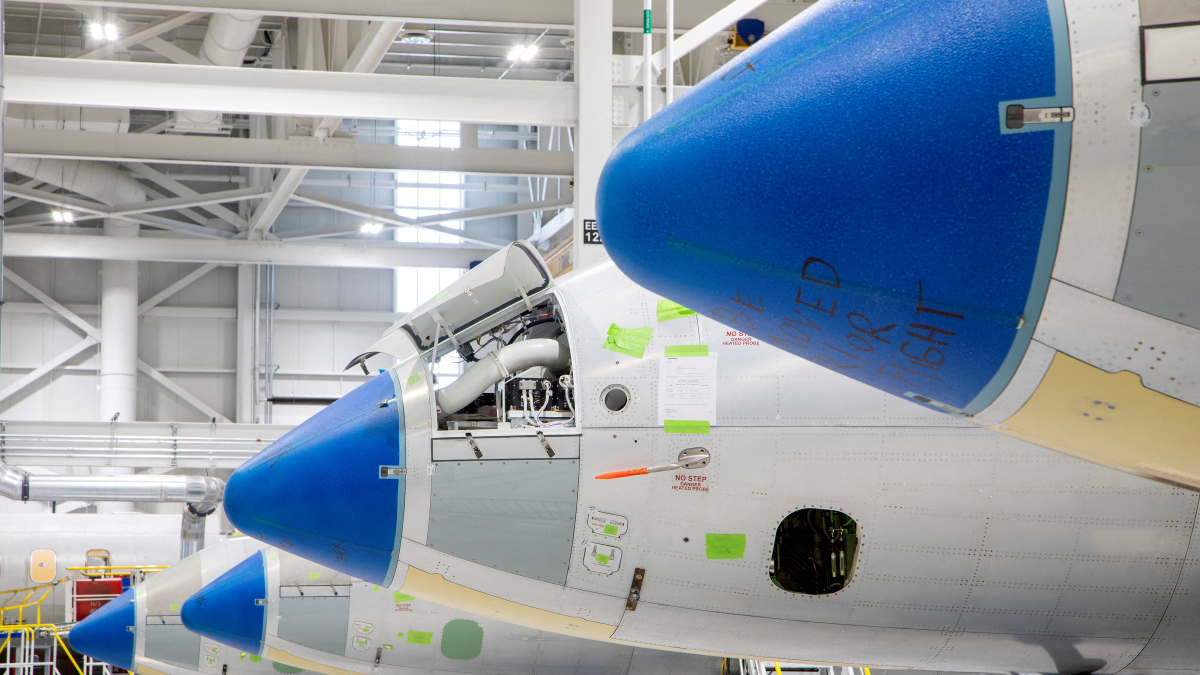
Bombardier is one of Canada's best-known aerospace companies and a major employer within the country's aviation sector.
The manufacturer produces a range of business jets and has built a significant customer base in the United States, which remains one of its largest markets.
Any restrictions on Bombardier aircraft sales in the U.S. could have significant commercial implications for the company and potentially add further strain to trade relations between the two countries.
Neither Bombardier nor Canadian officials immediately responded to Trump's latest comments.
The dispute underscores broader disagreements between Washington and Ottawa over trade access, investment and industrial policy.
While the two countries remain among each other's largest trading partners, recent disagreements over tariffs and market access have increased friction in the relationship.
Trump's latest remarks suggest the administration is prepared to extend its “America First” trade agenda beyond tariffs and into specific sectors and companies, potentially opening a new front in the economic dispute with Canada.
With retaliatory measures expected from Ottawa, the aerospace industry could become the latest battleground in an increasingly contentious U.S.-Canada trade relationship.
Read More:




















What is your opinion on this topic?
Leave the first comment