Canada has rejected a proposed trade agreement with the United States after negotiations broke down over what Ottawa described as a series of last-minute demands that would have disproportionately favoured Washington and undermined Canadian economic interests.
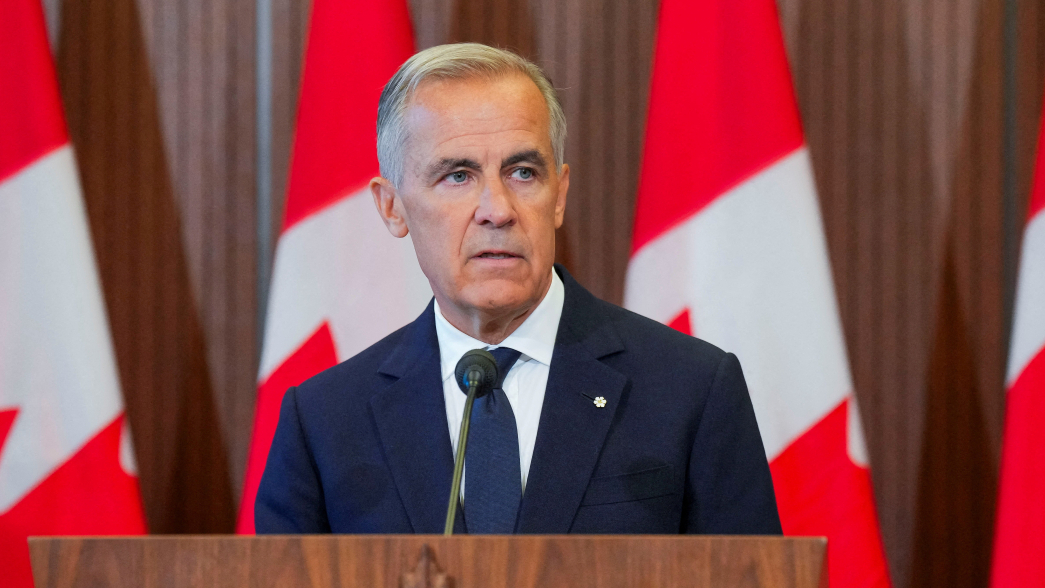
The collapse of the talks marks a fresh escalation in trade tensions between the North American allies, with Prime Minister Mark Carney announcing that Canada will respond by imposing retaliatory tariffs on U.S. goods beginning on 8 September.
Speaking after negotiations were suspended, Carney said the latest American proposals failed to provide a fair basis for a long-term agreement and raised concerns about the reliability of any future deal.
Steel and autos become major sticking points
According to media reports, the final stages of the negotiations were marked by disagreements across several key sectors, including steel, automobiles, agriculture, energy and government procurement.
One of the most contentious issues involved Canada's steel industry. Sources familiar with the talks said Washington sought to limit Canadian steel exports through a quota system while maintaining tariffs on shipments entering the U.S. market. The proposed arrangement would have allowed a fixed volume of imports before significantly higher duties took effect.
The automotive sector also emerged as a major sticking point. U.S. negotiators reportedly wanted tariff exemptions to apply only to content manufactured in the United States, a proposal Canadian officials viewed as inconsistent with the deeply integrated nature of North America's automotive supply chains.
Ottawa was also asked to remove retaliatory measures it had imposed on American steel and vehicle imports, while U.S. officials pushed for the removal of provincial restrictions affecting American alcohol products.
Disputes extend beyond traditional trade issues
Beyond traditional trade issues, the negotiations expanded into areas that some Canadian officials considered domestic policy matters.
American negotiators reportedly sought changes to Canada's dairy licensing system, a long-standing target of U.S. trade complaints and called for an end to provincial "Buy Canadian" procurement policies that give preference to domestic suppliers in certain public contracts.
In Quebec, provincial officials said U.S. representatives also raised concerns about regulations intended to protect the French language, including requirements relating to product information and consumer documentation.
Another major point of disagreement involved the forestry sector. Canada had argued that lumber and forestry issues should be included in any comprehensive agreement, but U.S. negotiators reportedly resisted incorporating the industry into the framework.
Security and economic issues become intertwined
The negotiations also extended beyond trade into strategic and security matters, reflecting a broader effort by both governments to link economic policy with national security considerations.
Issues discussed reportedly included Canada's purchase of F-35 fighter aircraft, participation in the proposed Golden Dome missile defence initiative, cooperation on critical minerals and oversight of energy exports.
The inclusion of such issues underscored how commercial relations between the two countries are increasingly intersecting with broader geopolitical and security concerns.
Both sides trade blame
Following the breakdown of talks, both sides blamed the other for the impasse.
U.S. Trade Representative Jamieson Greer accused Canada of changing its position during the negotiations and disrupting progress toward an agreement.
Carney rejected that characterisation and accused Washington of attempting to use tariffs as leverage against its closest trading partner.
Earlier, he described the new U.S. measures as an attempt to "hurt and divide" Canada and called the strategy a miscalculation.
The dispute also drew a response from U.S. President Donald Trump, who suggested on social media that Canada was seeking the advantages of close economic integration with the United States without making corresponding concessions.
Retaliatory tariffs set to begin
The collapse of the talks leaves the future of bilateral trade relations uncertain at a time when both countries are facing growing economic pressures and supply-chain challenges.
With retaliatory Canadian tariffs scheduled to take effect in September and no new negotiations currently planned, businesses on both sides of the border are bracing for the possibility of a prolonged trade confrontation between two of the world's closest economic partners.


















What is your opinion on this topic?
Leave the first comment