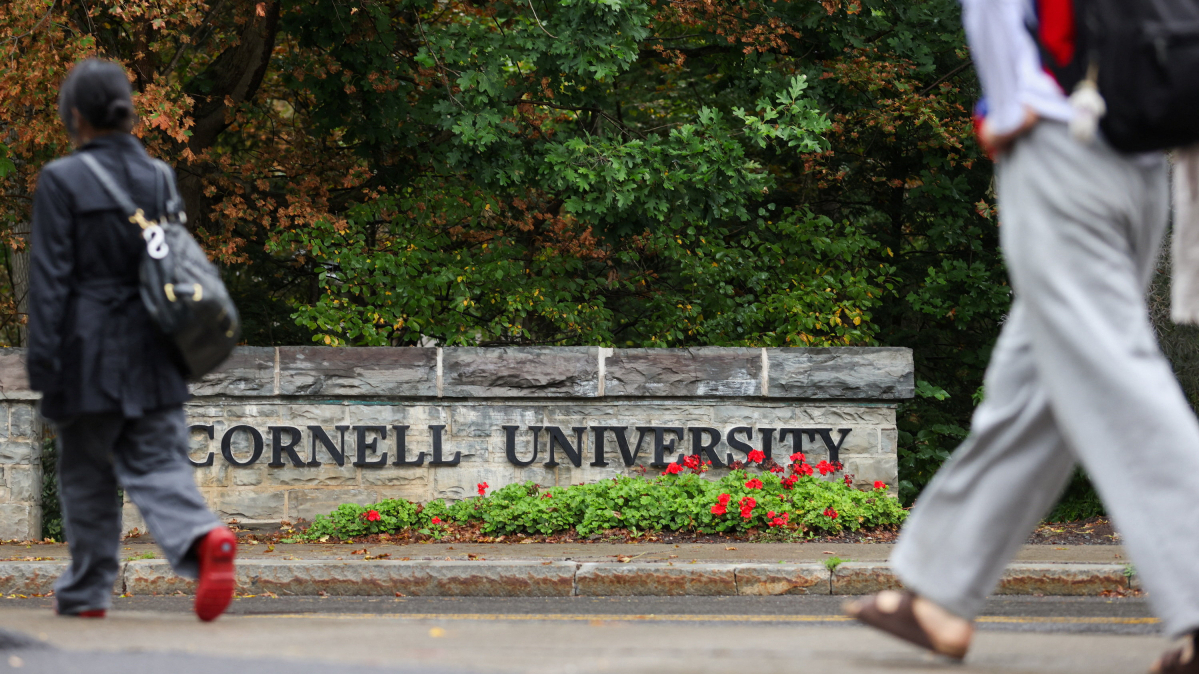
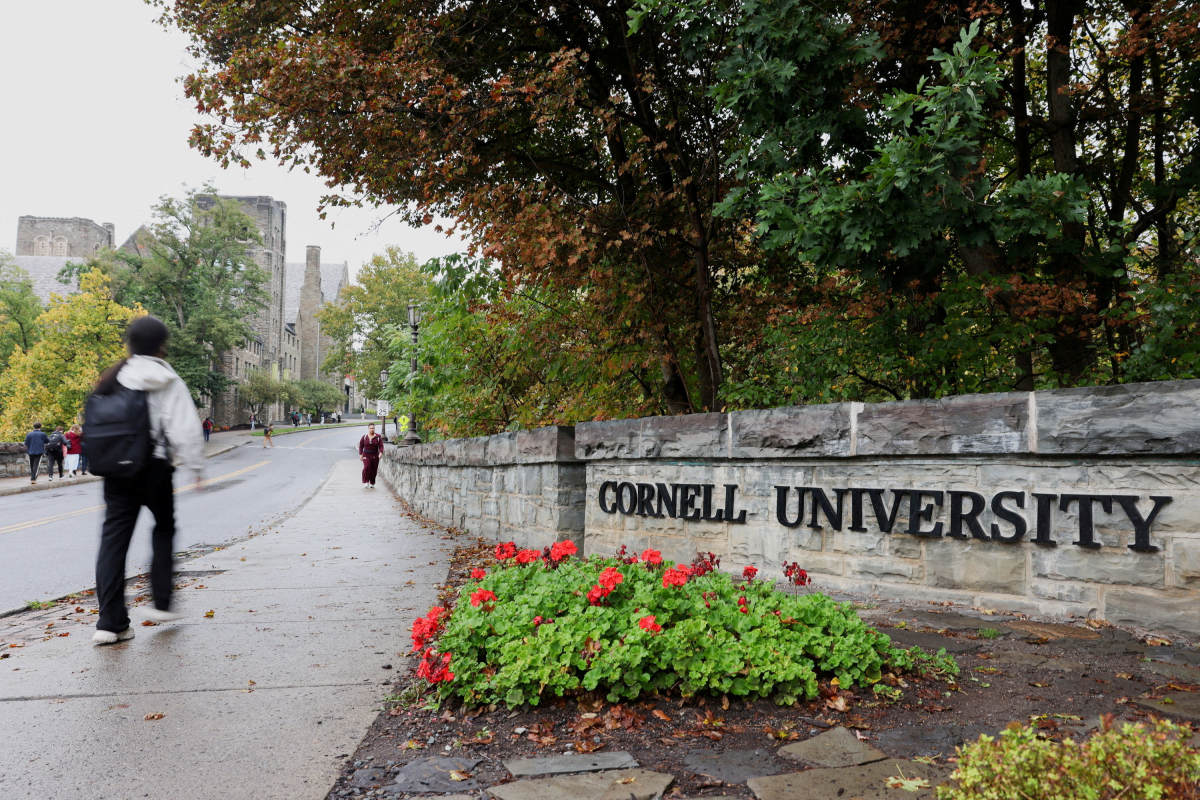
An alleged 2024 rape case involving seven former members of Cornell University’s Chi Phi fraternity has been reopened after the alleged victim, known anonymously as Jane Doe in court documents, filed a civil lawsuit accusing the men of drugging and gang-raping her.
The case has drawn renewed national attention after Doe filed the lawsuit against the seven former fraternity members, Cornell University, Chi Phi and other defendants, on 16 September 2026.
The complaint alleges that the incident took place at the Chi Phi fraternity house in Ithaca, New York on 19 October 2024, when Doe was a Cornell student.
What is the Cornell-7 case?
Jane Doe, who was 20 at the time, alleges that she went to the fraternity house after drinking alcohol and was later pressured into taking ketamine. She says she was subsequently raped by several fraternity members over several hours.
Doe filed a civil lawsuit nearly two years later against the seven former fraternity members, Cornell University, Chi Phi and other parties.
What does Jane Doe allege happened?
According to the lawsuit, Doe went to the fraternity house to visit a friend after drinking earlier in the evening. She alleges that two fraternity members pressured her into taking ketamine before raping her.
The complaint says one of the men then sent a message to a Chi Phi group chat describing the situation and inviting other members to join, allegedly referring to Doe as being available for sex. Doe alleges that additional men subsequently arrived and raped her over several hours.
What happened after?
Doe reported the incident to Cornell University Police in November 2024, around three weeks after the alleged rape.
Cornell subsequently conducted an internal investigation under its disciplinary process. According to the university, the investigation included more than 50 interviews and 12 days of hearings.
Doe's attorney, Thomas Giuffra, claims that, of the seven fraternity members accused, only two were expelled, while others received lesser sanctions including suspensions, workshops or essays.
Why were there no criminal charges?
Tompkins County District Attorney Matthew Van Houten initially decided not to bring criminal charges after reviewing the police investigation. Van Houten said the sworn statement provided to his office did not allege that Doe had been drugged without her knowledge or that she had been unable to consent. He said the statement described her drug and alcohol use and sexual activity as voluntary and conscious.
The decision has since come under scrutiny. Van Houten later acknowledged that he had not seen the full transcript of Doe’s interview with Cornell police, in which she reportedly said she had “100 per cent confidence” that she had been raped.
Doe’s lawyer, Thomas Giuffra, has also criticised the original investigation, arguing that police were given evidence including a fraternity group-chat message but failed to adequately follow up on it.
The seven men have denied the allegations through lawyers in statements to the media.
Why was the case reopened?
The case returned to public attention after Doe filed her civil lawsuit in September 2026. The complaint provided a detailed account of the alleged rape and included evidence that had not previously been widely known.
Van Houten announced that his office was reopening the criminal investigation and preparing to present the case to a grand jury. He said the allegations in the civil lawsuit are “dramatically different” than the woman's statement to police two years ago.
“We want to reexamine whether there's additional evidence that we were not aware of in November of 2024, that exists now that would change our assessment of the case and would result in the grand jury finding that there was criminal conduct,” Van Houten said.
What does Cornell University say?
Cornell has said it supports the renewed criminal investigation and will cooperate with authorities. The university defends its handling of the matter, saying it launched a comprehensive investigation and barred the Chi Phi fraternity from campus. The school said it imposed a range of disciplinary measures, including expulsions.
But “we must do better,” said Cornwell University President Michael Kotlikoff on Saturday (3 October).
''I want to acknowledge something that can be difficult for an institution to say. We don't have all the answers, but we are committed to investigating and finding the answers our community deserves.''
The victim’s statement states that the perpetrators “were afforded the opportunity to mitigate their conduct by submitting essays to Cornell.”
The University rejects the claims commenting, “Any suggestion that the University did not impose consequential punishments for those involved is false.”
Cornell has also agreed to an independent review of its handling of the case following renewed criticism of the university’s response.
Kotlikoff vowed that university officials would “be more transparent” about its actions related to the 2024 incident, but he did not detail specific initiatives that the university would take.
“In the coming weeks, we will create additional opportunities for members of our community to ask questions and hear directly from university leadership,” he said.
Why has the case sparked a wider debate?
The case has raised broader questions about how U.S. law treats sexual assault allegations involving people who voluntarily consume alcohol or drugs.
New York Governor Kathy Hochul has called for changes to New York law, arguing that voluntary intoxication should not prevent prosecutors from considering whether someone was too incapacitated to consent to sexual activity. She has said that choosing to consume alcohol or drugs should not be treated as permission for sexual activity.
“Voluntary intoxication is not a licence for sexual assault or gang rape. Period,” Hochul said.
The case has also prompted a public campaign supporting Doe. Women have posted videos using the phrase “I am Jane Doe” in an effort to protect her anonymity while sharing their own experiences of sexual assault.
What happens next?
Hochul appointed the office of Attorney General Letitia James as the special prosecutor to oversee the investigation, saying she had lost faith in the local district attorney's ability to handle the case. Her office will review the available evidence and determine whether criminal charges should be pursued. The case could ultimately be presented to a grand jury.
The civil lawsuit will proceed separately, with Doe seeking monetary damages from Cornell, Chi Phi and the other defendants.
For now, no criminal charges have been announced against the seven men. The allegations made against them remain allegations and have not been established in a criminal court.



















What is your opinion on this topic?
Leave the first comment