Bosnia and Herzegovina is voting in general elections on Sunday (4 October) that could shape the country’s stalled path towards European Union membership, as well as the competing influence of the United States and Russia in the Western Balkans.
More than 3.4 million registered voters are choosing the three members of the country’s tripartite presidency and lawmakers at state and entity level. Polling stations opened at 7 am and are due to close at 7 pm local time, with preliminary results expected later in the evening.
Political frustration
The election comes as many Bosnians express frustration with an economy that has struggled to gain momentum and a political system frequently paralysed by ethnic divisions.
Bosnia has been an European Union candidate since 2022 and received the green light to open accession negotiations in 2024. But formal talks have yet to begin, with political leaders still required to pass reforms including measures to strengthen judicial oversight and combat corruption.
The system is rooted in the 1995 Dayton Peace Agreement, which ended the 1992-1995 war and divided the country into two largely autonomous entities: the Bosniak and Croat majority Federation of Bosnia and Herzegovina and the Serb-dominated Republika Srpska.
For many voters, the divisions remain painfully familiar.
“More than 30 years after the war, the situation is still the same; we are talking about nationalism ... The same faces, the same story, constantly,” said Ismar Garasljevic, a 51-year-old teacher in Sarajevo.
In Banja Luka, 76-year-old pensioner Dusan Cvijic said people were struggling with the consequences of poor governance.
“What has been done so far has been inadequate. People are struggling; life is very hard,” he said.
Ethnic parties face opposition
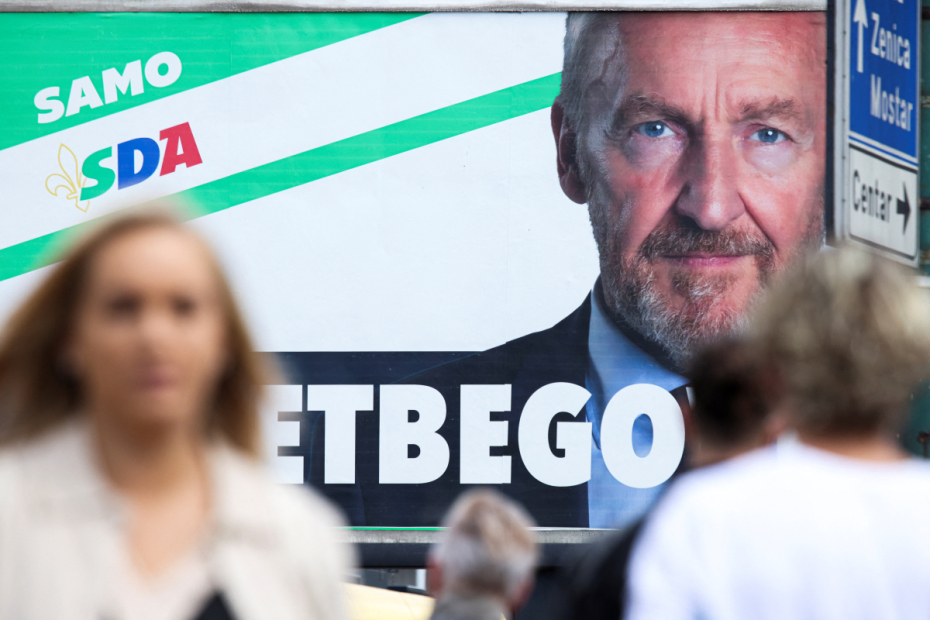
The election pits the established ethnic-based parties - the Bosniak SDA, Serb SNSD and Croat HDZ BiH - against opposition groups including multi-ethnic coalitions led by the Social Democratic Party.
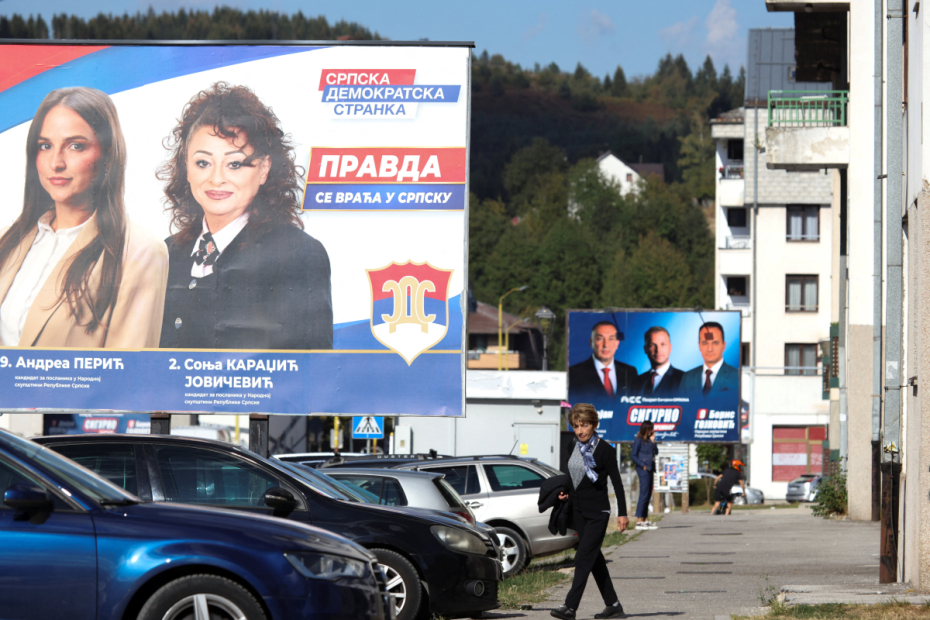
In Republika Srpska, SNSD is led by Milorad Dodik, who has advocated close ties with Serbia and Russia. The outcome there could influence the balance between the entity and Bosnia’s central institutions.
If the main ethnic parties retain their strength and political disputes continue, Bosnia’s EU accession process could face further delays.
U.S. and Russian interests
The election is also taking place against a backdrop of competing international interests.
The EU wants to bring Bosnia and other Western Balkan countries closer to the bloc, while Russia continues to maintain close ties with Republika Srpska.
Washington, meanwhile, has promoted a proposed $1.5 billion pipeline project intended to bring U.S. liquefied natural gas into the region. The project has also exposed differences between Washington and Brussels over how it should be developed.
New technology at the polls
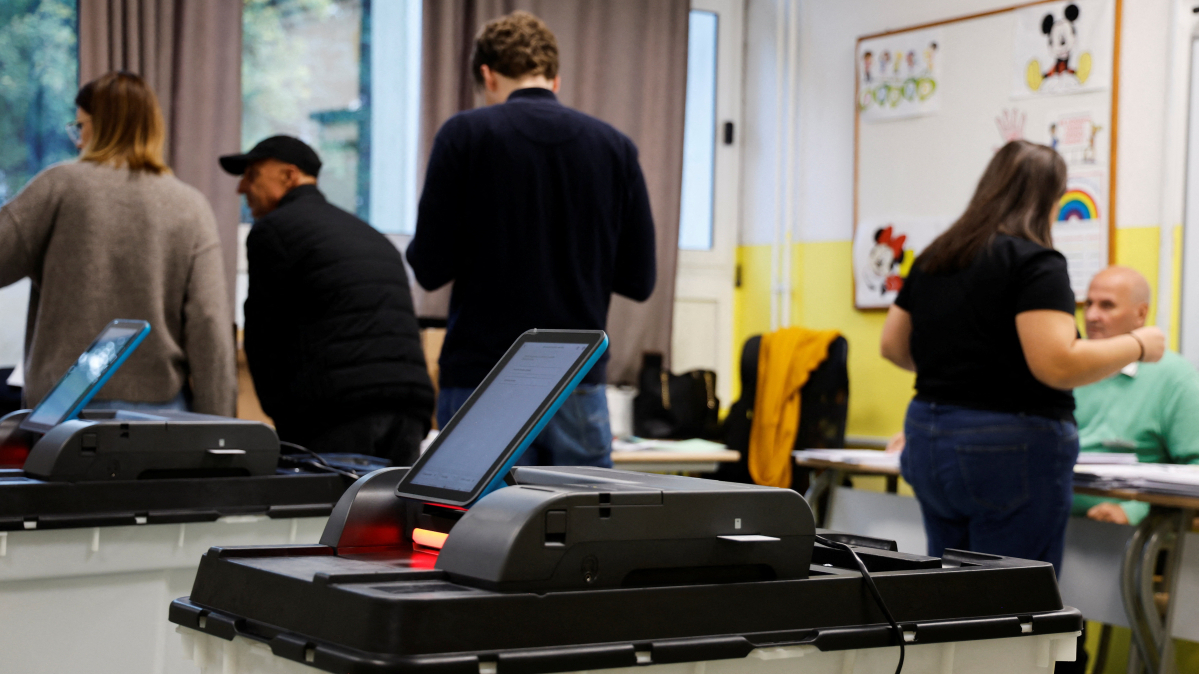
Sunday’s election is also the first nationwide vote to use biometric voter identification, ballot scanners and video surveillance at polling stations.
Voters will still mark paper ballots, but their identities will be checked biometrically and ballots scanned before being placed in ballot boxes.
The technology is intended to improve the speed and transparency of the count, with the Central Election Commission expecting to release preliminary results earlier than in previous elections.
Bosnians living abroad are also voting, with ballots available by post and at diplomatic missions in 13 countries.
The election will determine 518 officials across Bosnia’s complex system of state, entity and cantonal institutions - but for many voters, the central question is whether the next government can finally move the country beyond the political divisions that have shaped it since the war.
Read more about Bosnia and Herzegovina:


















What is your opinion on this topic?
Leave the first comment