Ratko Mladić, the former Bosnian Serb military commander convicted of genocide for his role in the 1995 Srebrenica massacre, has died, according to a United Nations official.
Mladić was found guilty by the International Criminal Tribunal for the former Yugoslavia (ICTY) of crimes committed during the Bosnian War, including genocide, persecution, extermination, murder and the forced displacement of civilians.
The Srebrenica massacre, in which more than 8,000 Bosnian Muslim men and boys were killed, remains one of the worst atrocities in Europe since the Second World War.
Srebrenica massacre marked the darkest chapter of the Bosnian War
The killings in Srebrenica took place in July 1995 after Bosnian Serb forces captured the UN-designated “safe area”.
Under Mladić’s command, thousands of men and boys were separated from their families, executed and buried in mass graves. Some bodies were later moved to secondary locations in an attempt to conceal evidence of the killings.
The ICTY ruled that the massacre was part of a wider campaign of ethnic cleansing aimed at removing Bosnian Muslims, Croats and other non-Serbs from territories claimed by Bosnian Serb forces.
“Butcher of Bosnia” rejected court verdicts
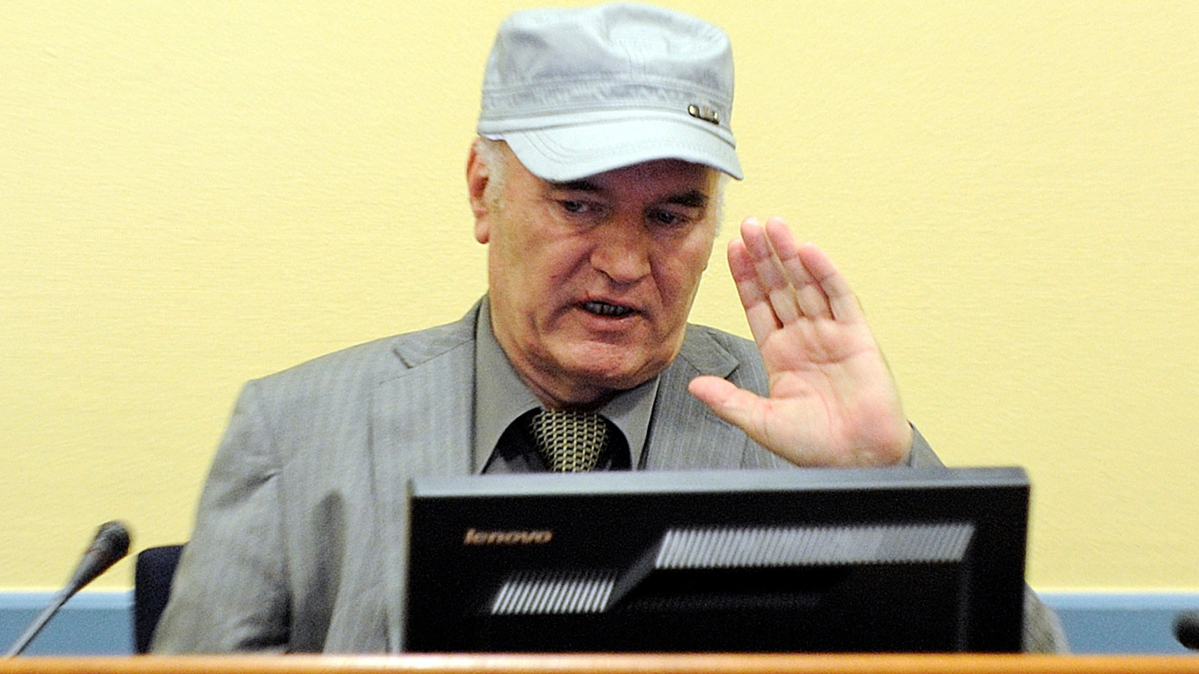
Mladić, who became known by opponents as the “Butcher of Bosnia”, repeatedly rejected the legitimacy of the tribunal.
During proceedings in 2014, he said: “I do not recognise this court.”
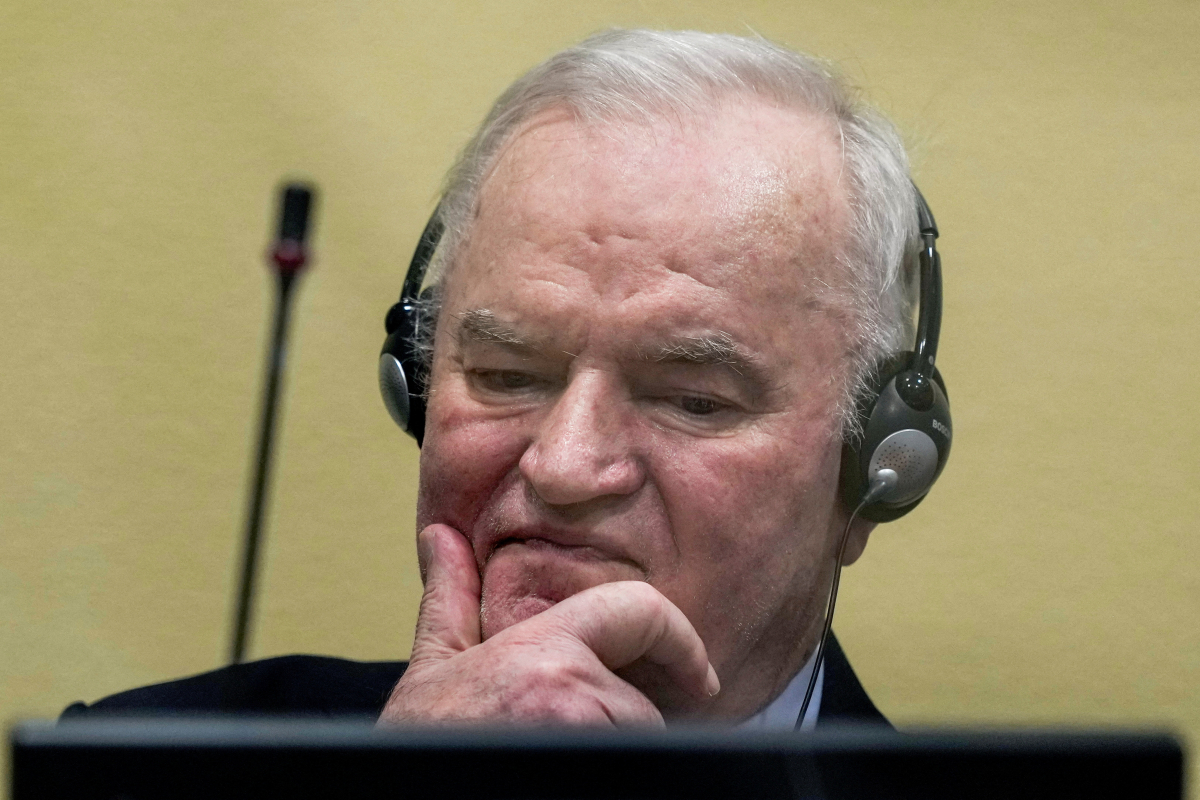
When he was sentenced to life imprisonment in 2017, he called the verdict “lies” and accused the judges of being unfair.
His conviction was upheld on appeal in 2021.
Role in the Bosnian War
Born in 1943, Mladić served as an officer in the Yugoslav People’s Army before becoming commander of the Army of Republika Srpska in 1992.
During the war, his forces controlled large parts of Bosnia and Herzegovina and were accused of carrying out widespread attacks against civilian populations.
The siege of Sarajevo, which lasted nearly four years, resulted in the deaths of around 10,000 people as the city was targeted by artillery, tanks and heavy weapons.
Years on the run before arrest
After the war ended, Mladić remained one of the most wanted figures by international authorities.
He lived in Serbia for years with the protection of nationalist supporters and was finally arrested in 2011 after nearly 16 years in hiding.
At the time of his arrest, Mladić was reportedly in poor health and appeared physically weakened compared with his wartime image as a powerful military commander.
Legacy of a divisive figure
For victims’ families and survivors of the Bosnian War, Mladić remains a symbol of the crimes committed during the conflict.
For many Serbian nationalists, however, he has continued to be viewed as a wartime hero.
His death comes after years of legal battles, including unsuccessful appeals for early release on health grounds. In 2026, a UN doctor assessed that his death could occur at any time, but a request for release was rejected.














What is your opinion on this topic?
Leave the first comment