Foreign ministers from the Group of Seven (G7) will meet in Paris on Monday to assess whether the Democrats' gains in the U.S. midterm elections could influence President Donald Trump's foreign policy, particularly on Ukraine and the Middle East.
The talks will offer Washington's closest allies their first opportunity to gauge whether the election results have changed the administration's approach to international relations.
However, diplomats have cautioned against expecting a return to traditional U.S. multilateralism.
Several G7 diplomats said the Democratic gains could limit the White House's political room for manoeuvre. Yet they stressed that foreign policy remains firmly under Trump's control.
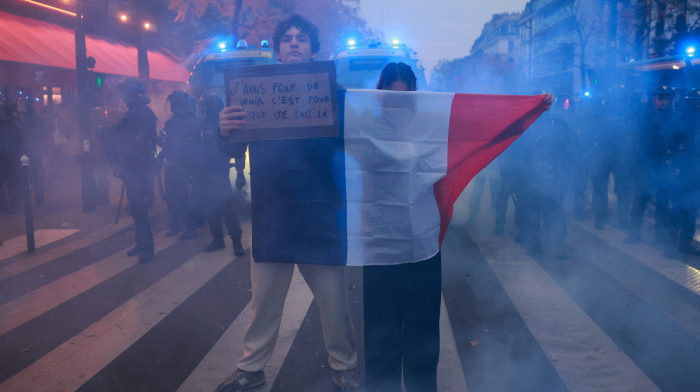
The meeting was moved from Marseille to Paris at short notice for security reasons, following weeks of protests across France.
U.S. Secretary of State Marco Rubio will attend, marking his first appearance before Washington's allies since the elections.
Rubio is also viewed as a potential Republican presidential contender in 2028.
Ukraine tops the agenda
The war in Ukraine is expected to dominate discussions ahead of trilateral talks between Ukraine, Russia and the United States in Abu Dhabi on Tuesday, 10 November.
Representatives from France, Britain, Germany, NATO and the European Commission are also expected in the UAE capital, although they will not join the three-way negotiations.
Diplomats warned that Russia has increasingly focused on attacking Ukraine's energy infrastructure. The strategy could leave millions of people without electricity during the winter months.
Although the front lines have largely stabilised, officials see little prospect of major military breakthroughs in the near term.
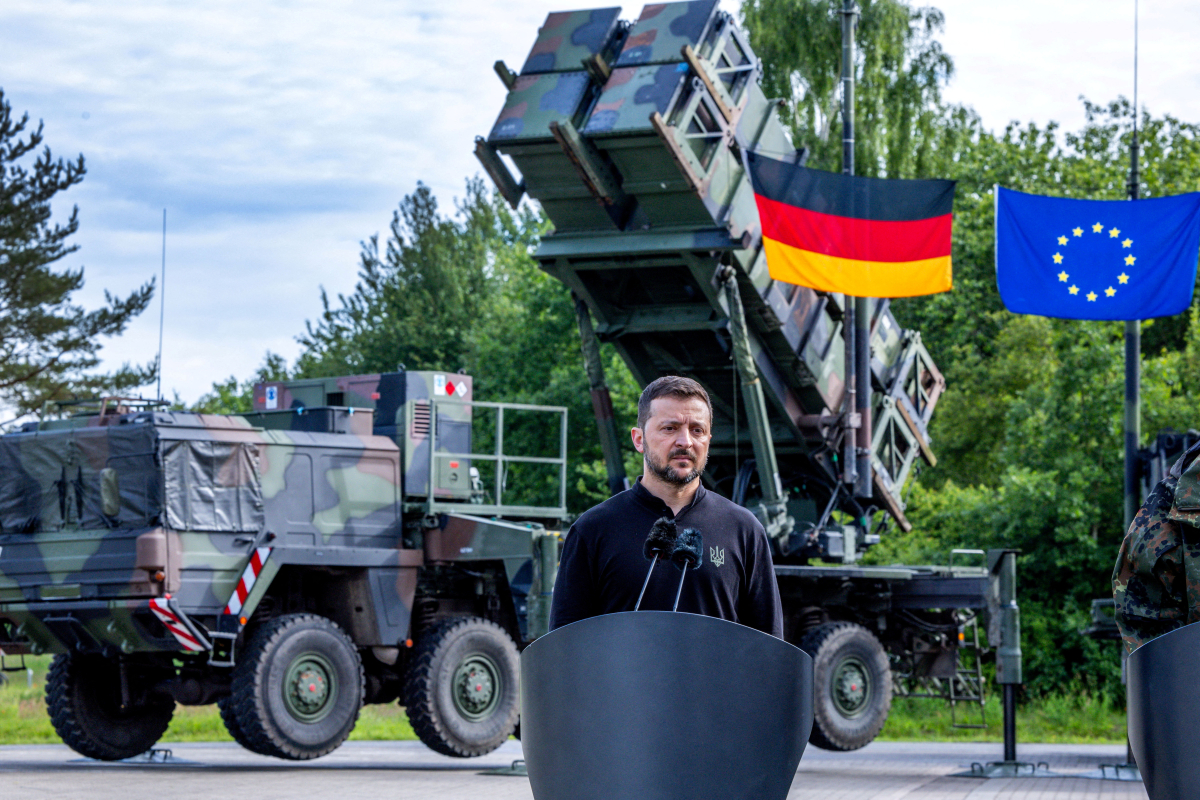
Ukraine's shortage of Patriot missile interceptors and other air-defence equipment remains a major concern. G7 ministers are expected to discuss further military, financial and energy assistance for Kyiv, alongside measures to maintain pressure on Moscow.
European unity is also likely to feature in the talks. Italian Prime Minister Giorgia Meloni recently warned that Europe risks losing influence in efforts to end the war if countries continue pursuing separate diplomatic initiatives.
Iran and Lebanon raise tensions
The Middle East will be another major focus, particularly Iran. Several U.S. allies have expressed doubts about the war and fear further American military action could deepen instability in the region.
Differences between Washington and Paris over Lebanon may also emerge.
France is proposing a new United Nations-backed security framework for southern Lebanon to replace existing arrangements. Its proposals include the possibility of a joint French-Italian international force.
However, Washington remains reluctant to support some of the French proposals.
With current arrangements due to expire at the end of the year, the G7 meeting could provide an opportunity to narrow differences between the allies.
A test of transatlantic relations
The G7 brings together Britain, Canada, France, Germany, Italy, Japan and the United States, alongside the European Union.
Ministers from Ukraine, Saudi Arabia, Egypt, South Korea and Brazil are also attending the Paris gathering.
Beyond the immediate conflicts, the meeting will test how far Washington's allies can influence U.S. policy following the midterm elections.
Despite the Democrats' gains, diplomats do not expect a major shift in Trump's foreign policy direction. The challenge for European leaders will be to maintain cooperation with Washington while preparing for possible disagreements over security and diplomacy.
Read more:












What is your opinion on this topic?
Leave the first comment