European Commission President Ursula von der Leyen said on Wednesday she wanted to open the door to Canada becoming the European Union's first “associate member” in a push to forge new links among allies in “an openly hostile world”.
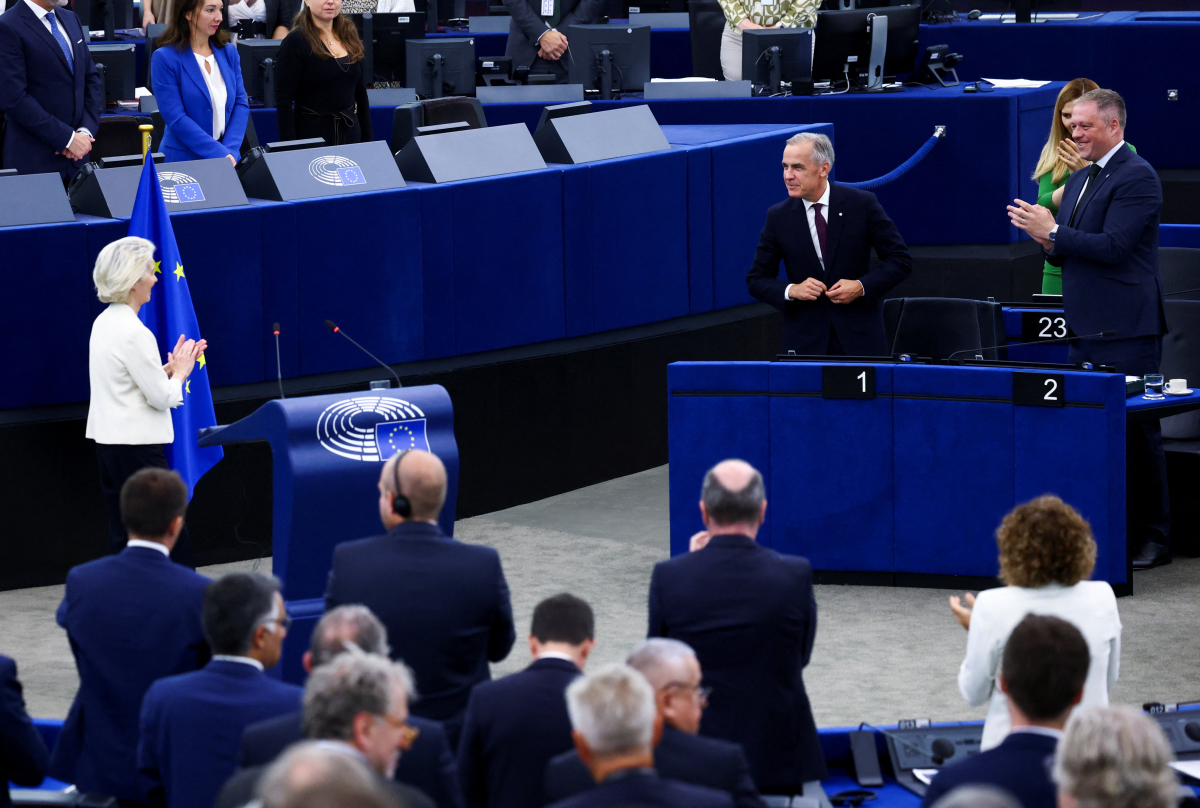
EU lawmakers gave a standing ovation after she made the proposal and then walked over to embrace Canada's Prime Minister Mark Carney, who was in the European Parliament to hear her annual State of the Union address.
New partnerships were needed “in the cold fragility of today’s world,” von der Leyen told the assembly in Strasbourg, without detailing what associate membership would mean.
The 27-nation bloc faces war at its borders, with Russia's invasion of Ukraine. Both the EU and Canada have also been facing stiff rivalry on trade and other issues from the administration of U.S. President Donald Trump and from an increasingly assertive China.
'Europe and Canada believe in democracy'
The EU and Canada “see the world with the same eyes: from AI to climate change, from the Arctic to geopolitics. And we have stood together: on Ukraine, on defence, on raw materials and on supply chains. But above all ... Europe and Canada believe in democracy,” von der Leyen told the assembly.
Canadian Prime Minister Mark Carney told the European Parliament on Thursday that Canada and Europe share common values and security and economic interests, describing the two sides as “stronger together”.
Speaking in English, French and German, Carney praised European democracy, freedom and human rights, saying Canada remained committed to its European allies and to the rule of law.
Carney also welcomed the European Union’s proposal for “associated membership” for Canada, saying the objective should be collective resilience rather than self-sufficiency.
Canadian Prime Minister Mark Carney gets applauded by European Commission President Ursula von der Leyen and the European Parliament as he attends her State of the European Union address (SOTEU), in Strasbourg, France, 16 September 2026.
Reuters
However, Trump threatened to take action against the EU if it moved forward with the proposal.
“If they do that, if I think it's at all a hostile act, I will put very serious tariffs or stop trading with Europe on many things,” Trump told reporters en route to an event in North Carolina on Wednesday (16 September).
Proposal raises questions
It will be up to EU member states, and not von der Leyen alone, whether her proposal, which left some EU watchers befuddled, goes ahead.
The EU has historically resisted flexible alliances that have no legal status. EU members were lukewarm in reacting to Germany's proposal in May for associate membership for Ukraine as a stepping stone to full accession.
Fabian Zuleeg, Chief Executive of the European Policy Centre think tank, said he would not expect significant economic gains for either side, but that there was potential in “standing up together” against Trump’s economic coercion and in working together on economic security.
Trade talks break down
Carney's European trip follows the collapse of Canada-U.S. trade talks last month, which sparked a series of back-and-forth tariff measures.
He has pledged to double Canada’s non-U.S. trade in the next decade as the country pivots away from its southern neighbour amid an increasingly acrimonious trade war.
In her speech, von der Leyen said the EU and Canada will work together across sectors.
“We will work on intelligent manufacturing. We will create a tech alliance. We will integrate defence industrial bases. We will make the Arctic a flagship joint project,” she said.
Von der Leyen added, “This is a partnership not against anyone else.”
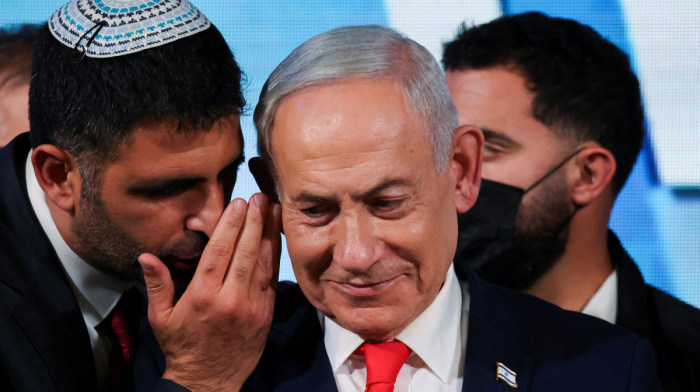
Despite losing his bloc's majority in Israel's 120-seat Knesset in a hotly contested election, Prime Minister Benjamin Netanyahu has managed to remain in the lead after 70 per cent of votes were tallied on Wednesday. Figures are subject to change as counting continues.
Russia and Ukraine have begun a regional ceasefire to allow the start of a humanitarian effort in the Russian-occupied town of Oleshky, both sides said on Tuesday, but they continue strikes elsewhere, including the Ukrainian capital of Kyiv.
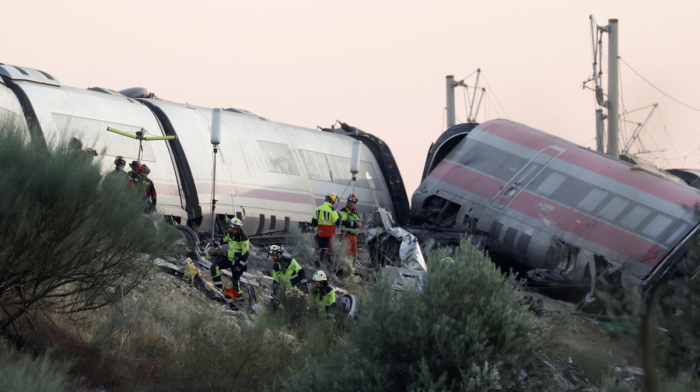
At least 68 people have been killed after two high-speed trains collided in Spain on Wednesday, in the second deadly rail disaster in less than a year on a major route linking Madrid with the southern Andalusia region.
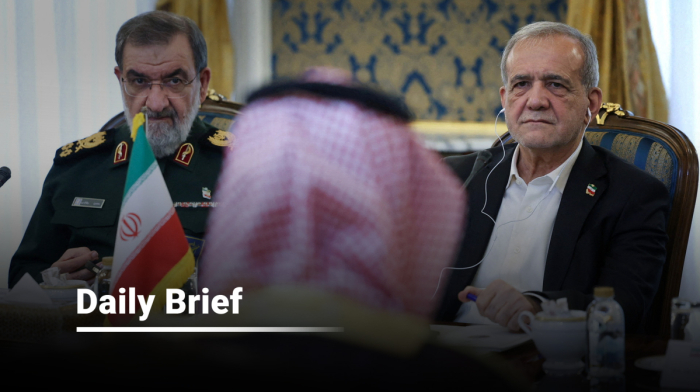
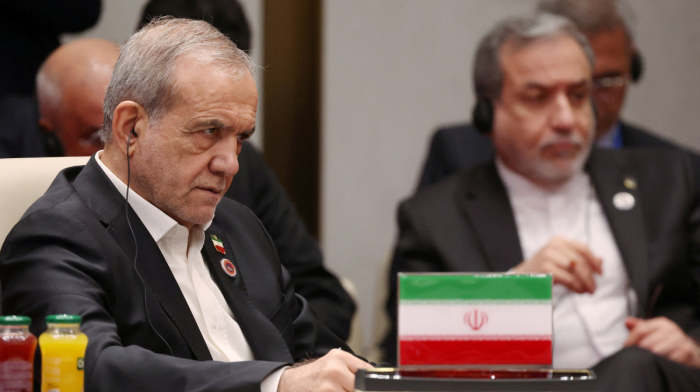
The Middle East conflict remains tense as diplomatic efforts continue alongside renewed Houthi attacks. Iran says it remains open to mediation, while the Saudi-led coalition says it intercepted a ballistic missile fired towards the kingdom.
A knife-wielding attacker was shot dead by a police officer outside Israel’s embassy in Belgrade after wounding the officer, prompting Serbian authorities to raise the country’s security alert to its highest level.
Rescuers searched desperately through wrecked carriages on Thursday in the hope of finding more survivors of Spain's second deadly high-speed train crash this year, which has so far claimed 68 lives.
Here's your AnewZ Daily Brief for 29 October 2026, exploring five global flashpoints where diplomatic efforts are colliding with growing military threats, from renewed hopes for peace in the Middle East and Ukraine to warnings of wider instability in Africa and Asia.
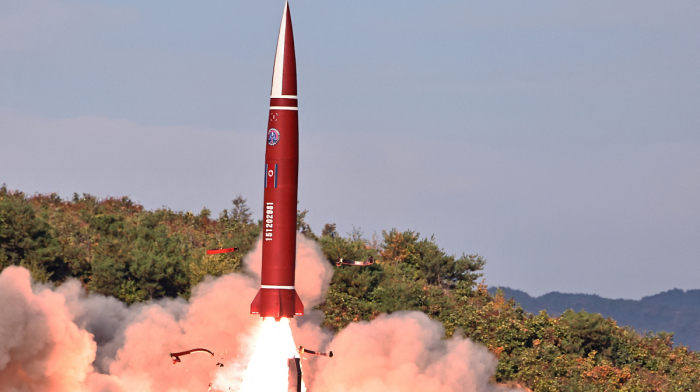
North Korea fired around 10 ballistic missiles toward the sea off its east coast on Thursday, South Korea's military said, as tensions run high ahead of Pyongyang's end-of-month deadline to activate propaganda loudspeakers along the heavily armed border.
UN human rights experts comprising a group including Special Rapporteurs and independent experts who are part of the UN Human Rights Council, have criticised French authorities over their handling of nationwide student protests.
Hundreds of people living permanently aboard the Villa Vie Odyssey have been forced to disembark in Cambodia after soaring fuel costs linked to the Iran war made the cruise ship’s operations financially unsustainable.
Download the AnewZ app
You can download the AnewZ application from Play Store and the App Store.











What is your opinion on this topic?
Leave the first comment