A fresh wave of bomb threats targeted passenger flights across Europe on Friday, 6 November, marking the third such incident in a week and raising fears of a coordinated campaign of “hybrid aggression and a form of psychological warfare.”
No explosive devices have been found, and all affected aircraft have landed safely.
Danish police said they were investigating threats targeting flights at Copenhagen Airport, but believed passengers had not been in danger. Czech police reported threats against nine flights departing from or arriving in Prague, although none was cancelled.
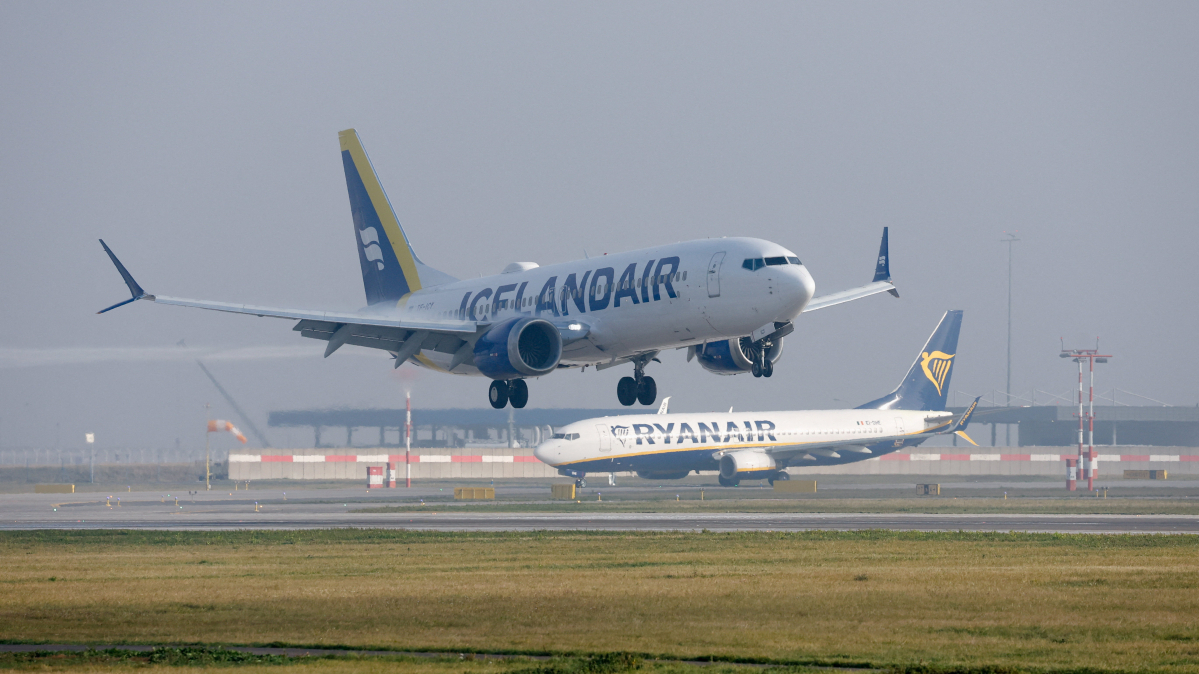
A Wizz Air flight from Prague to Rome was diverted to Venice, where it landed safely. The French Prime Minister’s office reported four additional threats against aircraft over French territory, while CNN Portugal said a security operation had been launched following a bomb alert on a Ryanair flight from Rome to Lisbon.
Third wave of threats in a week
Thursday's threats forced at least 15 flights across Europe to divert or make emergency landings, following similar incidents involving seven aircraft on Tuesday.
Italian, French and Bulgarian fighter jets were scrambled on Thursday, with at least five flights escorted by military aircraft. British Transport Secretary Heidi Alexander described the threats as “malicious hoaxes.”
EU Transport Commissioner Apostolos Tzitzikostas cautioned that it was too early to draw conclusions about who was responsible.
Who is behind the threats?
A source at an Italian airport said messages sent to airlines and airports in Rome and Milan claimed to be from “fighters of the Male State.” Reuters said it could not verify the sender's identity.
Vladislav Pozdnyakov, who founded the Russian anti-feminist movement in 2016, denied any involvement, saying the group no longer existed.
Security experts said the incidents bore the hallmarks of a coordinated “hybrid” attack, although they did not rule out copycat threats or personal grievances.
European officials have previously accused Russia and Iran of carrying out hybrid attacks, allegations both Moscow and Tehran deny.
The latest disruption follows a separate incident earlier this week in which unidentified hackers disabled supermarket fridges across several European countries. Some experts suggested the bomb hoaxes could form part of a broader pattern of low-cost disruption designed to make those responsible difficult to identify.
Europe warned to prepare for more disruption
Spanish Foreign Minister José Manuel Albares Bueno said the scale and similarity of the incidents suggested they were unlikely to be isolated.
Speaking to Spanish broadcaster TVE, Albares said the incidents amounted to “hybrid aggression and a form of psychological warfare.”
He added that “it cannot be mere coincidence” that so many incidents were following the same pattern, warning that Europe must be prepared for further disruption.
Read more from Europe:














What is your opinion on this topic?
Leave the first comment