Bomb threats targeting at least seven flights and a cruise ship across Europe on Tuesday, 3 November, sparked flight diversions, airport disruptions and widespread security searches. No explosives were found, and no group has claimed responsibility.
Flights diverted and airports placed on alert
The threats affected flights bound for Warsaw, Sofia, Rome and Murcia in Spain, prompting security checks and temporary restrictions at several airports.
In Poland, a LOT Polish Airlines flight from London was diverted from Warsaw Chopin Airport to nearby Warsaw Modlin Airport, which temporarily closed while authorities searched the aircraft. No explosives were found.
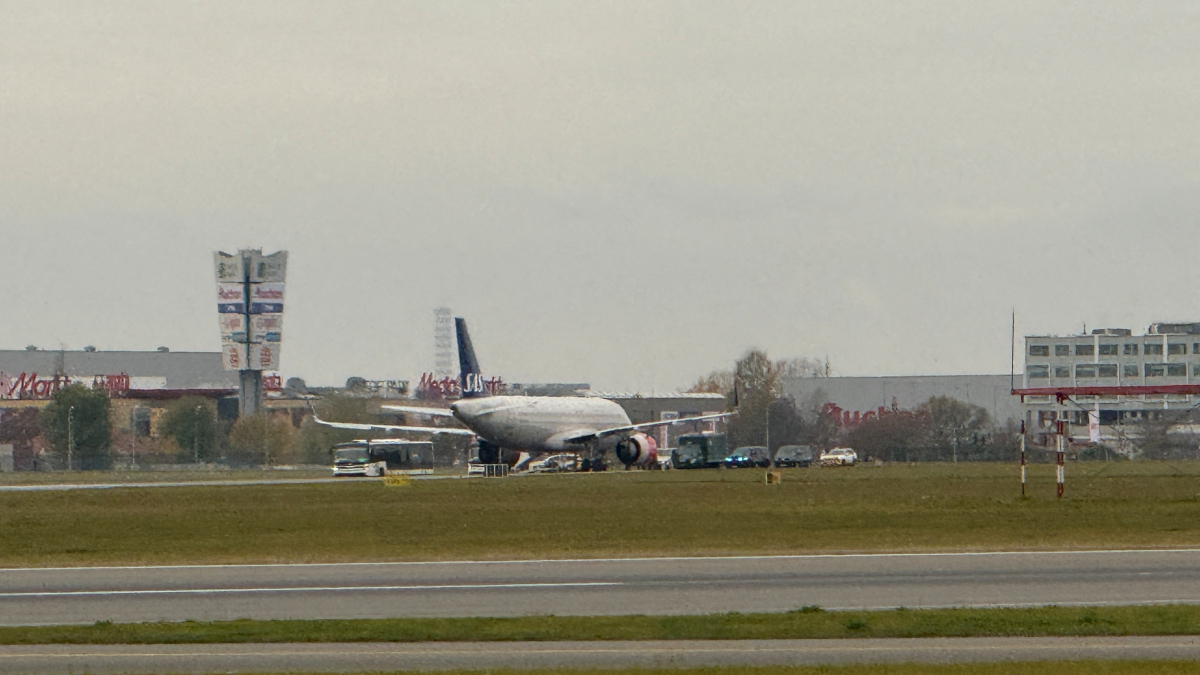
Another Warsaw-bound flight, operated by SAS from Copenhagen, landed at Chopin Airport as scheduled. Security checks revealed no suspicious devices, allowing the airport to remain operational.
Bomb scares affect Bulgaria, Italy and Spain
In Bulgaria, two flights arriving in Sofia from Milan Bergamo and Dublin received bomb threats. The Wizz Air flight from Italy was carrying 176 passengers, while the Ryanair flight from Ireland had 186 people on board.
Both aircraft landed safely, with searches finding no explosives.
A day earlier, a Wizz Air flight from London to Sofia was diverted to Budapest following a similar threat.
In Spain, parts of Murcia Airport were cordoned off after a bomb threat targeted a Ryanair flight from Manchester. Authorities later declared the alert a hoax, and normal operations resumed.
Meanwhile, two Ryanair flights from Lisbon and Dublin were searched after arriving at Rome's Fiumicino Airport.The Dublin flight was escorted by the Italian Air Force before landing safely.
Officials said both alerts were resolved without disrupting other flights.
Cruise ship searched near Greek island
The wave of security alerts extended to the seas after an anonymous caller claimed an explosive device had been attached to the hull of the Panama-flagged Crown Iris cruise ship.
Authorities searched the vessel near the Greek island of Syros, deploying an explosives detection dog and a diver.
Initial inspections revealed no explosives, but coastguard specialists were expected to carry out further checks before the Israel-bound ship could resume its voyage.
Experts warn of possible coordinated disruption
Aviation security experts said the scale of the threats in a single day was highly unusual, raising questions about whether the incidents were coordinated.
Rhys Jones, analysis output manager at aviation risk advisory firm Osprey Flight Solutions, described seven confirmed bomb threats against flights in one day as exceptional.
“The lack of clear target state, airline, or route indicates that general disruption to aviation operations is the aim,” Jones told Reuters.
The incidents come amid mounting concerns across Europe about suspected hybrid attacks and sabotage aimed at transport networks and critical infrastructure.
Earlier this week, unidentified hackers targeted supermarket refrigeration systems in several European countries, causing food to spoil.
Some security experts said the bomb scares could be part of a wider pattern of low-cost disruption, although no evidence has emerged linking the incidents.
European officials have previously accused Russia and Iran of carrying out hybrid operations, allegations denied by both countries.
“From railways to the food infrastructure that you see happening with the fridges being hacked and all kinds of other operations, it does fit the narrative of Russian state actors who want to disturb Europe,” said Eric Schouten, the head of aviation security group Dyami.
Read more:




















What is your opinion on this topic?
Leave the first comment