The Middle East arrived at the United Nations this week with the consequences of a war that is no longer contained to one front. From Israel and Iran to Syria and Yemen, leaders have used the General Assembly to set out competing positions on the situation in the region.
Taken together, their speeches reflected a Middle East being reshaped simultaneously by military confrontation, diplomatic realignment and the growing pressure on trade and energy routes.
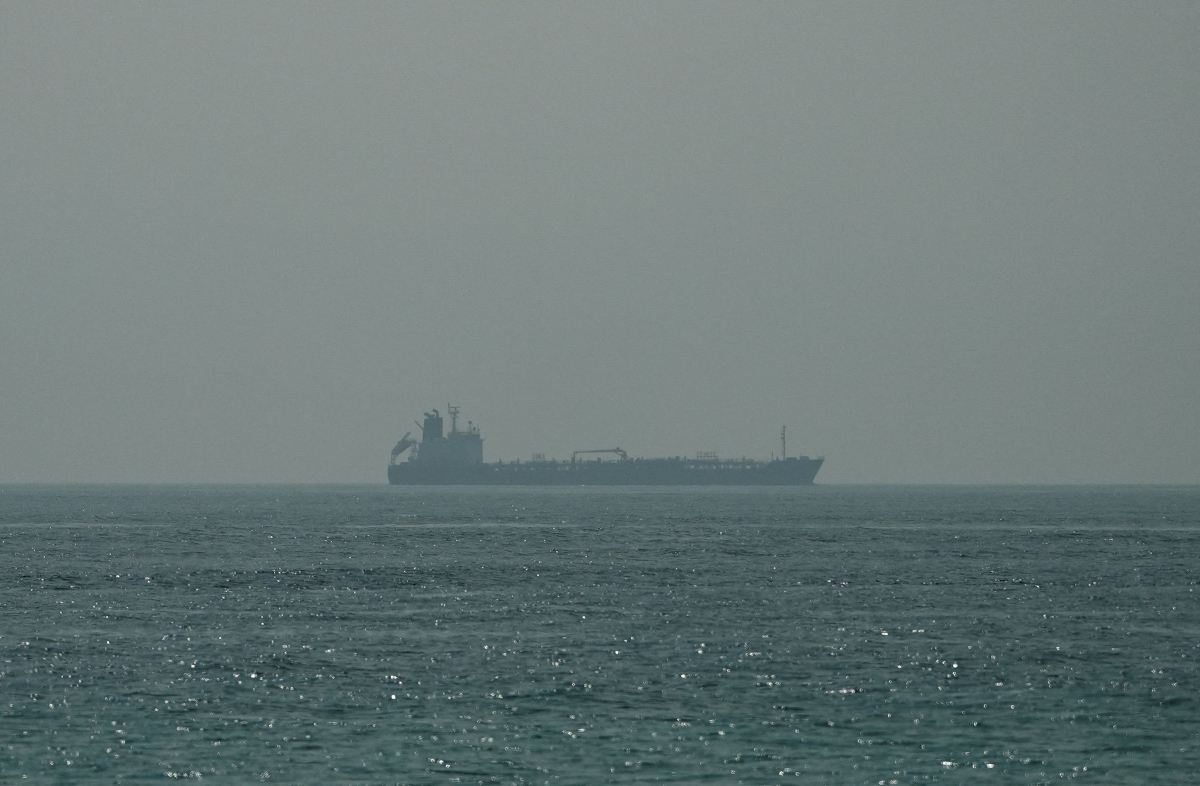
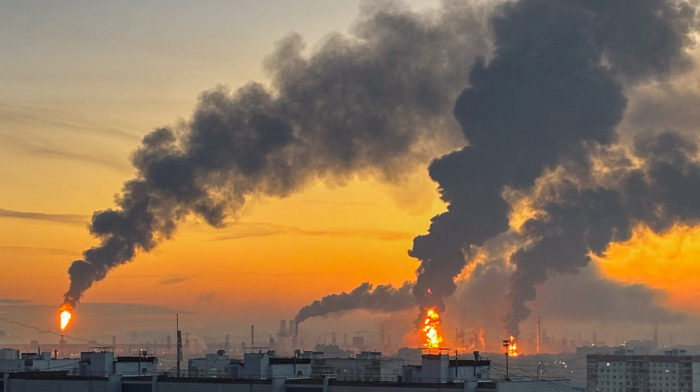
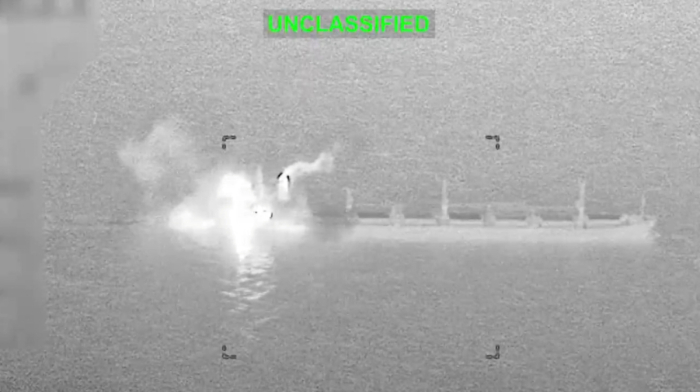
But some of the most immediate consequences are being felt far from the UN chamber across the Persian Gulf and the Red Sea. The disruption around the Strait of Hormuz, the growing threat around Bab al-Mandeb, attacks on energy infrastructure and rising pressure on shipping are increasingly connecting conflicts that were once treated as separate crises.
UNGA: a stage for reaffirming positions
The UN provided a stage for the region to present its competing positions. The Persian Gulf is where many of their consequences are now being tested.
Iranian President Masoud Pezeshkian used his UN address to reject what he described as U.S. pressure, saying Iran would not surrender, while also saying Tehran remained open to dialogue and negotiations without what he called the “language of force.” His comments came as Washington and Tehran continue to face disagreements over the war and the future of the Strait of Hormuz - which is playing a huge role in a world economy and especially for Persian Gulf region countries.
Israeli Prime Minister Benjamin Netanyahu, speaking a day later, presented Israel's actions through the argument of national security and focused heavily on Iran and regional threats. His appearance was marked by a walkout by numerous delegations, underlining the political divisions surrounding the conflict.
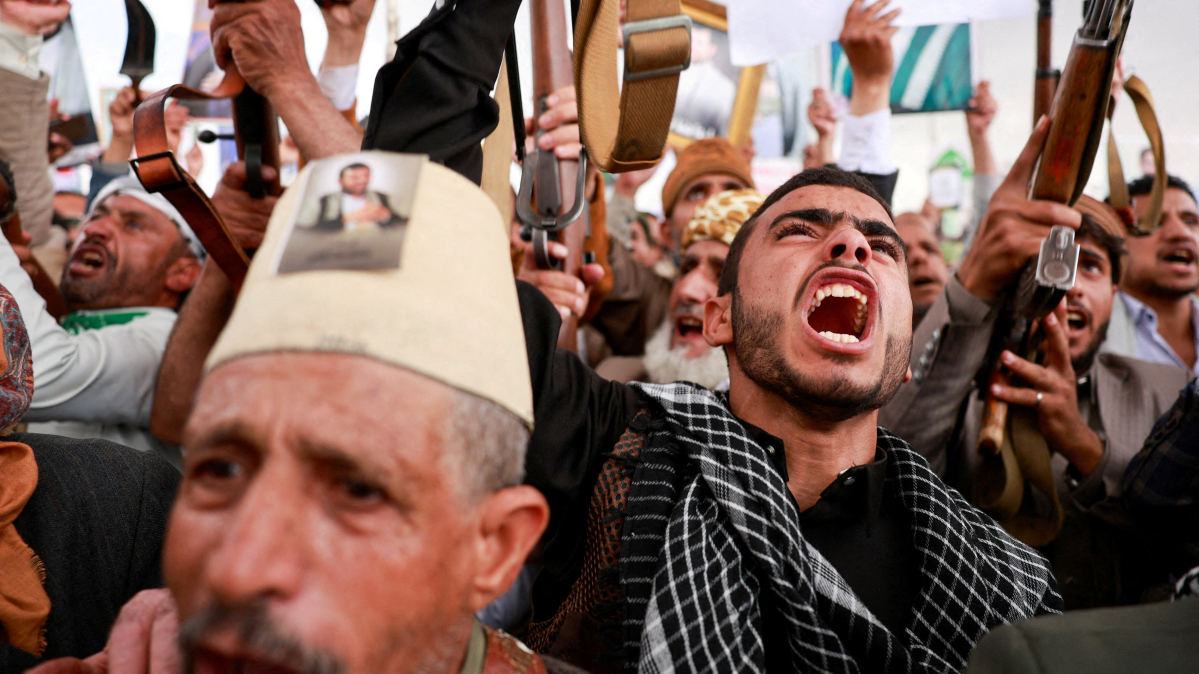
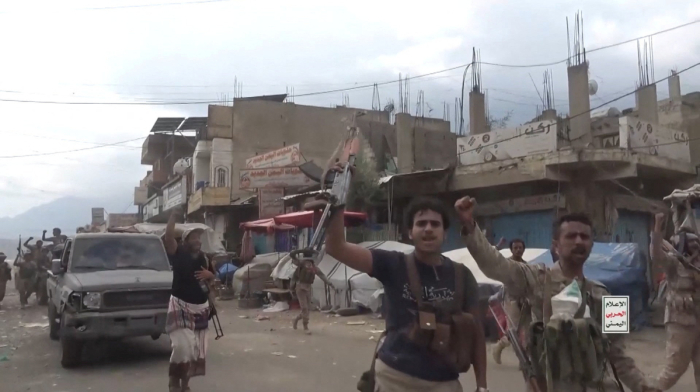
Yemen's internationally recognised government warned the General Assembly that the Houthis' recent territorial gains along the Red Sea were no longer only a domestic Yemeni issue. The group has taken control of much of Yemen's western coastline, including the strategic port of Mocha, and moved closer to the Bab al-Mandeb Strait.
The government appealed for international support, arguing that control of positions overlooking the waterway could create risks for global shipping and supply chains.
War is spreading across the Persian Gulf's economic geography
For months, the Strait of Hormuz has been the central pressure point of the conflict. But the latest developments show that the Persian Gulf's vulnerability is no longer concentrated around one waterway.
Hormuz is under pressure in the east. Bab al-Mandeb is becoming increasingly contested in the south. Between them are the ports, pipelines, airports and logistics networks on which the Gulf Cooperation Council (GCC) economies depend. The result is a much wider security problem.
The UAE, Saudi Arabia, Qatar, Kuwait, Bahrain and Oman have spent years building alternative infrastructure and diversifying their economies. But the current crisis is testing whether those alternatives can actually protect trade when several regional routes are under pressure at the same time.
The impact is already visible in commercial shipping.
Container traffic through the Strait of Hormuz has fallen sharply, while companies are facing higher insurance costs and longer journeys. The Financial Times reported that shipping costs from China to the UAE have risen, transit times have doubled and major Persian Gulf ports have faced serious disruptions. Businesses have increasingly turned to smaller ports and alternative routes, adding cost and delays to regional trade.
For the UAE, this is especially important.
Dubai's economy is built around its position as a regional and global hub for aviation, logistics, trade, finance and re-export. A prolonged disruption in maritime traffic does not simply affect oil. It affects the movement of containers, food, industrial materials and consumer goods.
Qatar faces another form of exposure. Its liquified natural gas (LNG) industry depends heavily on maritime access through Hormuz. Even if production continues normally, restrictions on shipping can complicate deliveries to international customers. Analysts at the Center for Strategic and International Studies have highlighted the importance of Hormuz to Qatar's LNG exports and the wider global gas market.
Omani ports have also been used for ship-to-ship transfers as Persian Gulf exporters adjust their logistics. Reuters reported that Saudi Arabia facilitated transfers of around 60 million barrels from Ras Tanura at the Omani port of Sohar during the disruption. But the biggest test is now unfolding around Saudi Arabia's western coast.
Alternative to Hormuz is under pressure
Saudi Arabia has spent years developing ways to move oil without relying entirely on Hormuz.
Its East-West pipeline carries crude from the kingdom's eastern oil fields across the country to Yanbu on the Red Sea. The route allows Saudi oil to reach international markets without passing through Hormuz. But that alternative has now become part of the conflict.
A drone attack earlier this month halted crude shipments through Yanbu. Saudi Arabia subsequently increased exports from its eastern Gulf terminals, with Reuters satellite tracking showing around 14 million barrels loaded onto seven very large crude carriers at Ras Tanura on 20 September. Oil flows through Hormuz also rose sharply as Saudi Arabia compensated for the disruption. The pipeline has since restarted at a reduced rate, but the security problem has not disappeared.
On Thursday (24 September), Saudi Arabia said it intercepted six ballistic missiles launched by the Houthis towards the Taif and Yanbu areas. The Houthis claimed attacks against what they described as targets in Riyadh and Saudi Aramco facilities, although those claims were not independently verified. Now Yanbu is therefore becoming more than an oil terminal.
It is a test of whether a major Persian Gulf energy exporter can create a reliable alternative to Hormuz while the Red Sea itself is becoming a new military front.
Diplomatic response is moving alongside the military one
The Persian Gulf states are not responding only with defensive measures. They are also trying to prevent the conflict from becoming a permanent regional confrontation.
Qatar, the UAE and other Arab states have pushed for dialogue with Iran and discussed the possibility of a broader regional security arrangement. At the UN this week, Qatar, Saudi Arabia, the UAE, Egypt and other Arab and Islamic countries also held talks on the Gaza crisis and called for humanitarian access and implementation of existing commitments.
At the same time, Saudi Arabia, Türkiye and Pakistan are preparing an urgent meeting of their military chiefs following the latest Houthi attacks. France has also offered support to strengthen the protection of Yanbu, according to reports.
The GCC states need to protect their territory and economic infrastructure, but they also have an interest in preventing the war from expanding into a permanent regional confrontation involving Iran, Yemen and the major international powers.
And that brings the story back to the United Nations.
Four different Middle Eastern messages were delivered in New York this week. Israel spoke about security, Iran about resistance and diplomacy, Syria about reconstruction, and Yemen about the international consequences of the Houthi advance. But outside the UN, the region is being shaped by missiles, pipelines, ports and shipping routes.
The central question now is whether diplomacy can move fast enough to prevent those separate crises from becoming one interconnected regional conflict.
Read more:















What is your opinion on this topic?
Leave the first comment