




23:25 CET
Nigeria confirms Ebola case in Abuja
Nigerian health authorities have confirmed a case of Ebola disease in the Federal Capital Territory (FCT)...
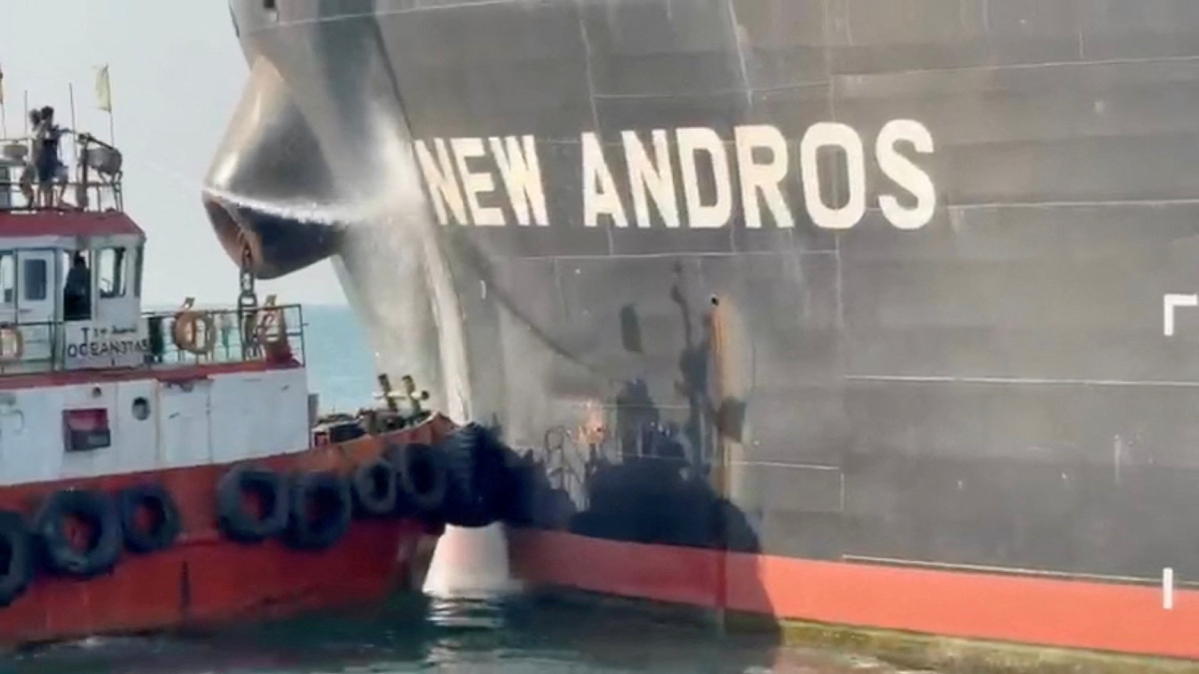


Oil has crossed the $100-a-barrel mark again, but for Gulf countries this is not simply good news. Brent reached about $100.07 on Wednesday, its highest level since July, as the U.S.-Iran war and attacks on Saudi energy facilities raised fresh fears about supplies.
For countries such as Saudi Arabia and the UAE, the basic calculation is simple.
When oil sells for more, governments can earn more from every barrel they export. That can mean more money for government budgets, infrastructure and large development projects.
The higher price is being caused by the war itself. If attacks damage oil facilities or make shipping routes unsafe, Gulf producers may have fewer barrels to sell.
That risk is already visible in Saudi Arabia, where Iran-backed Houthi forces have attacked energy facilities in the south, including sites around Jazan.
The Strait of Hormuz adds another layer of risk. Before the latest escalation, around 8-9 million barrels of oil a day were moving through the waterway; recent flows have fallen to below two million barrels a day.
Saudi Arabia has some protection because part of its oil can be moved through pipelines to the Red Sea, avoiding Hormuz. But other Gulf economies remain exposed to the cost of disrupted shipping.
The UAE is in a stronger position because its economy is less dependent on oil than it was in the past. Dubai earns heavily from real estate, tourism, aviation, trade and financial services, so higher oil prices can help government finances while also increasing costs for businesses and consumers.
And that is where the $100 price becomes complicated. Expensive oil brings more revenue, but war also means higher shipping, insurance, transport and energy costs, while weaker tourism, aviation and property activity can put pressure on the wider economy.
For the Gulf, therefore, $100 oil is a benefit only if producers can keep exporting. If prices remain high because the region is losing production and shipping capacity, the extra money from oil may come with an increasingly expensive bill elsewhere.

Nigerian health authorities have confirmed a case of Ebola disease in the Federal Capital Territory (FCT)...
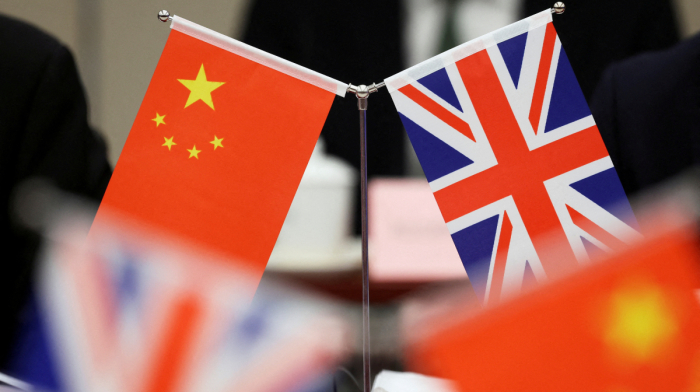
China has lodged a formal diplomatic protest with the UK after British border officials allegedly subjected Chinese travellers to lengthy questioni...
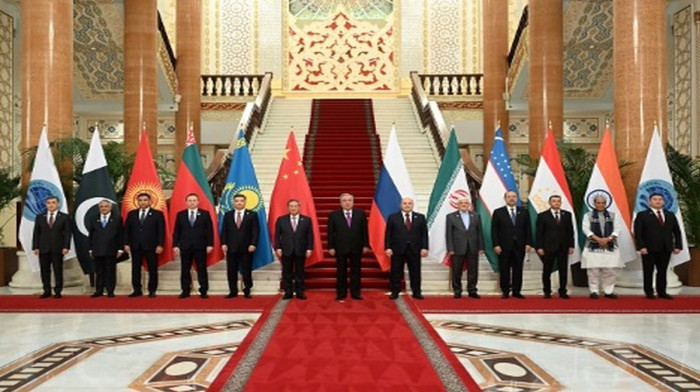
Member states of the Shanghai Cooperation Organisation (SCO) prevented 273 terrorist attacks and more than 3,000 crimes linked to terrorism, separa...
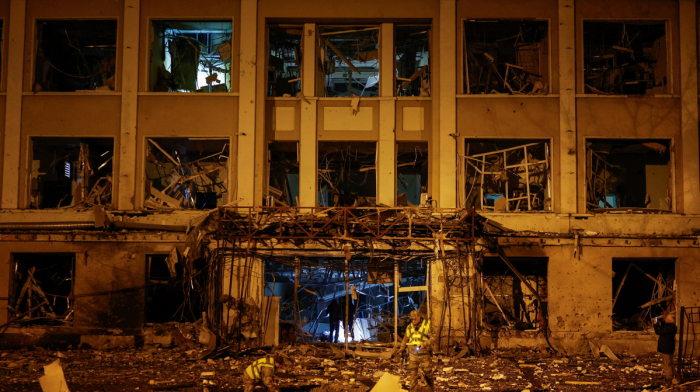
U.S. President Donald Trump has criticised Ukrainian President Volodymyr Zelenskyy for continuing to target Russia's energy infrastructure, while Russian strikes on Kyiv overnight killed at least one person and damaged a metro station.
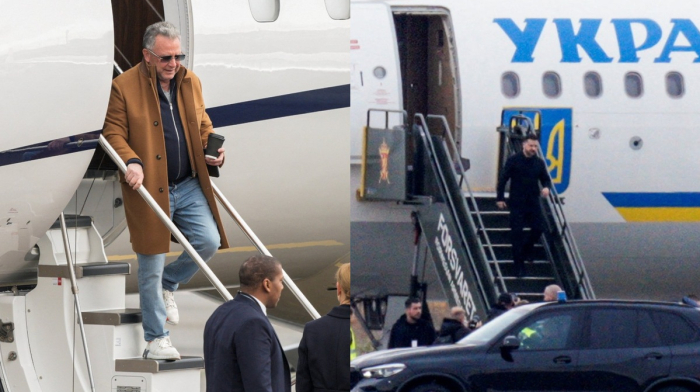
Ukrainian President Volodymyr Zelenskyy has arrived in Norway for talks about the Russia-Ukraine war. He is expected to meet with U.S. President Donald Trump's Special Envoy Steve Witkoff, who arrived in Oslo earlier. Witkoff will also meet European officials.

French President Emmanuel Macron has condemned the violence, looting and vandalism that erupted during cost-of-living protests across France. Prime Minister Sébastien Lecornu held crisis talks on Monday, calling for partial curfews and raising the possibility of a state of emergency.
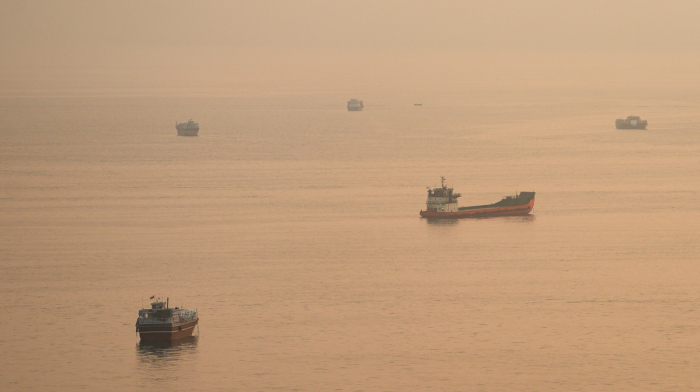
An oil tanker caught fire after striking a naval mine in the southern part of the Strait of Hormuz, Iran’s Islamic Revolutionary Guard Corps (IRGC) Navy said late Sunday.
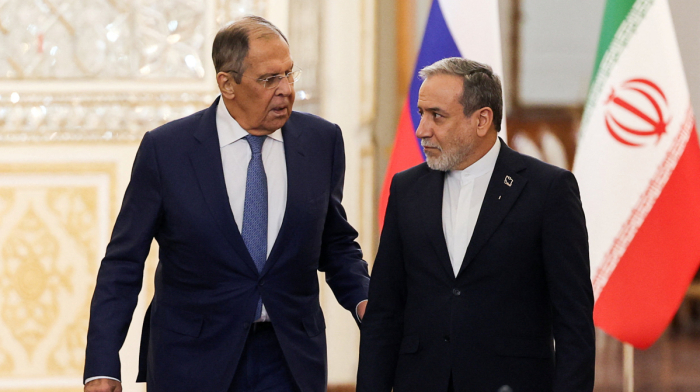
Iranian Foreign Minister Abbas Araghchi said regional issues should be resolved through diplomacy and blamed the United States for insecurity and tensions in the Strait of Hormuz, speaking at a joint news conference with Russian Foreign Minister Sergey Lavrov on Monday.
Nigerian health authorities have confirmed a case of Ebola disease in the Federal Capital Territory (FCT), prompting the activation of emergency public health measures aimed at preventing further transmission of the deadly virus.
China has lodged a formal diplomatic protest with the UK after British border officials allegedly subjected Chinese travellers to lengthy questioning and seized personal electronic devices, including phones, laptops and smartwatches.
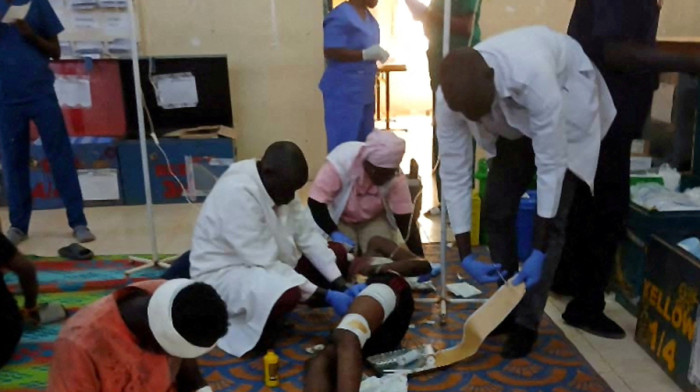
More than 150 people have been killed in a drone strike on a crowded market in the disputed Abyei region, South Sudanese officials said, marking one of the deadliest attacks linked to Sudan's civil war since it began in April 2023.
Ukrainian President Volodymyr Zelenskyy has arrived in Norway for talks about the Russia-Ukraine war. He is expected to meet with U.S. President Donald Trump's Special Envoy Steve Witkoff, who arrived in Oslo earlier. Witkoff will also meet European officials.
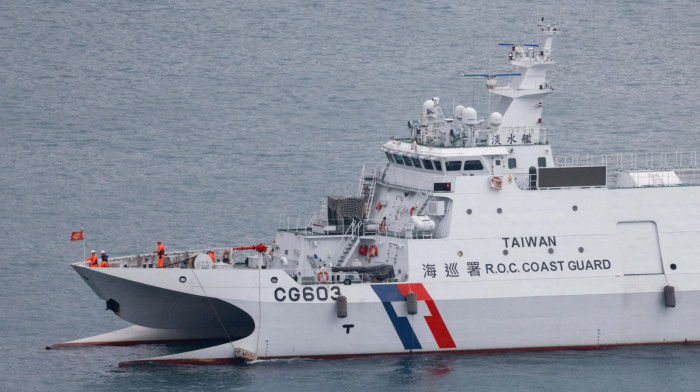
Beijing says it deployed naval forces to monitor a U.S. warship near Sabina Shoal, while Taiwan reports a separate confrontation with a Chinese coast guard vessel near the Pratas Islands.
You can download the AnewZ application from Play Store and the App Store.




What is your opinion on this topic?
Leave the first comment