Nepal will need to rebuild around 20,000 homes in flood-hit areas, authorities said on Thursday, as rescue teams continued searching hydropower tunnels for trapped workers and more than 4,000 people remained missing after last week’s disaster.
A glacier collapse in late August sent a torrent of ice, rock and mud through Nepal’s border region with China, destroying settlements and villages and leaving thousands of people displaced.
Dharma Raj Upreti, chief of the National Disaster Risk Reduction and Management Authority, said preliminary estimates showed that 7,500 homes had been completely destroyed, either washed away or buried under debris and mud.
Many houses still standing were no longer safe to live in, bringing the estimated number of homes that will need to be rebuilt to around 20,000.
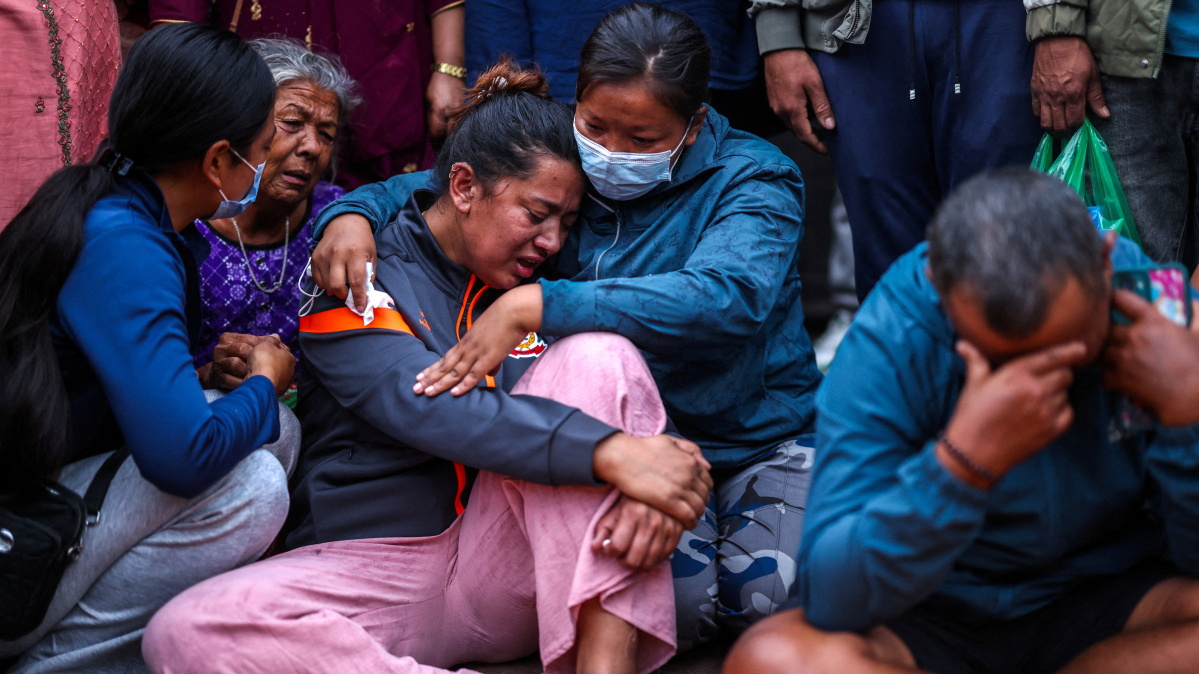
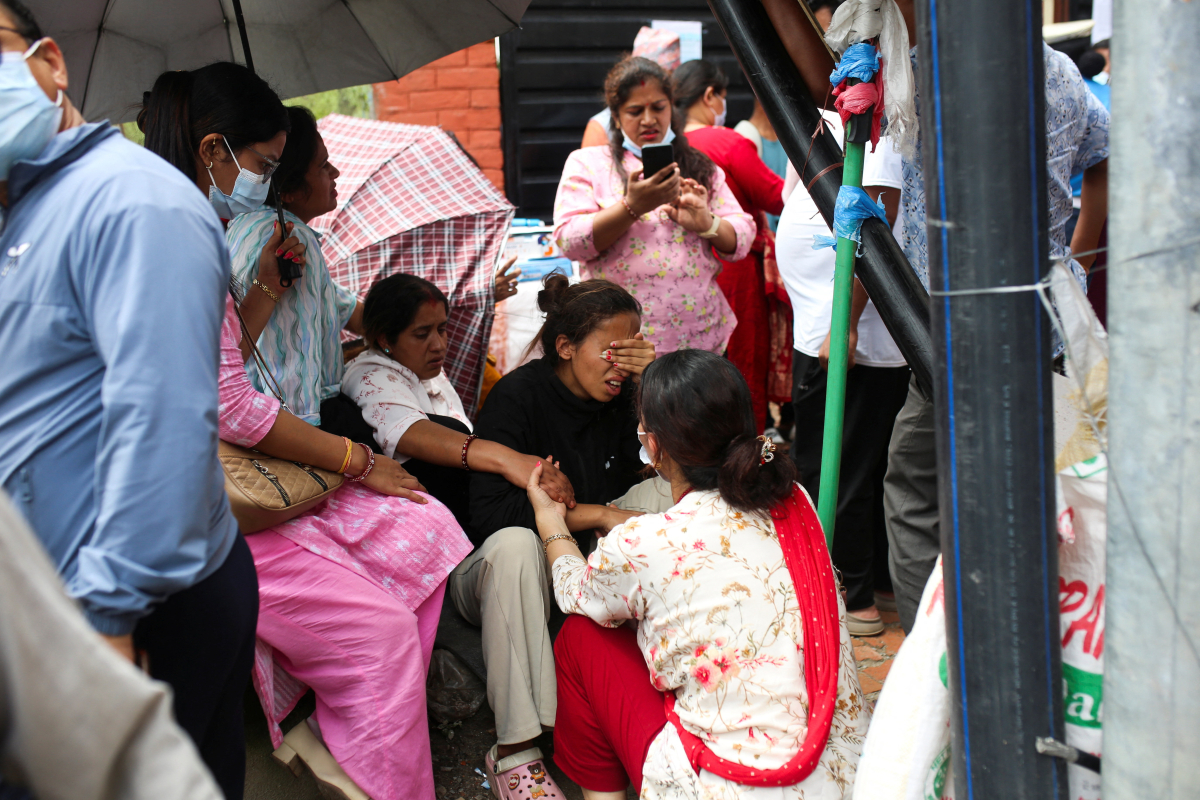
At least 1,204 people were killed as floodwaters carrying ice, mud and rock swept through communities near Nepal’s border with China’s Tibet region. More than 4,200 people remain missing.
Authorities seek safer locations for new settlements
Officials say rebuilding homes in the same locations would leave residents exposed to similar risks in the future.
“There is no point in rebuilding the houses in the same locations, as that would expose people to the same risks,” Upreti said while speaking to Reuters.
Authorities are working to identify safer areas where new homes can be built and communities relocated.
Nepalese Prime Minister Balendra Shah said on Wednesday that the government was focusing on rehabilitation and reconstruction while continuing the search for survivors.
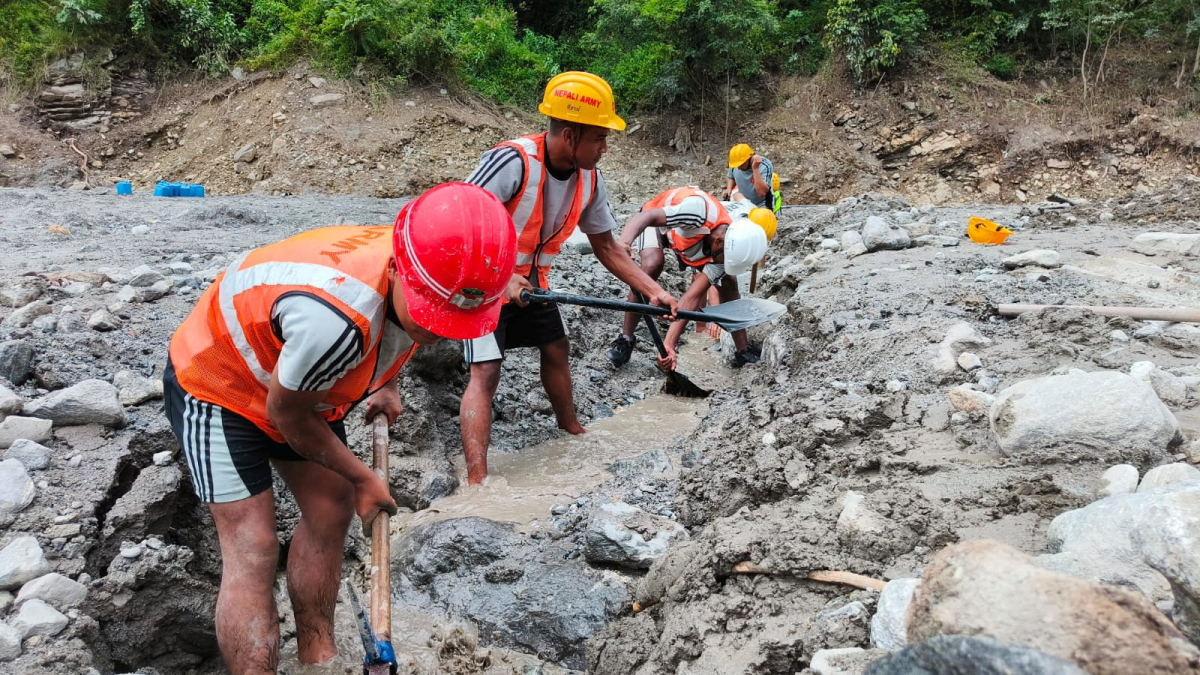
Search operations are continuing inside tunnels linked to hydropower projects, where workers are believed to be trapped.
An army officer involved in the operation said experts from India, South Korea and China were assisting with searches of all affected tunnels.
“The search-and-rescue operation will continue as long as there is any hope of finding survivors. Even if there are no survivors, we will recover the dead bodies,” the officer said.
A South Korean rescue team equipped with drones, rescue dogs, acoustic equipment, video cameras and thermal imaging technology has established a base in Batar, near the Upper Trishuli-1 hydropower plant.
Nine South Korean workers remain missing at the site, according to South Korea’s Yonhap news agency.
Thousands struggle to return to normal life
Authorities are also trying to restore basic services in disaster-hit districts.
“People have lost everything. They don’t have citizenship IDs or passports,” said Phanindra Paudel, an official at Nepal’s National Emergency Operation Center.
Officials are particularly focused on helping children return to education, including through temporary classes in makeshift centres.
UNICEF said more than 22,000 children urgently need access to safe drinking water, sanitation and hygiene support more than a week after the floods.
“Our priority is to restore normal life. We are considering if children can be taught in the holding centres till the time regular classes resume,” Paudel said.
Teachers said finding safe buildings for classes remained difficult.
Rajendra Dawadi, a headteacher who helped evacuate around 900 pupils before the flooding reached his school, said the entire school building had been washed away.
“We are looking for safe, empty buildings or other schools where we can resume classes. The school building was completely washed away, so we will have to build a new one in a safer location,” he said.
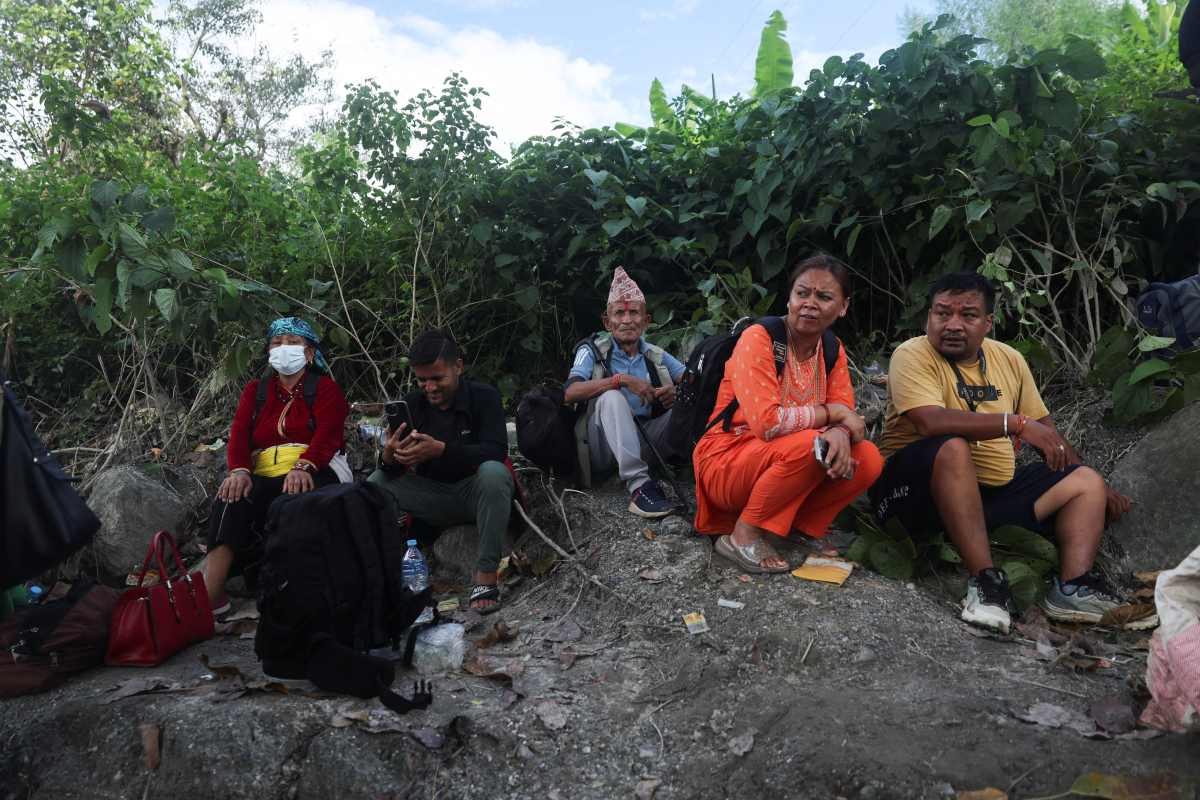
Many residents who escaped the disaster say they cannot return to their former homes.
Shanti Sunar, 45, survived with her husband but lost both her house and the small shop she operated.
“I have been visiting the site almost every day. I can recognise where our house stood, but there is no trace of it now,” she said.
Sunar said she continued returning to the area in the hope of finding gold and jewellery that the family had been unable to take while fleeing.
“We cannot rebuild at the same location because it is not safe. I expect the government to relocate us to a safer place,” she said.
Nepal also plans to rebuild an early-warning system for landslides along its side of the border with China.
Two Nepalese government sources told Reuters that the system would include seismic sensors, cameras and a satellite communications link, as authorities seek to reduce the risk from future disasters.
















What is your opinion on this topic?
Leave the first comment