In Nepal's Chitwan district, a region better known for its forests, wildlife and pilgrimage sites, authorities are carrying out mass burials for hundreds of victims of the country's devastating glacier-triggered floods as the scale of the disaster continues to unfold.
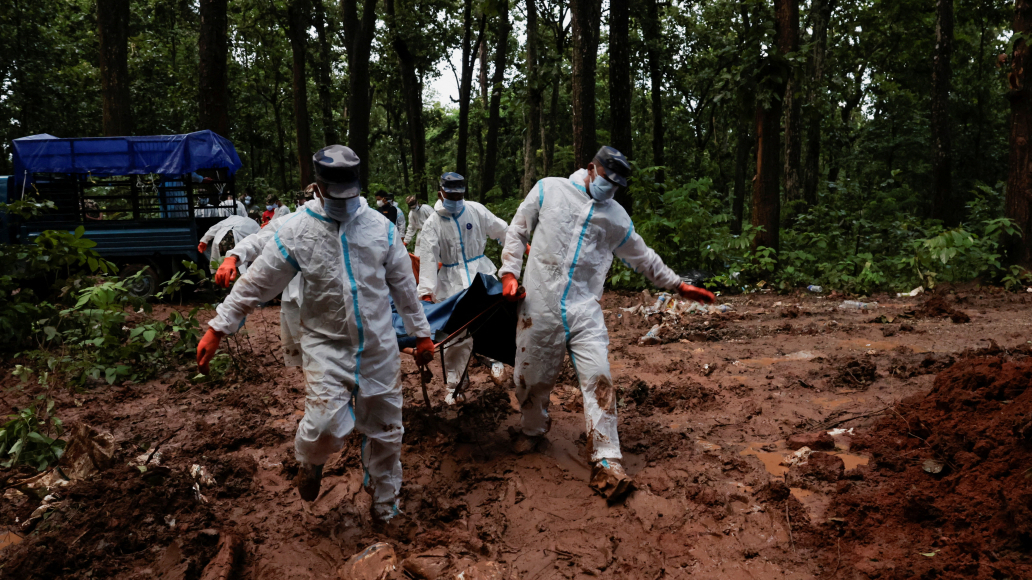
Officials have turned part of the Devghat forest into a temporary burial site for bodies recovered far downstream from the mountainous areas where the catastrophe struck earlier this week.
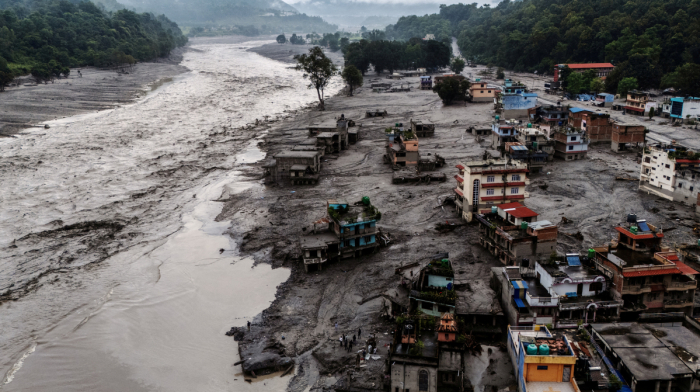
Many of the victims were swept nearly 200km from the flood-ravaged valleys of Rasuwa district, near the border with China, where a sudden torrent tore through communities on Wednesday.
Authorities said 96 unidentified bodies were buried on Saturday, while more than 100 others were expected to be laid to rest on Sunday as recovery teams continued to retrieve remains from rivers and debris fields.
Death toll rises as thousands remain missing
The disaster has left around 750 people dead, with more than 3,000 others still reported missing after a flash flood triggered by a glacial collapse surged through Himalayan valleys.
As hopes fade of finding additional survivors, attention has increasingly shifted towards recovering victims and identifying the dead.
Officials say the condition of many recovered bodies has complicated that effort. Days spent in floodwaters have left numerous victims beyond visual recognition, forcing authorities to adopt a systematic process of documentation and burial.
"We were left with no other option," said Ganesh Aryal, chief district officer of Bharatpur in Chitwan. He said the rapid decomposition of bodies had created growing public health concerns.
Identification efforts continue despite challenging conditions
Nepalese authorities say extensive records are being kept for every unidentified victim.
Each burial site has been carefully mapped and marked, while DNA samples have been collected from recovered bodies to allow future identification. Officials say remains can be exhumed if family members later come forward and genetic testing confirms a match.
The identification effort has drawn international support. India has sent forensic specialists to assist with DNA analysis, while Nepal is also coordinating with experts from China.
Around 100 rescue workers, police officers and government officials have been involved in the process, photographing remains, collecting samples and helping relatives searching for missing family members.
Hospitals and morgues overwhelmed
The scale of the disaster is placing severe strain on local facilities.
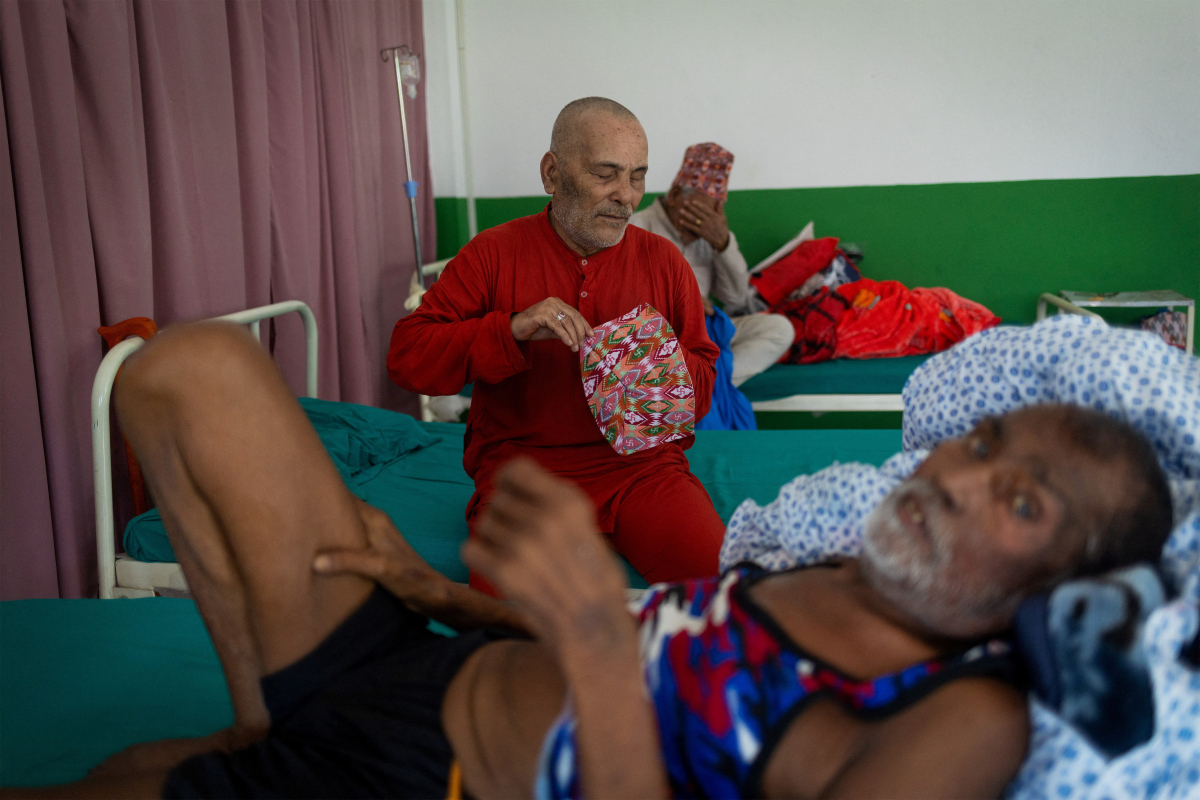
At Bharatpur Hospital, mortuary capacity has been pushed far beyond its intended limits. A facility designed to hold around 50 bodies is reportedly handling more than twice that number as recovery teams continue to bring in victims.
Police overseeing the operation say many bodies show advanced decomposition.
"Of the bodies we have recovered so far, more than half are beyond recognition," Inspector Anil Thapa told Reuters. "Many have no visible faces."
Temporary storage centres have been established across the district to cope with the influx. In one converted building, body bags were stacked on bunk beds while air conditioning units and dry ice were used in an effort to slow the decomposition process.
Families search desperately for loved ones
Elsewhere in Chitwan, hundreds of relatives have gathered in the hope of learning the fate of missing family members.
The Chitwan Expo Centre has become a focal point for grieving families, many of whom have travelled long distances carrying luggage and personal belongings after hearing that recovered victims may be identified there.
Officials are preparing photographic records of bodies to help relatives make visual identifications where possible. However, the backlog of cases has left many families waiting for answers.
Outside temporary identification centres, aid workers, police officers and Red Cross volunteers are providing registration services and support to those searching for missing loved ones.
Recovery teams face an immense task
The steady arrival of bodies continues to underscore the scale of one of Nepal's deadliest natural disasters in recent years.
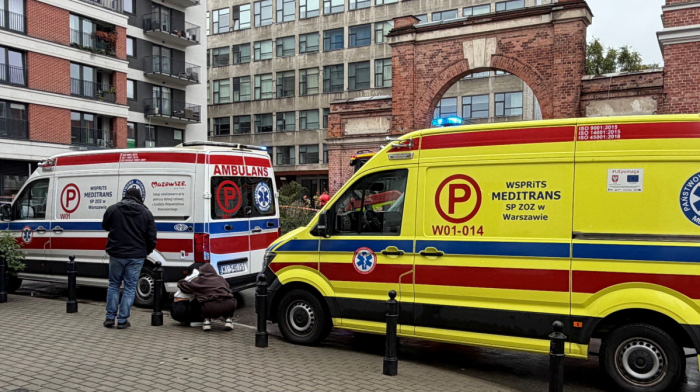
Vehicles carrying victims arrive throughout the day, while ambulances queue outside overcrowded facilities awaiting space to unload recovered remains.
For those involved in the operation, the emotional and physical toll is growing.
"Once I come here to work, I am unable to think about food," Inspector Thapa said. "Forget eating, I don't even feel like drinking water."
With thousands still unaccounted for, recovery operations remain in full swing across the affected regions. Authorities face the dual challenge of recovering victims from difficult terrain while providing answers to families desperate for news of missing relatives.


















What is your opinion on this topic?
Leave the first comment