The United States has imposed 50% tariffs on a range of Canadian goods after Washington and Ottawa failed to reach a new trade agreement, with both sides accusing the other of derailing negotiations at the final stage.
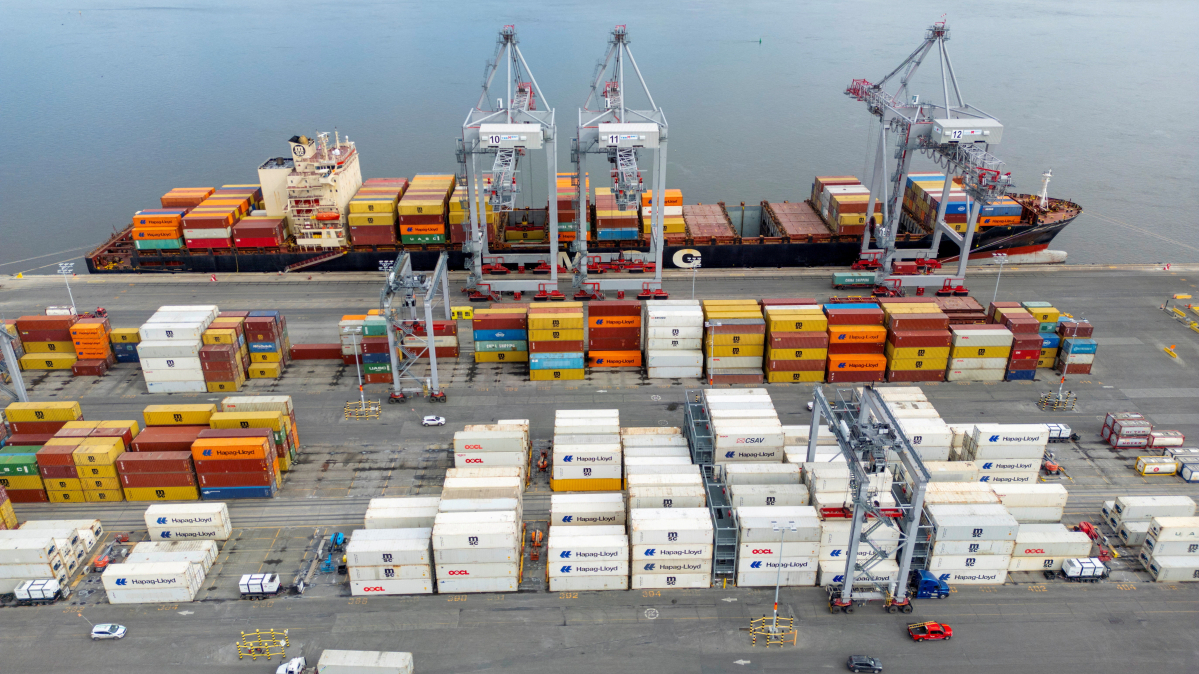
The new duties came into force just after midnight (0400 GMT) on Saturday and apply to around $20 billion worth of Canadian products that do not qualify for preferential treatment under the United States-Mexico-Canada Agreement (USMCA).
Although the affected goods represent just over 5% of Canada's exports to the United States, the decision marks a significant escalation in trade tensions between U.S. President Donald Trump and Canadian Prime Minister Mark Carney.
Canada suspends negotiations and vows retaliation
Carney announced that Canada had suspended trade negotiations with Washington and said Ottawa would respond to the new tariffs on a "dollar-for-dollar" basis.
"I have decided to suspend trade negotiations with the U.S. and have directed Canada’s negotiators to return to Ottawa," Carney said in a statement.
He said Canadian negotiators had worked "in good faith" to defend the country's interests until the final stages of the talks.
However, Carney accused Washington of making last-minute changes to its proposed terms, describing them as "unfair" and "uneconomic" and saying they raised questions about the reliability of any potential agreement.
The Canadian prime minister, who previously headed both the Bank of Canada and the Bank of England, was elected in 2025 after promising to take a firm stance in dealings with Trump. Polls show that most Canadians oppose making concessions to the U.S. president.
Deal had appeared within reach
Only hours before the negotiations broke down, the two countries appeared to be close to reaching an agreement.
Sources said the potential deal could have reduced tariffs on Canadian steel, aluminium and vehicles, while also possibly allowing U.S. alcoholic beverages to return to Canadian liquor stores.
However, U.S. Trade Representative Jamieson Greer said Canada ultimately refused to finalise the agreement under terms that Washington believed had already been settled.
"Tonight, Canada declined to finalise the trade deal under the terms agreed earlier this week," Greer said during a White House briefing.
He described the outcome as a "missed opportunity" for Canada to strengthen its economic partnership with the United States.
A senior Trump administration official said Washington's proposal would have given Canada the most favourable tariff conditions offered to any major exporter to the U.S.
According to the official, Ottawa sought further concessions, particularly on steel, aluminium, vehicles and softwood lumber.
No further negotiations have been scheduled.
Vulnerable Canadian industries face pressure
The tariffs cover products that do not receive preferential treatment under the USMCA and could place additional pressure on Canadian industries already struggling with existing U.S. trade restrictions.
Trump had previously threatened tariffs on a broad range of Canadian imports, including wine, furniture, dairy products, cement, clothing, fishing rods and hockey equipment.
Trade experts have warned that some sectors could face significant damage as a result of the higher duties, potentially leading to job losses and business closures.
The latest measures also add to existing U.S. tariffs on Canadian steel, lumber and vehicles. Those industries have already suffered considerable disruption during the past 18 months, although the broader Canadian economy has so far avoided the worst effects.
Broader North American trade talks could become harder
The escalation comes ahead of wider negotiations over the future of the USMCA, the free-trade agreement linking the United States, Canada and Mexico.
The latest dispute between Washington and Ottawa could make those negotiations more difficult, particularly as the two governments remain divided over tariffs affecting several major Canadian industries.
The breakdown followed three days of discussions in Washington between Canada's minister responsible for trade with the United States, Dominic LeBlanc, and Greer.
The dispute adds further uncertainty ahead of negotiations over the future of the USMCA.

















What is your opinion on this topic?
Leave the first comment