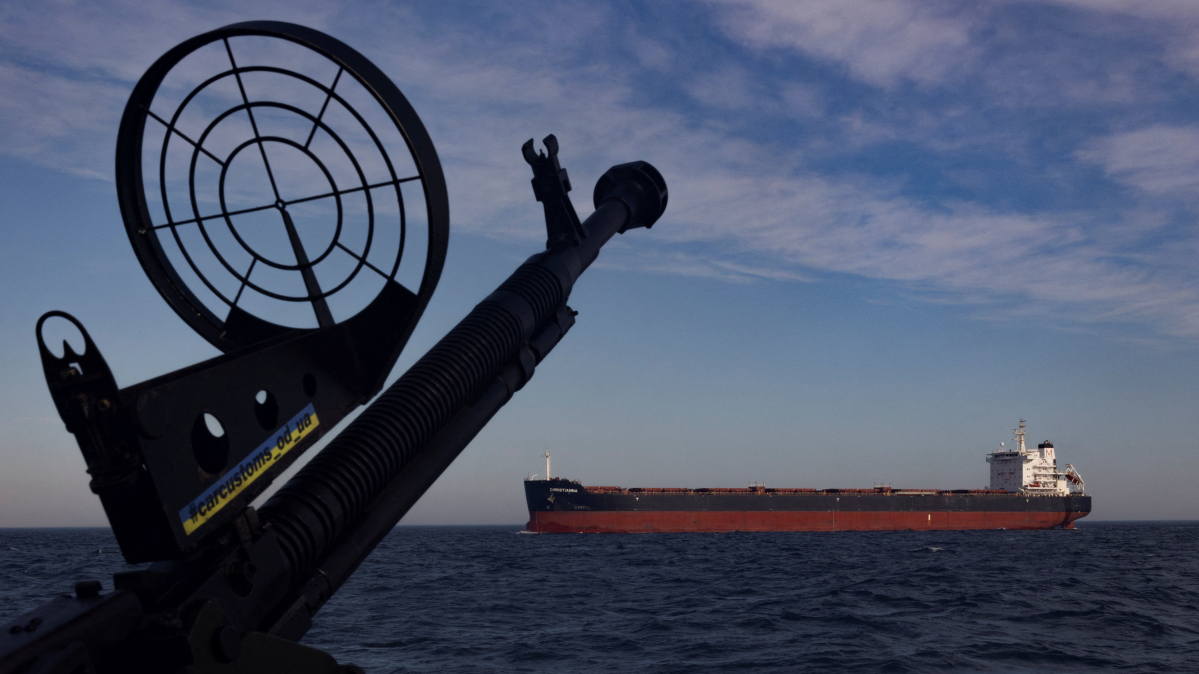
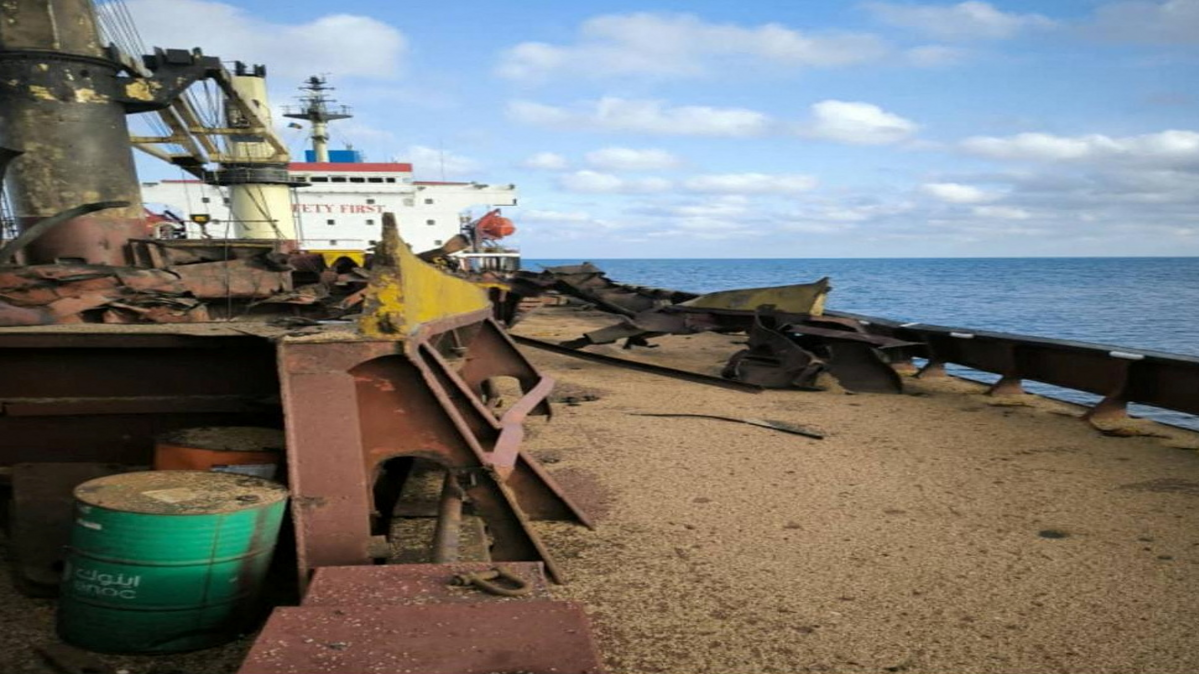
Escalating attacks on Black Sea ports, cargo vessels and export infrastructure have crippled a vital global grain trade route, threatening supplies to food-importing nations and driving prices higher.
Russia and Ukraine, two of the world's largest agricultural exporters, have effectively lost more than 97 per cent of their grain export capacity in the Black Sea and Sea of Azov compared with last season, according to Reuters calculations based on official data and industry estimates.
Together, the two countries exported an average of 7.2 million tonnes of grain per month through Black Sea and Sea of Azov terminals during the previous marketing season. That trade has now been almost entirely halted.
Ports fall silent
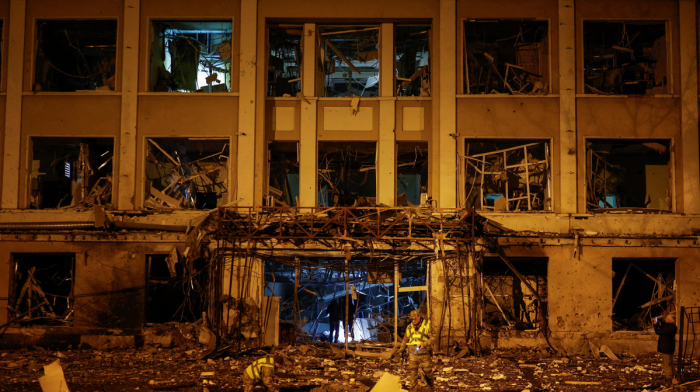
Ukraine's major Black Sea ports have stopped grain shipments, while most of Russia's largest grain terminals have suspended operations following a series of attacks.
Industry sources say the only Russian grain export facility still officially operating is a small terminal in Tuapse, with an estimated monthly capacity of 160,000 tonnes - a fraction of usual export volumes.
Several major Russian facilities have been hit. Trade sources said operations at key Novorossiysk terminals, including NZT and NKHP, had been halted following Ukrainian drone attacks. Russia's largest grain terminal, KSK, also suspended grain deliveries and exports, while operations at the Taman grain terminal were halted.
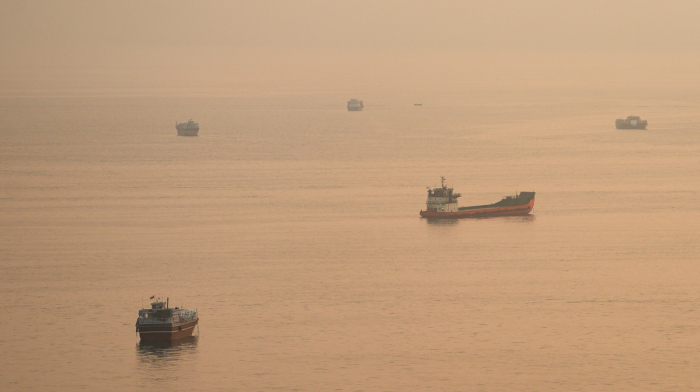
In Ukraine, grain exports through the key Odesa port hub effectively ground to a halt at the end of July. Ukrainian officials said no new vessel arrivals had been recorded there by mid-August.
"At present, civilian shipping in the Black Sea has virtually ground to a halt," said Yevgeny Karabanov, head of the analytical committee of Kazakhstan's Grain Union.
Wheat prices climbing
The shutdowns are already hitting global agricultural markets.
Benchmark wheat prices have risen by about 6.5 per cent this month and are now roughly 30 per cent higher than a year ago, as concerns mount over supply disruptions.
Countries across the Middle East, Africa and Asia that depend on Black Sea grain may increasingly have to turn toexporters such as the U.S. and Australia, where grain is generally more expensive.
Strong harvests and existing stockpiles have allowed some buyers to delay purchases, but traders say pressure is mounting to secure future supplies, with no signs of de-escalation in the region.
Alternative routes offer limited relief
Ukraine continues to export grain through alternative routes, but officials acknowledge they cannot fully replace Black Sea shipping.
Around 45 per cent of Ukrainian grain exports now move by rail through Eastern Europe, while another 45 per cent are shipped via Danube ports. The remaining 10 per cent travels by road.
Ukrainian Agriculture Minister Taras Vysotskyi has said the country may only be able to achieve around 50 per cent of its export potential if Black Sea ports remain blocked.
Russia can reroute some exports through ports on the Baltic and Caspian seas and in the Far East, but these routes involve longer transport distances and additional logistical challenges.
Exports drop to multi-year lows
The impact is already being reflected in export forecasts.
Analysts at Rusagrotrans estimate that Russia's wheat exports in August will total just 1.8 million tonnes, the lowest volume for the month since 2010.
The Black Sea region has long been a crucial supplier of wheat, maize and other staple crops to global markets. With exports from both Russia and Ukraine sharply reduced, buyers face higher costs and fewer shipping options.
Unless maritime trade routes reopen, the disruption is expected to continue reshaping global grain flows while putting further pressure on agricultural markets worldwide.





















What is your opinion on this topic?
Leave the first comment