




11:16 CET
Nuclear security
Georgia arrests man over attempted $700,000 uranium sale
Georgia has detained a man ...
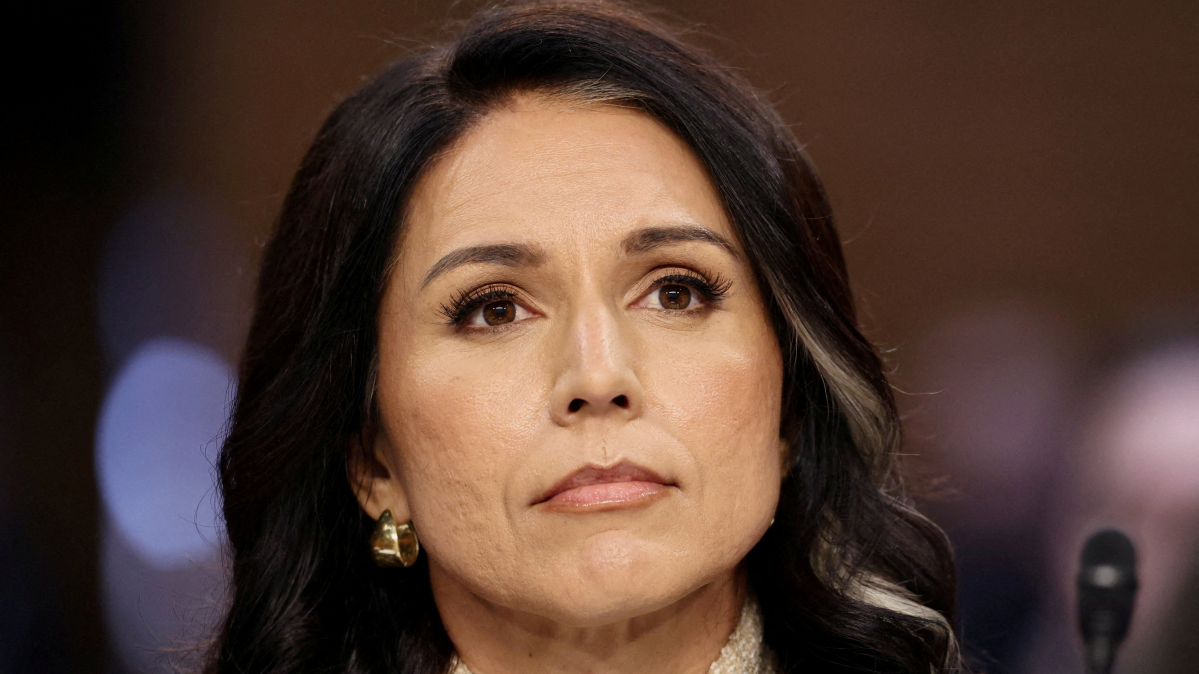


Tulsi Gabbard has announced she is stepping down as Director of National Intelligence under President Donald Trump, citing her husband’s recent diagnosis with a rare form of bone cancer and her decision to support him through treatment.
In a resignation letter posted on X, Gabbard said she could not remain in such a demanding role while her husband, Abraham Williams, faced a serious health battle.
“I cannot in good conscience ask him to face this fight alone while I continue in this demanding and time-consuming post,” she wrote, adding that she was “deeply grateful for the trust you placed in me and for the opportunity to lead the Office of the Director of National Intelligence for the last year and a half.”
The resignation is set to take effect on 30 June.
A White House spokesperson, Davis Ingle, said on X that Gabbard was stepping aside due to her husband’s illness, describing her as “an America First patriot who has served this country faithfully and extremely well over the last 16 months”.
President Trump also paid tribute, saying Gabbard had done “a great job” and acknowledging her decision to step back to support her husband. He confirmed that Principal Deputy Director of National Intelligence Aaron Lukas would serve as acting director once her departure takes effect.
However, a source familiar with the matter told Reuters that Gabbard had been pushed out by the White House, adding: “The White House has been unhappy with her for quite some time.”
While the official line has focused on personal circumstances, multiple reports have pointed to tensions between Gabbard and senior figures in the administration.
President Trump had previously suggested differences in approach, including in March when he said she was “softer” on Iran compared with his stance on limiting Tehran’s nuclear ambitions.
Sources also told Reuters in April that Gabbard was at risk of losing her position amid a wider cabinet reshuffle. A senior White House official said at the time that the president had expressed dissatisfaction with her performance in recent months, and had consulted allies about possible replacements.
Some officials described a deeper breakdown in relations. One source told Reuters that Gabbard had been “pushed out by the White House”, adding that “the White House has been unhappy with her for quite some time”.
Among reported areas of friction were the activities of her Director’s Initiatives Group, which worked on issues including declassifying material related to the death of former President John F. Kennedy, reviewing election machine security, and examining the origins of COVID-19.
Another point of contention, according to sources, was her decision last August to revoke the security clearances of 37 current and former US officials — a move that reportedly led to the exposure of an undercover intelligence officer’s identity.
Democratic Senator Mark Warner, speaking after an event in Virginia, said the role had become increasingly politicised.
“This position now more than ever needs to be an independent, experienced intelligence professional,” he said, adding that the Director of National Intelligence should focus on foreign intelligence rather than domestic political matters.
President Trump confirmed that Aaron Lukas will serve as acting Director of National Intelligence following Gabbard’s departure.
In his statement, Trump said she had been managing a “tough battle” at home and wished her family well as they navigate her husband’s illness.
Gabbard’s resignation marks the end of a turbulent period in one of the U.S. government’s most sensitive security roles, with her tenure shaped by both policy initiatives and political controversy.

Georgia has detained a man ...
Azerbaijan and the five Central Asian states have signed two key documents at the 8th Consultative Meeting of Heads of State in Turkmenbashi, forma...
U.S. Vice President JD Vance told Reuters on Monday (5 October) that ...

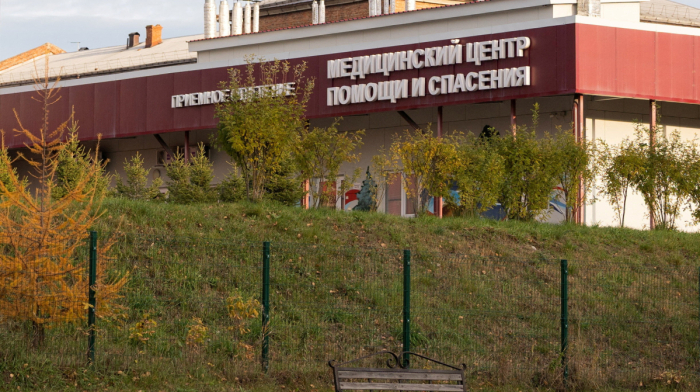
Russia's health watchdog said on Tuesday that no cases of plague had been detected among anyone who had come into contact with a Siberian plague institute laboratory worker who died last week, and locals said their lives had barely been disrupted.
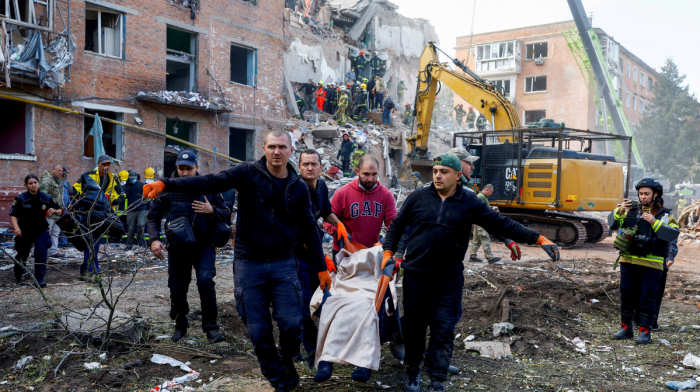
Russia struck Ukraine overnight in one of the biggest attacks of the conflict, killing at least 19 people, Kyiv's Foreign Ministry said on Wednesday. Around 70 missiles were fired at Ukraine during the attack, as well as drones, the Ministry said.

The Saudi-led coalition says it has carried out a series of military operations against Houthi targets in Yemen after attacks on two Saudi airports left three people dead and dozens injured.
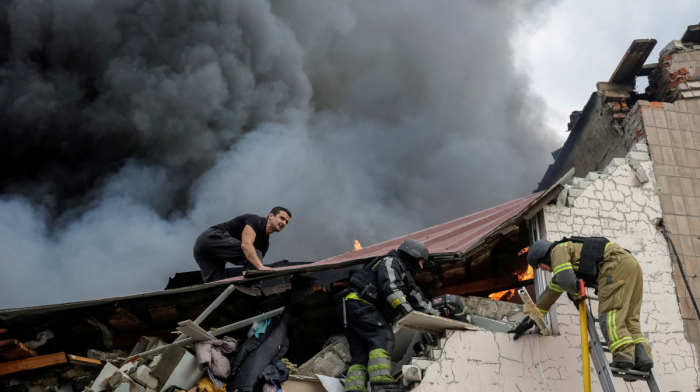
A large Ukrainian drone attack on Moscow and the surrounding region has killed two people, damaged homes and sparked a major fire at a key fuel facility, according to Russian officials and military bloggers.
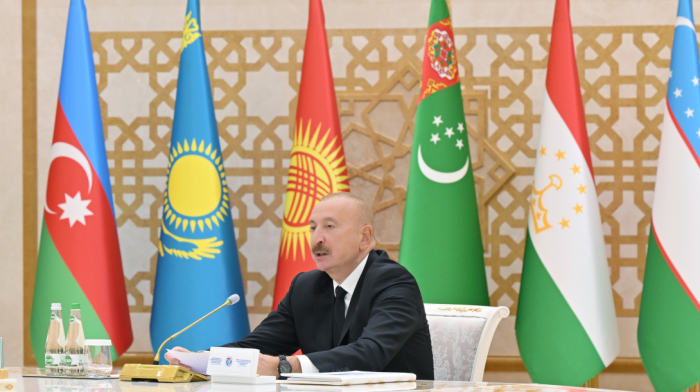
Azerbaijan and the five Central Asian states have signed two key documents at the 8th Consultative Meeting of Heads of State in Turkmenbashi, formalising a broader framework for regional cooperation in transport, trade, energy, digitalisation and security.

It started with classrooms. Too many students, not enough teachers, deteriorating buildings and growing anxiety over what comes after high school. But within weeks, a movement that began outside French lycées had spread across the country.

Iran says it will deliver its response to recent U.S. proposals through intermediaries, underscoring that communication between the two countries continues indirectly alongside ongoing diplomatic efforts to reduce tensions.

International cooperation, lunar exploration and the growing role of artificial intelligence dominated the third day of a major astronautical conference now underway in Antalya.
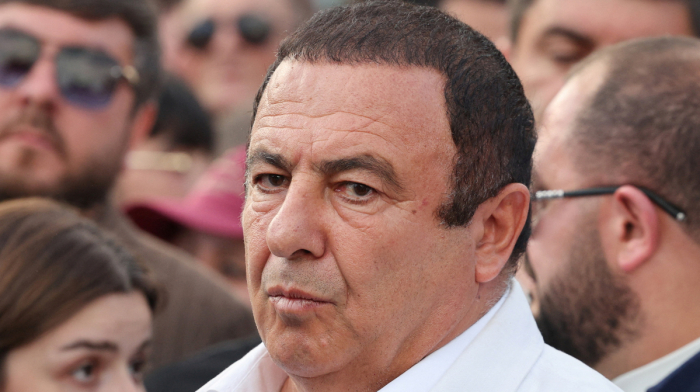
Armenian authorities have frozen a wide range of assets belonging to billionaire businessman and opposition politician Gagik Tsarukyan as part of proceedings linked to the confiscation of property allegedly acquired illegally.

Azerbaijan has sent another batch of humanitarian aid to Ukraine, consisting of electrical equipment vital for restoring the country’s energy infrastructure and preparing for the winter season.
You can download the AnewZ application from Play Store and the App Store.




What is your opinion on this topic?
Leave the first comment