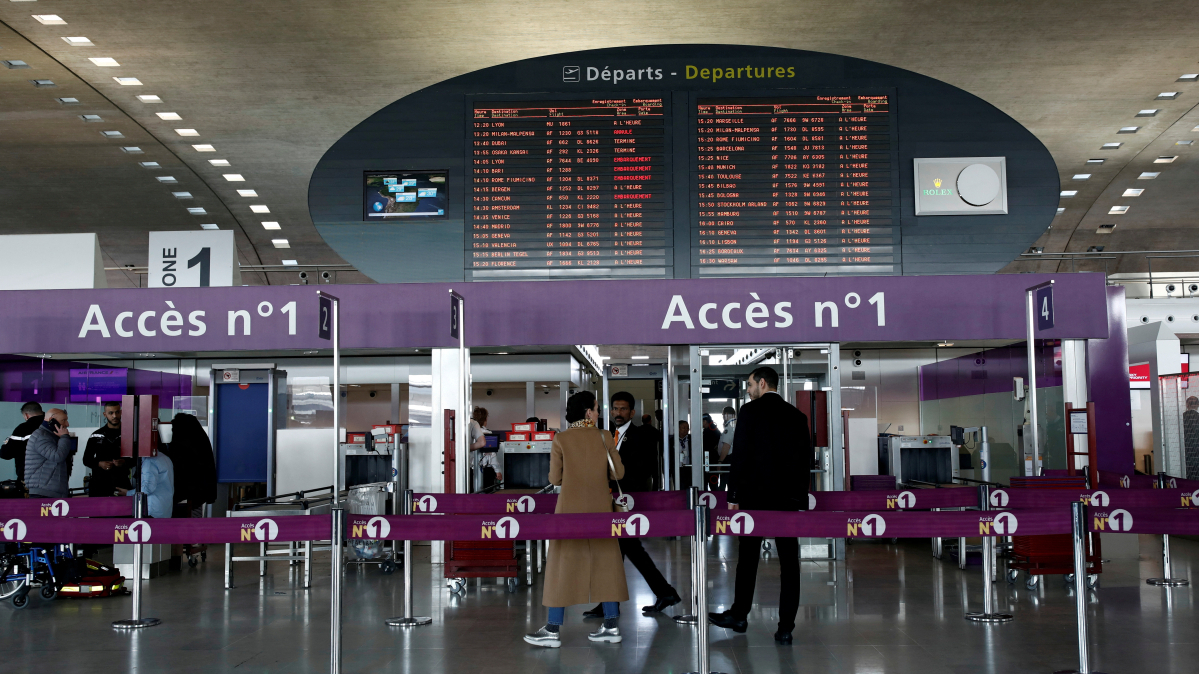
European Union countries have agreed to maintain the current three-hour threshold for flight delay compensation in the bloc’s upcoming update to air passenger rights, preserving one of the most recognisable protections for travellers.
The decision, confirmed by a senior EU diplomat, also includes new proposals aimed at improving transparency over airline fees, particularly charges for carry-on luggage.
The 27 member states will now submit their position to the European Parliament, which is expected to begin reviewing the package from Monday.
Long-running reform battle reaches new stage
The proposal is part of a broader reform of EU air passenger rights first introduced by the European Commission more than a decade ago. However, negotiations have repeatedly stalled due to deep disagreements between EU institutions and stakeholders.
At the centre of the dispute is how far passenger protections should go, and how much flexibility airlines should be granted to manage costs and competitiveness.
Compensation threshold remains unchanged
Under current EU rules, in place since 2004, passengers are entitled to compensation ranging from €250 to €600 ($289 to $694) if their flight arrives more than three hours late, depending on the distance travelled.
The European Commission had proposed raising the threshold to four hours, arguing it would ease pressure on airlines. Member states, however, rejected the change and opted to maintain the existing three-hour rule.
Some governments had also pushed for a cap of €500 ($579) on compensation levels, but this was not adopted.
Airlines vs consumer groups
The issue has long divided airlines and consumer protection organisations.
Airlines have argued for greater flexibility, saying stricter compensation rules increase operational costs and reduce competitiveness. Consumer groups, meanwhile, insist that current protections are essential and should not be weakened.
By maintaining the status quo, member states have sided with existing consumer protections.
New push for fare transparency on cabin bags
One of the most notable changes in the member states’ position concerns hand luggage fees.
The proposal would require airlines to include cabin bag fees in the base ticket price, improving transparency and making fares easier to compare. Airlines could still offer discounted fares for passengers who choose not to bring carry-on luggage.
The issue has been controversial across the EU, with consumer groups accusing low-cost carriers of misleading pricing practices by charging extra for basic services.
Wider passenger protections preserved
Member states also agreed to retain several existing protections, including:
- Rules ensuring that an accompanying adult can sit next to a child without extra fees
- Requirements for airlines to provide additional support in cases of missed connections
- Restrictions preventing airlines from forcing passengers to use mobile apps for boarding passes
The last point follows criticism of practices introduced by some carriers requiring digital-only boarding passes.
Next steps in EU lawmaking process
The package will now move to the European Parliament, where lawmakers will begin reviewing and potentially amending the proposals.
Further negotiations between the Parliament, member states, and the European Commission are expected before any final legislation is adopted.





















What is your opinion on this topic?
Leave the first comment