Australian police have charged two women linked to the Islamic State group with slavery offences after they returned from Syria, where they had been detained in a refugee camp for more than seven years.
Kawsar Ahmad, 54, and her daughter Zeinab Ahmad, 31, face crimes against humanity charges, including allegations of owning and using a slave in Syria. Police said the offences carry a maximum penalty of 25 years in prison.
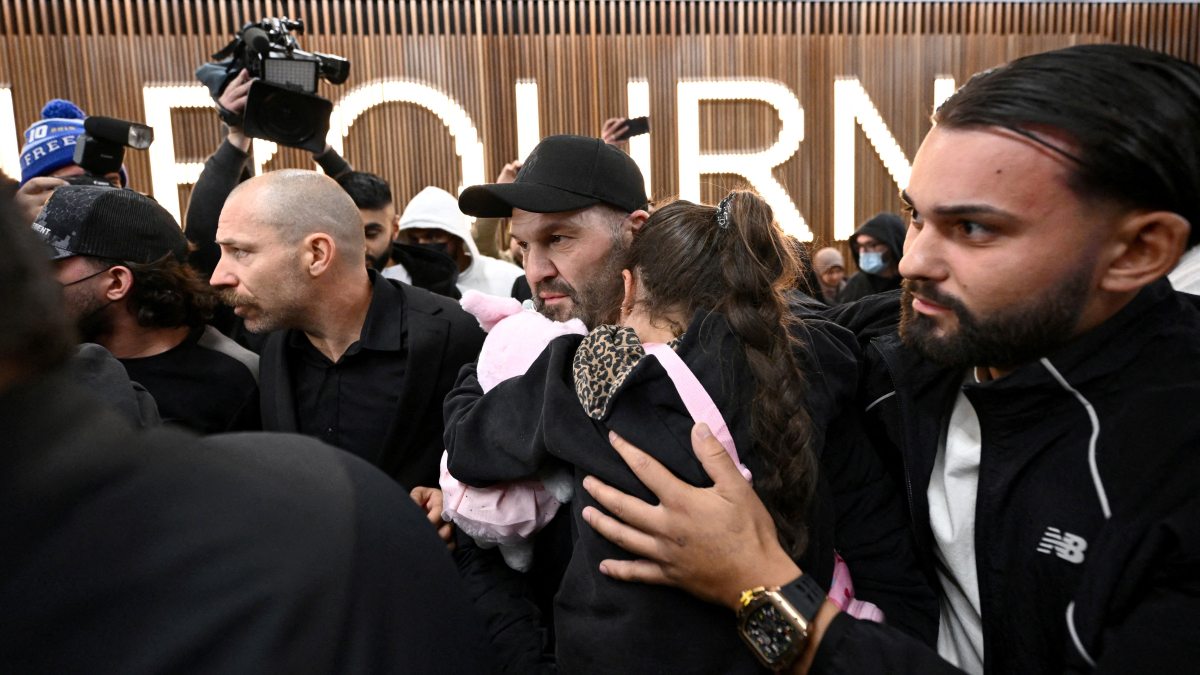
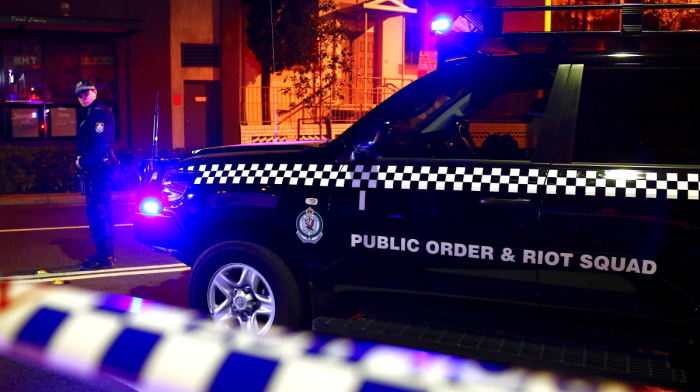
The pair were among four women and nine children who returned to Australia from Syria on Thursday. They were arrested at Melbourne Airport.
“This remains an active investigation into very serious allegations,” Australian Federal Police Assistant Commissioner for Counter Terrorism Stephen Nutt said in a statement.
Police alleged the two women travelled to Syria with their families in 2014 and kept a female slave at their home.
They appeared in court on Friday and will remain in custody until their next hearings on Monday, the Magistrates’ Court of Victoria said.
Separate terror charges filed in Sydney
Separately, Janai Safar, 32, was arrested at Sydney Airport on Thursday and charged with terror-related offences, including allegedly joining Islamic State. The charges carry a maximum prison sentence of 10 years.
Safar was refused bail by a Sydney court on Friday and will remain in custody until her next hearing on 15 July, according to court records.
Earlier this week, the government said a group of 13 women and children planned to return to Australia from Syrian camps without official assistance.
Government defends handling of repatriations
The arrival of the women and children increased pressure on Australia’s centre-left government, with critics accusing it of failing to do enough to prevent their return.
However, the government said there were “very serious limits” on what authorities could do to stop Australian citizens re-entering the country.
“Australian citizens are entitled to Australian passports. They’re entitled to come into Australia,” Prime Minister Anthony Albanese said.
“What we’re entitled to do, though, is to throw the book at them and that’s precisely what we’re doing.”
Albanese said three of the four women who returned were facing serious charges, while the fourth would be monitored.
He later told reporters at a press conference that he had sympathy for the children, who were “victims of decisions that their parents have made.”
Background on ISIS detentions
Following the territorial defeat of the Islamic State group, many relatives of suspected fighters were detained in Syrian camps.
In January, the U.S. began transferring detained ISIS members out of Syria following the collapse of the Kurdish-led Syrian Democratic Forces.
The forces had been guarding around a dozen detention facilities holding fighters and affiliated civilians, including foreign nationals.
The Australian government repatriated four women and 13 children from Syrian camps in 2022. About 21 Australians remain in al-Roj camp, the Australian Broadcasting Corporation reported.













What is your opinion on this topic?
Leave the first comment