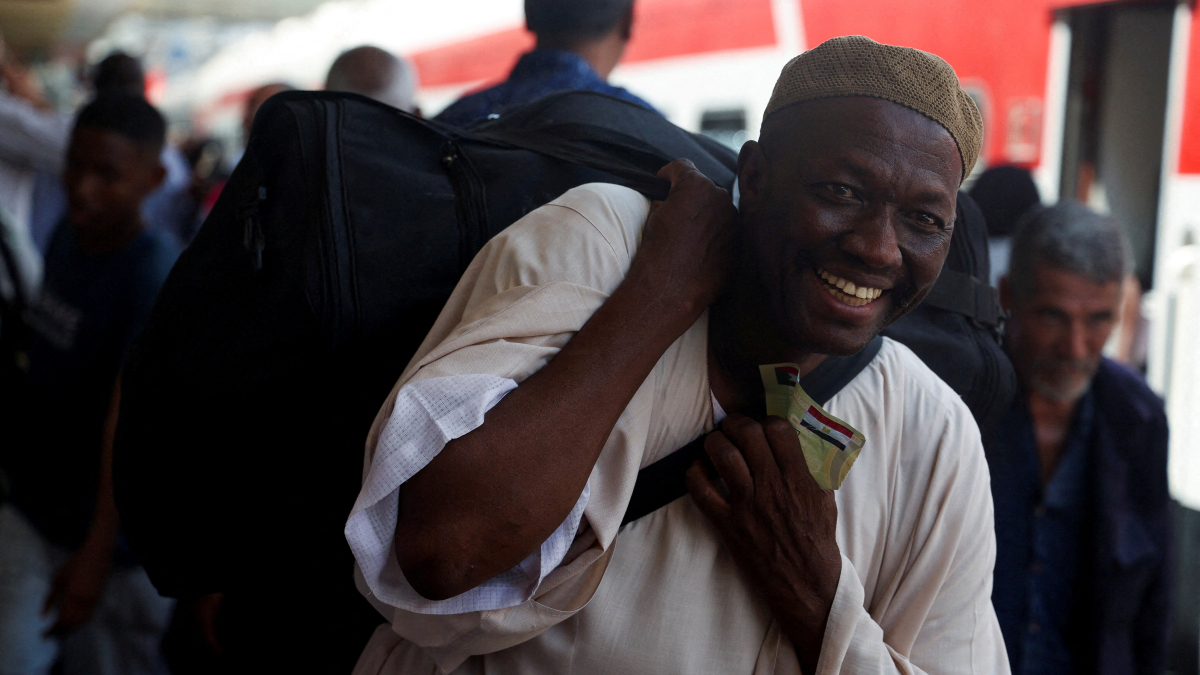
The International Organization for Migration (IOM) warns that nearly four million people have returned to Sudan in recent months, hoping to rebuild their lives, but without urgent investment in basic services and infrastructure, these returns risk becoming unsustainable.
Returns have been concentrated in Aj Jazirah and Khartoum, driven by improved security in some areas, economic pressures, family reunification, and deteriorating conditions for displaced Sudanese both within the country and in neighbouring states.
Strain on services and livelihoods
“For many people, returning home should mark the beginning of recovery. Instead, too often it means confronting destroyed services, damaged homes and new uncertainty,” said IOM Deputy Director General SungAh Lee during a visit to Sudan.
At the height of the conflict, nearly 12 million people fled heavily affected areas, and more than four million crossed into neighbouring countries. Around nine million remain internally displaced, while rising returns are placing fresh pressure on already weakened health, water, electricity and housing systems, particularly in Khartoum.
Agricultural heartland under pressure
In Aj Jazirah, one of Sudan’s most important agricultural regions, returnees face widespread damage to irrigation systems, equipment and infrastructure.
The IOM warned that these disruptions threaten livelihoods and food production at a critical moment, against a broader backdrop of food insecurity and economic turmoil.
Impact on host communities
Eastern, northern and River Nile states, which absorbed large numbers of displaced people during the conflict, continue to face persistent strain on services and resources.
Host communities - many already grappling with economic hardship and climate-related challenges - are carrying increasing social and economic burdens as population movements remain fluid.
Funding cap and uncertain outlook
The IOM said displacement and return are deeply interconnected and require coordinated responses across regions.
While the agency is working with Sudanese authorities to move beyond emergency aid towards recovery and resilience, its 2026 crisis response plan remains underfunded by $97.2 million.
With more than two million additional people expected to return to Khartoum alone this year, the IOM stressed that sustained funding, partnership and coordination will be critical to ensure return movements support long-term recovery and stability.















What is your opinion on this topic?
Leave the first comment