GTA 6 Explained: What sets it apart, how saving works and how long it lasts
Grand Theft Auto VI launched on 19 November after repeated delays, bringing players back to Vice City with a new story, a vast open world and two p...
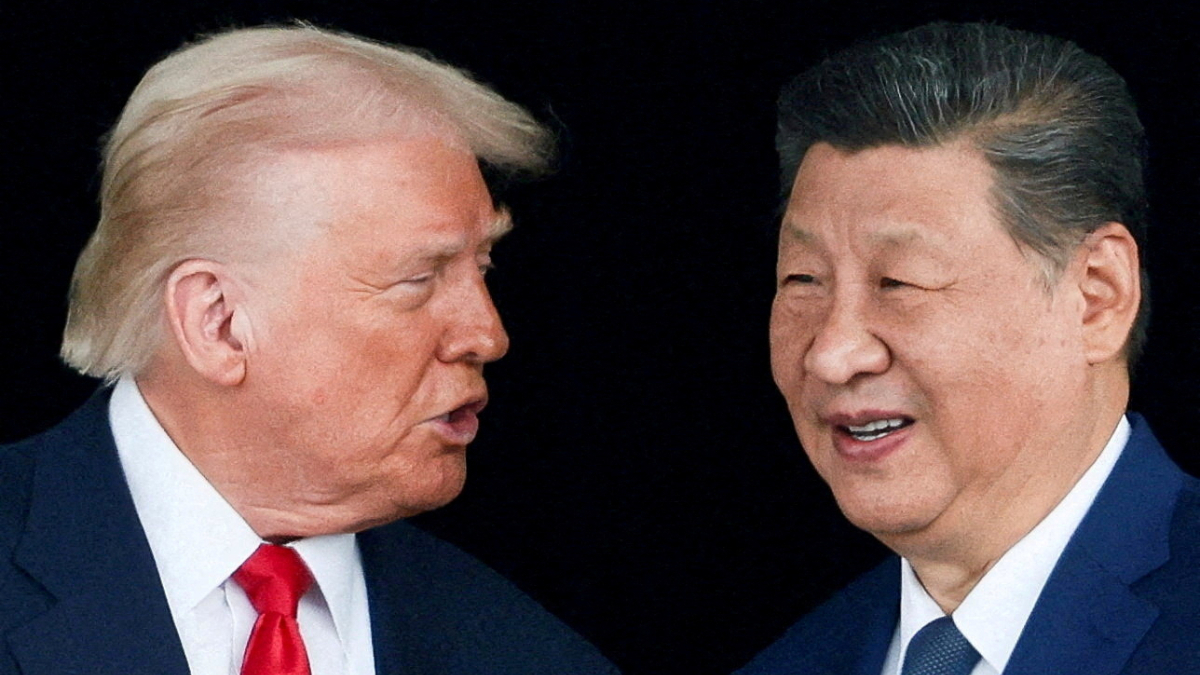
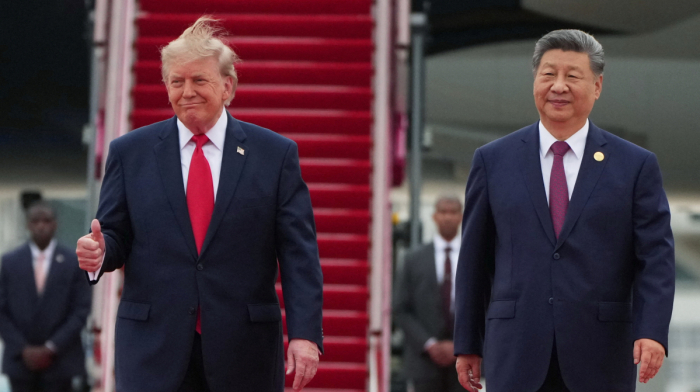
Trade discussions between China and the U.S. are expected to remain virtual for now, with no major investment initiatives planned before a potential meeting between Xi Jinping and Donald Trump, according to U.S. Trade Representative Jamieson Greer.
Speaking on the state of bilateral engagement, Greer indicated that both sides are maintaining communication through online channels as they prepare the groundwork for a possible high-level summit. This cautious approach suggests that while dialogue remains open, neither side is rushing into new economic commitments amid ongoing strategic and trade tensions.
Analysts say the decision to keep talks virtual reflects a wait-and-see attitude in both Washington and Beijing, as they seek to stabilise relations before making any significant policy moves. A potential summit between Xi and Trump is widely seen as a key moment that could shape the direction of future economic cooperation or competition between the world’s two largest economies.
At the same time, China is actively strengthening its economic ties elsewhere. In a separate development, Chinese Premier Li Qiang has called for expanding trade and cooperation with Australia, emphasising the importance of “win-win” outcomes.
Li highlighted the complementary nature of the two economies, noting that deeper collaboration in areas such as resources, agriculture and clean energy could bring mutual benefits. He also stressed the need to maintain stable and open trade channels, particularly at a time of global economic uncertainty.
China and Australia have seen improvements in their relationship in recent years after a period of tension, with trade flows gradually recovering. Beijing’s push to expand cooperation with Canberra is being viewed as part of a broader framework to diversify economic partnerships while managing more complex ties with the U.S.
Experts say this dual approach - maintaining dialogue with the U.S. while strengthening ties with other key partners - shows China’s effort to balance geopolitical risks with economic stability. As global trade dynamics continue to evolve, Beijing appears focused on securing reliable partnerships and promoting steady growth.
With virtual talks ongoing and diplomatic channels active, attention is now turning to whether a future Xi-Trump meeting could unlock new momentum in China-U.S. relations. Until then, China’s outreach to countries such as Australia indicates its intent to keep trade moving forward, even as global uncertainties persist.
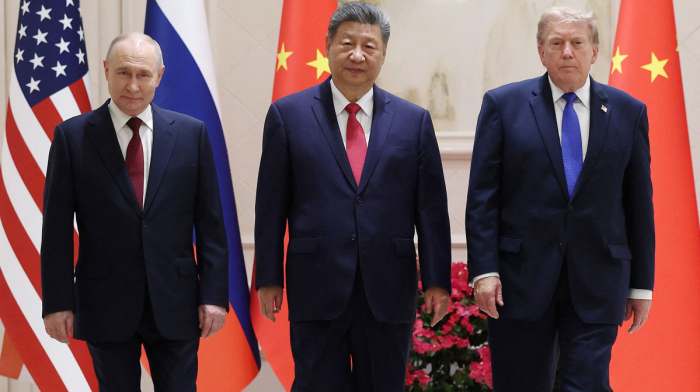
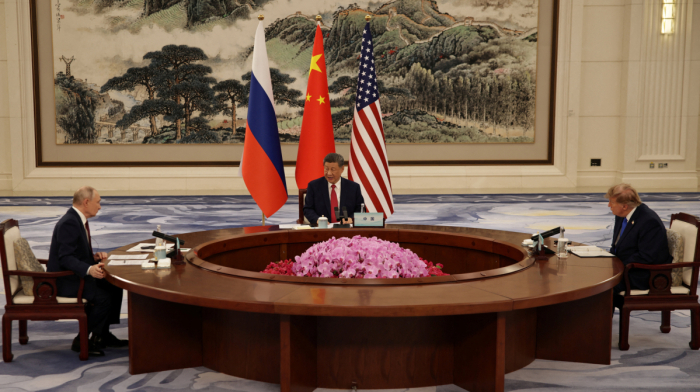
U.S. President Donald Trump, Russian President Vladimir Putin and Chinese President Xi Jinping are holding trilateral talks at the APEC summit in Shenzhen, China, with Ukraine, nuclear arms control and global security on the agenda.
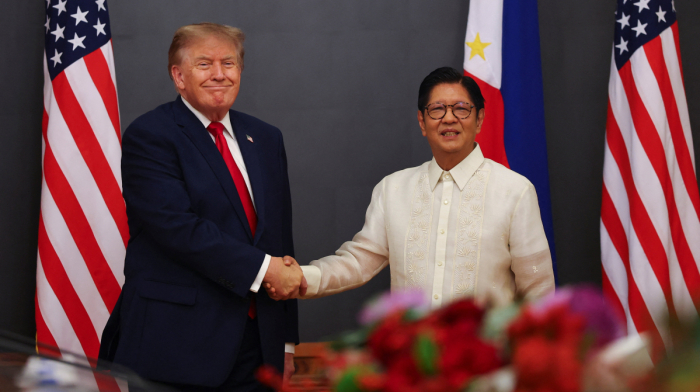
U.S. President Donald Trump concluded his visit to the Philippines on Wednesday, 18 November, after holding bilateral talks with President Ferdinand Marcos Jr. in Manila. Trump had attended the ASEAN Summit gala as guest of honour the previous evening before departing for China.
U.S. President Donald Trump has joined Russian counterpart and leaders from across the Asia-Pacific region in Shenzhen for the 33rd Asia-Pacific Economic Cooperation (APEC) Summit, where trade, economic cooperation and AI are set to take centre stage.
Myanmar's security forces committed genocide against Rohingya Muslims during a brutal military crackdown in 2017 that killed thousands and involved widespread sexual violence, the United Nations' top court ruled on 19 November.
U.S. President Donald Trump, China's Xi Jinping and Russia's Vladimir Putin have issued a joint “declaration of peace” following historic talks in southern China, but stopped short of committing to nuclear arms reductions or addressing the war in Ukraine in their joint statement.
Iran has ruled out resuming international inspections of its nuclear facilities until threats of further U.S. and Israeli attacks are permanently lifted, citing security concerns following strikes in 2025 and 2026.
Russian President Vladimir Putin has vowed retaliation for Ukrainian strikes on the Crimean Bridge, ruling out talks on a possible deal to halt attacks on energy and maritime infrastructure.
When UK Prime Minister Andy Burnham meets the European Union’s leaders in Brussels on Friday (20 November), the agenda will be about trade rules, carbon markets and youth visas. In the background is a larger question: a decade after Britain voted to leave, what has Brexit actually delivered?
U.S. envoys Jared Kushner and Steve Witkoff are travelling to Berlin on Thursday for talks with Ukrainian President Volodymyr Zelenskyy and European leaders on ending Russia's war in Ukraine and securing post-war guarantees for Kyiv.
You can download the AnewZ application from Play Store and the App Store.
What is your opinion on this topic?
Leave the first comment