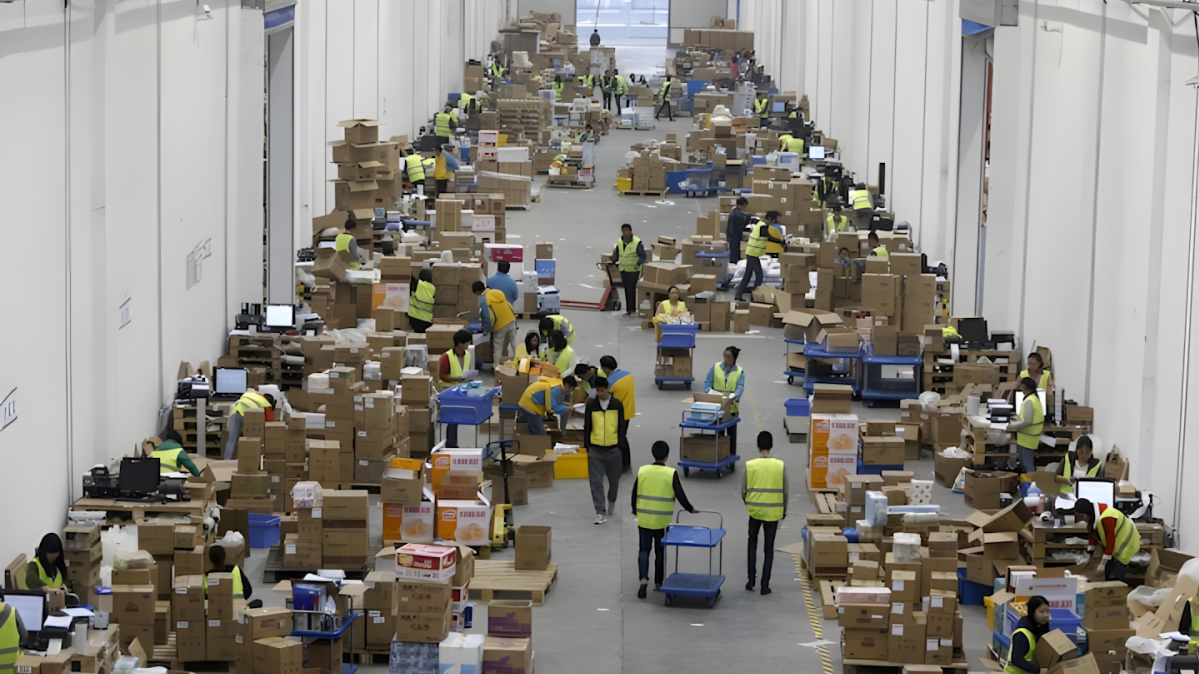
In a move highlighting growing friction between global trade and digital retail, China on Monday issued new guidance for its rapidly expanding e-commerce sector.
The multi-agency directive aims to better align domestic market development with international regulatory expectations. It comes just one week after a delegation of lawmakers from the European Union concluded a tense visit to Beijing focused on unfair competition and product safety.
The visit was highly significant, marking the first official European parliamentary trip to the world’s second-largest economy in eight years. During meetings, EU lawmakers pressed their Chinese counterparts over a surge of dangerous and counterfeit goods entering the bloc via cross-border platforms. They also reiterated long-standing concerns about limited access for European firms to China’s domestic market.
This pressure from Brussels carries considerable economic weight. Last month, the European Union agreed to overhaul its customs system. A central element of the reform is a crackdown on predominantly Chinese e-commerce platforms, which could face multi-million-euro fines if found to have enabled the sale of illegal or unsafe products to European consumers.
Balancing expansion with international standards
The new guidance from Beijing - jointly drafted by the commerce ministry and several other government bodies - appears to be a measured response to these concerns. It calls for a balance between global expansion and stricter domestic oversight, stressing that efficiency must not come at the expense of fairness.
A key component is the creation of dedicated “pilot zones” for cross-border e-commerce. These zones will act as regulatory sandboxes to test new rules and safety standards, while supporting the overseas expansion of Chinese platforms without triggering foreign regulatory backlash.
The guidance also seeks to address European concerns over market access. Officials said China would encourage firms to establish overseas procurement bases, increase imports of high-quality goods, and create an “express lane” for global products entering the Chinese market. The move is intended to counter criticism that China’s e-commerce model primarily serves exports.
A constructive step but no immediate resolution
Despite the scope of the policy, analysts caution that it will not resolve deeper tensions between Brussels and Beijing. Chen Bo, a senior research fellow at the East Asian Institute of the National University of Singapore, described the move as constructive but limited.
He said it could ease short-term operational frictions but is unlikely to address structural disputes. While a comprehensive agreement remains unlikely in the near term, he suggested a more practical interim deal could emerge if both sides remain pragmatic.
"(This policy) actually shows the Chinese commitment to promote its e-commerce in the world, because the EU concern is quite representative. It is also the concern from other leading or developed economies," Chen added, pointing out that Washington and London harbour very similar anxieties regarding Chinese digital retail dominance.
From a diplomatic standpoint, China’s foreign ministry said the EU visit had improved understanding and supported stable ties. However, underlying tensions persist. These include trade imbalances, Beijing’s “no limits” partnership with Russia following the war in Ukraine, and disputes over rare-earth export controls.
For now, the new e-commerce guidance appears to act as a temporary pause in escalating digital trade tensions, giving Beijing time to recalibrate its strategy for an increasingly cautious European market.


















What is your opinion on this topic?
Leave the first comment