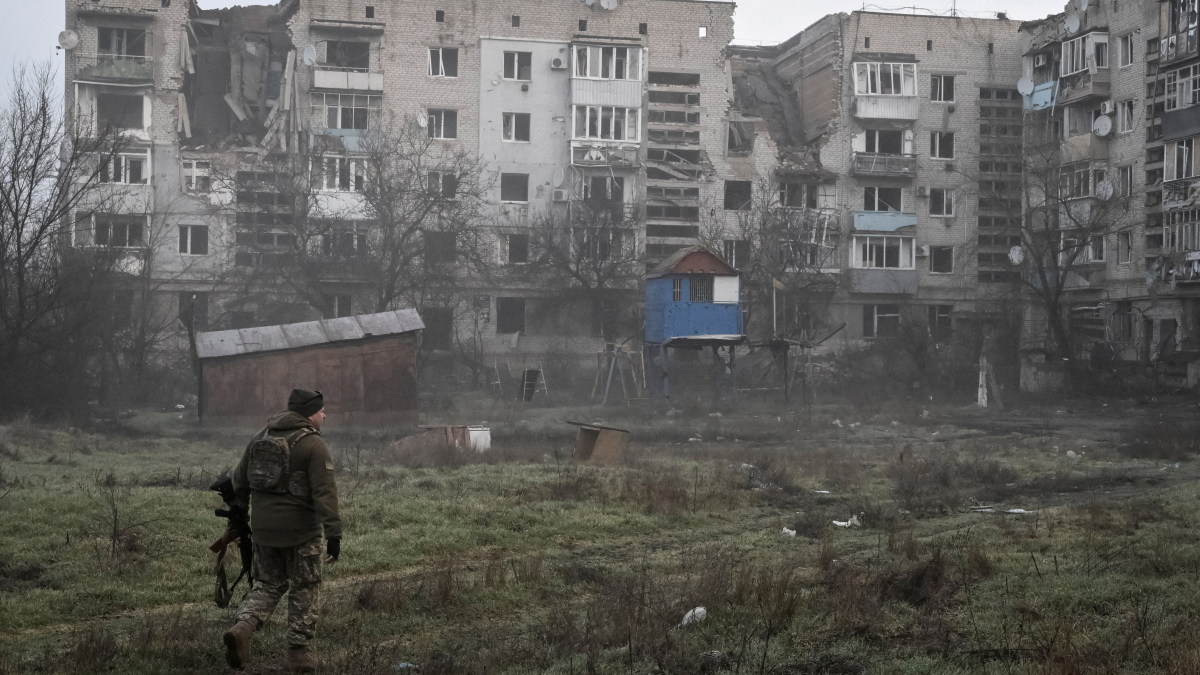
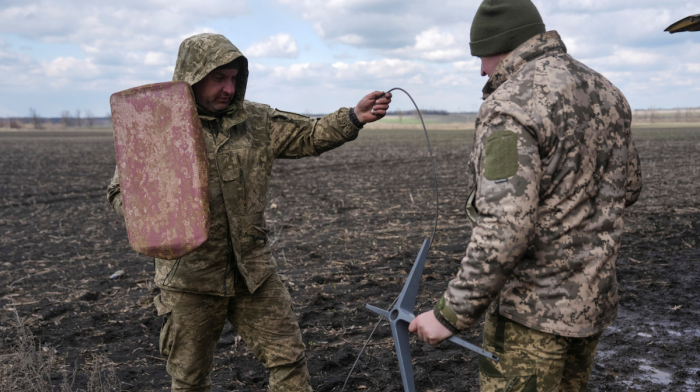
Ukraine has regained control of 480 sq. km (185 sq. miles) of territory in the southeastern and eastern parts of the front since late January, its Army Chief Oleksandr Syrskyi said, adding that Russia was continuing its spring offensive.
After visiting the frontline, Syrskyi said that Ukraine had returned control over eight settlements in the Dnipropetrovsk region in the east and four settlements in the southeastern Zaporizhzhia region.
Despite Ukraine's successes, Russian troops were pressing ahead with a spring offensive, he said.
"Russian troops are not abandoning their plans for further offensive operations and are regrouping their available forces and equipment," Syrskyi said on the Telegram app late on Sunday.
"Despite significant losses in personnel and military equipment, the invaders aim to seize more Ukrainian territory and establish a ‘buffer zone’ in the Dnipropetrovsk region," he said.
The Ukrainian troops maintained defence lines, he added.
Ukrainian President Volodymyr Zelenskyy said last week that the frontline situation for Ukraine was the best since the middle of last year.
Counter attacks disrupt Russian plans
Military analysts said that Ukrainian counter attacks in the southeast of the country were helping to disrupt Russian efforts around Pokrovsk in the eastern Donetsk region, and overall, the Russian spring offensive along more than 1,200 kilometres of the frontline.
"Ukrainian counter attacks in the Hulyaipole and Oleksandrivka directions continue to present the Russian military command with dilemmas that overstretched Russian forces appear challenged to meet," the Washington-based non-profit Institute for the Study of War said in a daily report on Monday.
Russian troops continued to gain ground in the eastern Donetsk region, pressing on in the north of Pokrovsk, a key logistics hub, Russian state media quoted Russia's Defence Ministry as saying last week.
The battle for Pokrovsk has raged on since mid-2024 as Russia seeks to consolidate its control of the Donetsk region.
Syrskyi said he also visited the Pokrovsk area and ordered additional ammunition and other supplies to strengthen the Ukrainian troops there.
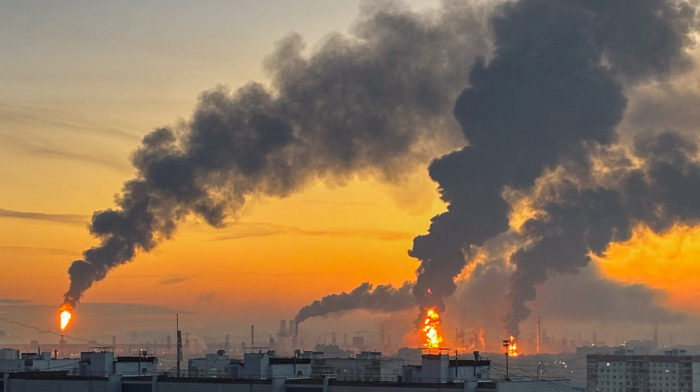
With the diplomatic efforts to end the war stalled, Ukraine has also intensified its long-range strike campaign against Russian oil infrastructure.
Over the past two weeks, Ukrainian troops targeted Russian Baltic sea ports and oil infrastructure in the Leningrad region.
Fighting continues
A Russian drone strike on a city bus killed three people and injured 12 more on Tuesday (7 April) in the city of Nikopol in the eastern Dnipropetrovsk region, Ukrainian officials said.
"It is a devastating blow at public transport. It happened during rush hour, just as people were heading to work," Interior Minister Ihor Klymenko said on the Telegram app.
Meanwhile, Zelenskyy said on Monday that he stood by a proposal made to Russia for a ceasefire contingent on Moscow halting all attacks on energy infrastructure.
Zelenskyy said in his nightly video address that the proposal had been conveyed to Moscow through the U.S. He also said work was continuing with U.S. negotiators on security guarantees, which he called the key to lasting peace.
"If Russia is ready to stop strikes on our energy infrastructure, we will be ready to respond in kind," he said. "This proposal has been conveyed to the Russian side through the Americans."
Zelenskyy offered last week to observe a ceasefire under similar conditions for Easter - in the Orthodox faith dominant in both Russia and Ukraine Easter falls on this coming Sunday.
But following new Russian attacks, he then said Russia had responded to the proposal by deploying Iranian-designed Shahed drones.
Moscow reacted coolly to Zelenskyy's proposal last week, saying it favoured an overall peace deal instead.















What is your opinion on this topic?
Leave the first comment