Port infrastructure in the Ukrainian city of Izmail was damaged in a Russian air attack early on Tuesday (19 May), while Moscow said it intercepted four Ukrainian drones heading towards the Russian capital.
Izmail, home to Ukraine's largest port on the Danube River, has become one of the most frequently targeted strategic locations in southern Ukraine. Local officials said on Telegram that nearly all incoming aerial weapons had been destroyed before reaching their targets.
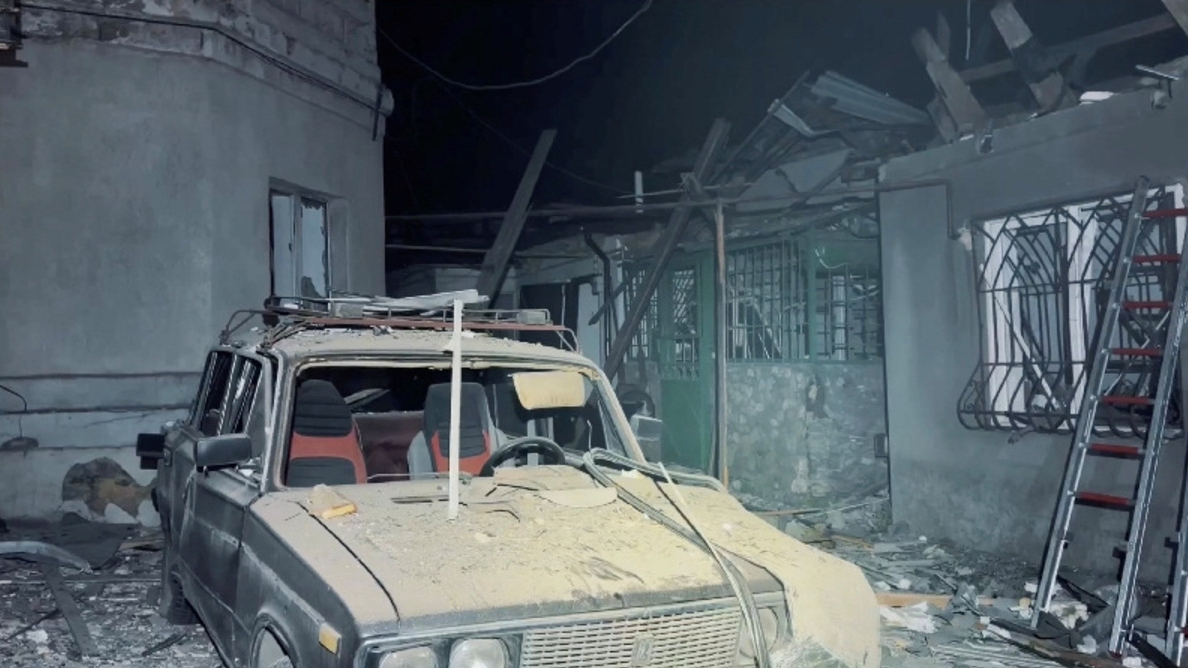
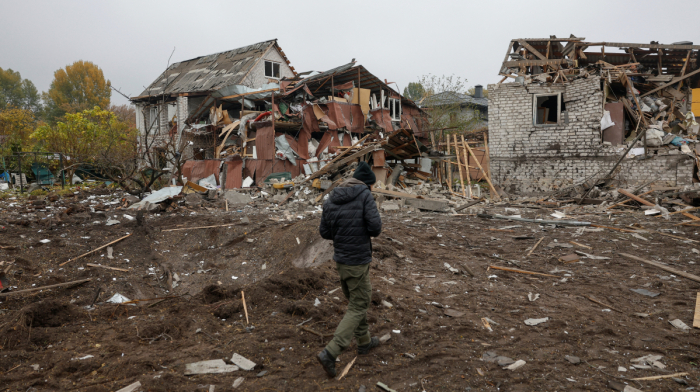
"Port infrastructure facilities in the city of Izmail were damaged. Fortunately, there were no casualties or significant destruction," officials said, adding that firefighters were sent to extinguish a blaze at a building where windows had been blown out.
In the northeastern city of Kharkiv, Ukraine's second-largest city and a frequent target of Russian attacks, Mayor Ihor Terekhov said on Telegram that two people had been rescued from the rubble of a building hit by a Russian drone. One person may still be trapped, he added.
Efforts to end the war, now in its fourth year following Russia's full-scale invasion in February 2022, remain stalled. Both sides have accused each other of targeting military, civilian and energy infrastructure, while denying deliberately attacking civilians.
Drone attacks in Russia
Moscow Mayor Sergei Sobyanin said on Telegram that four Ukrainian drones heading towards the capital had been shot down before reaching their targets. Emergency services were deployed to the area, although he gave no further details about the locations of the interceptions or any damage on the ground.
The overnight drone activity targeting Moscow followed a major Ukrainian strike on the city over the previous weekend. Russia responded with missile and drone attacks on the Ukrainian port city of Odesa and the central city of Dnipro, according to Ukrainian officials. The strikes damaged residential buildings and injured dozens of people.
In Russia's Kursk region, which borders Ukraine, a woman was killed and two others were injured in a Ukrainian strike on Monday evening (18 May), the Kursk operational headquarters said on Telegram. The region has faced repeated cross-border attacks since Ukrainian forces launched a ground incursion into Russian territory in the summer of 2024.
Russia's southern Rostov region and the Yaroslavl region, northeast of Moscow, also reported overnight drone attacks, regional authorities said on Telegram. In Yaroslavl, which hosts oil refining infrastructure, Governor Mikhail Yevrayev warned drivers travelling towards Moscow to exercise caution because of ongoing drone threats.
Energy infrastructure targeted
Ukraine has continued its campaign against Russian energy infrastructure in an effort to reduce the revenues Moscow uses to fund its military operations. Ukrainian President Volodymyr Zelenskyy said on X that Russian refining capacity had fallen by 10 per cent in recent months as a result of Ukrainian strikes, and that several oil wells had been shut down.
"(Russian President Vladimir) Putin has, of course, built a war chest but certainly not enough to fight indefinitely," Zelenskyy said.
The Yaroslavl region is home to the Yaroslavl Oil Refinery, one of Russia's major processing facilities, making it a significant target in Ukraine's broader campaign against Russian energy assets. Attacks on refining infrastructure have increased since early 2024, when Ukrainian long-range drone strikes began reaching deeper into Russian territory.
Strategic importance of Izmail
The Danube port of Izmail remains critical to Ukraine's wartime economy. Since Russia blockaded Black Sea ports earlier in the conflict, Ukraine has relied heavily on the Danube corridor to export grain and other commodities to international markets.
Repeated strikes on Izmail's port infrastructure have disrupted shipping operations and raised international concerns over the impact on global food supply chains.
Read more:
Western governments and international observers continue to monitor the pace of attacks on both sides as indirect ceasefire negotiations, facilitated by several intermediaries, have yet to produce a lasting halt to hostilities.















What is your opinion on this topic?
Leave the first comment