With Donald Trump in attendance, the Supreme Court of the United States on Wednesday heard arguments over the legality of his directive to restrict birthright citizenship.
This controversial element of his wider immigration crackdown could challenge a long-standing interpretation of the U.S. Constitution.
Several justices, including conservative Chief Justice John Roberts, pressed the Justice Department’s lawyer with pointed questions as the court considered the case.
The justices are reviewing an appeal by the Trump administration against a lower court ruling that blocked his executive order. The directive instructs U.S. agencies not to recognise the citizenship of children born in the United States if neither parent is a citizen or lawful permanent resident, also known as a “green card” holder.
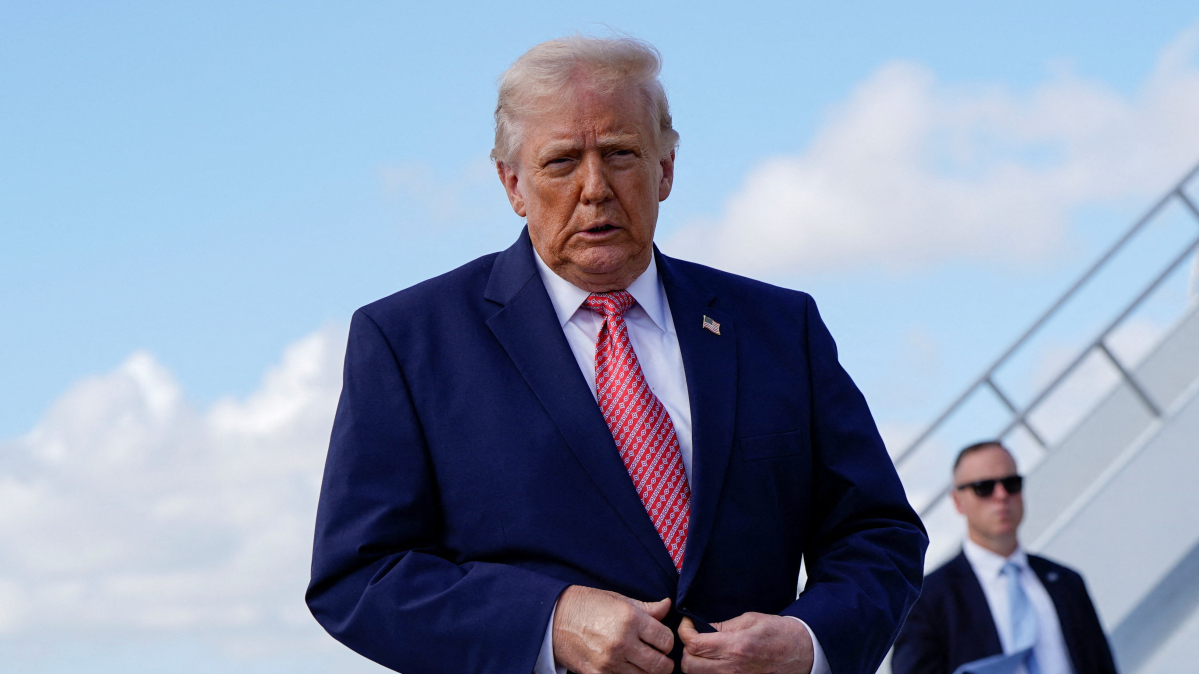
Trump sat in the front row of the courtroom’s public gallery, becoming the first sitting president to attend a Supreme Court oral argument, according to historian Clare Cushman of the Supreme Court Historical Society.
‘Gift of American citizenship’
U.S. Solicitor General D. John Sauer, representing the administration, opened arguments by saying that “unrestricted birthright citizenship contradicts the practice of the overwhelming majority of modern nations.”
“It demeans the priceless and profound gift of American citizenship,” Sauer said. “It operates as a powerful pull factor for illegal immigration and rewards illegal aliens who not only violate immigration laws but also jump ahead of those who follow the rules.”
A lower court had found that Trump’s directive violated the citizenship clause of the U.S. Constitution’s 14th Amendment, as well as federal law, in a class action brought by parents and children whose status would be affected.
The 14th Amendment has long been understood to guarantee citizenship to anyone born on U.S. soil, with limited exceptions such as children of foreign diplomats or enemy forces. The key provision states: “All persons born or naturalised in the United States, and subject to the jurisdiction thereof, are citizens of the United States and of the state wherein they reside.”
Chief Justice Roberts suggested the administration’s interpretation of the phrase “subject to the jurisdiction thereof” was overly broad, calling it “quirky.”
"I'm not quite sure how you can get to that big group from such tiny and sort of idiosyncratic examples," he said, noting that historically the clause applied narrowly, such as to diplomats or hostile forces.
Liberal Justice Sonia Sotomayor also challenged the administration’s argument, pointing to historical debates around the adoption of the 14th Amendment and the Civil Rights Act of 1866.
“What do we do with those debates and the fact the proponents of both acts said everyone born in the U.S. will be citizens?” Sotomayor asked.
Sauer disputed that interpretation, saying there was a “common understanding that sojourners do not have children who become citizens.”
Ratified in 1868 after the Civil War, the 14th Amendment overturned the infamous 1857 ruling that denied citizenship to people of African descent.
Political and legal stakes
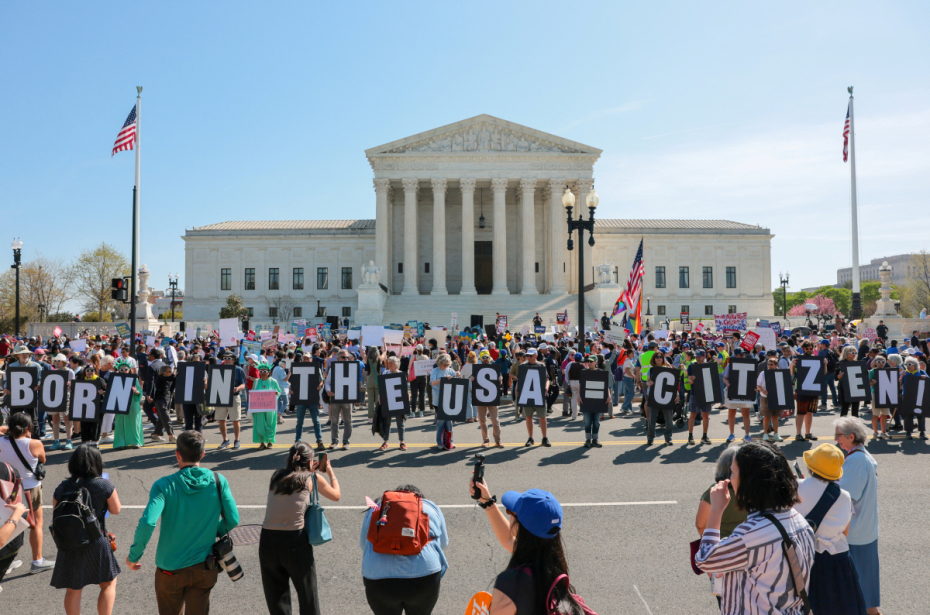
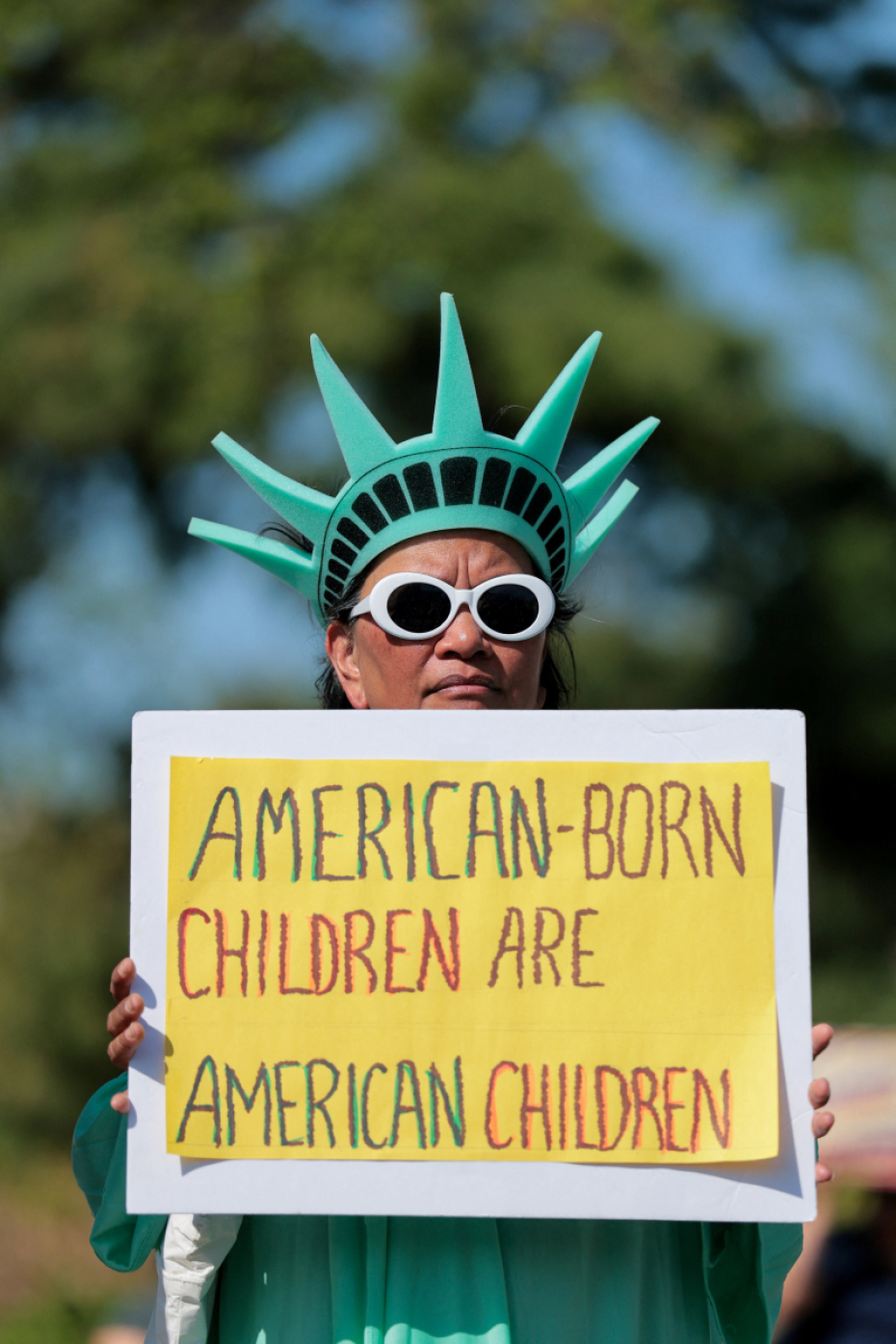
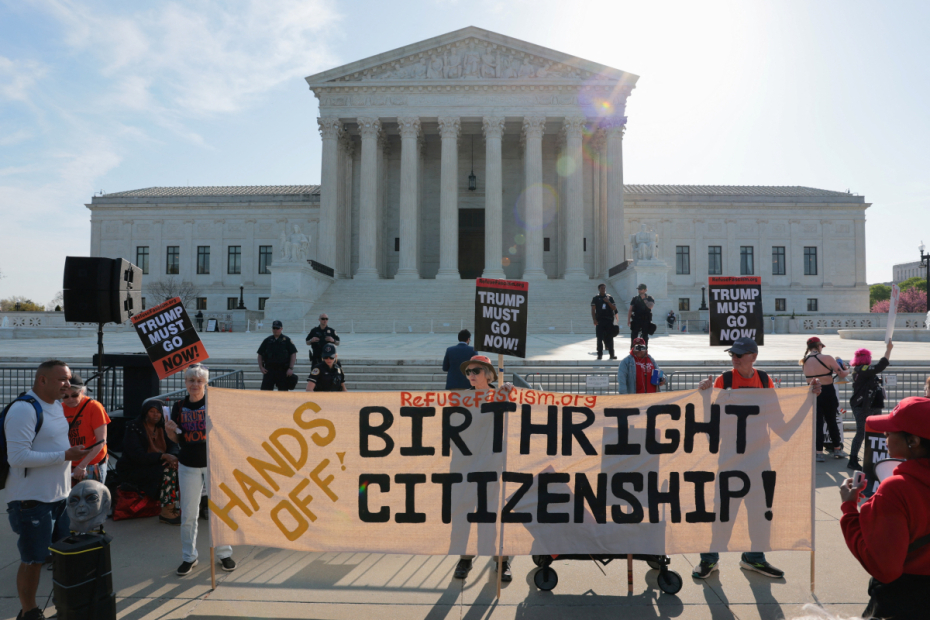
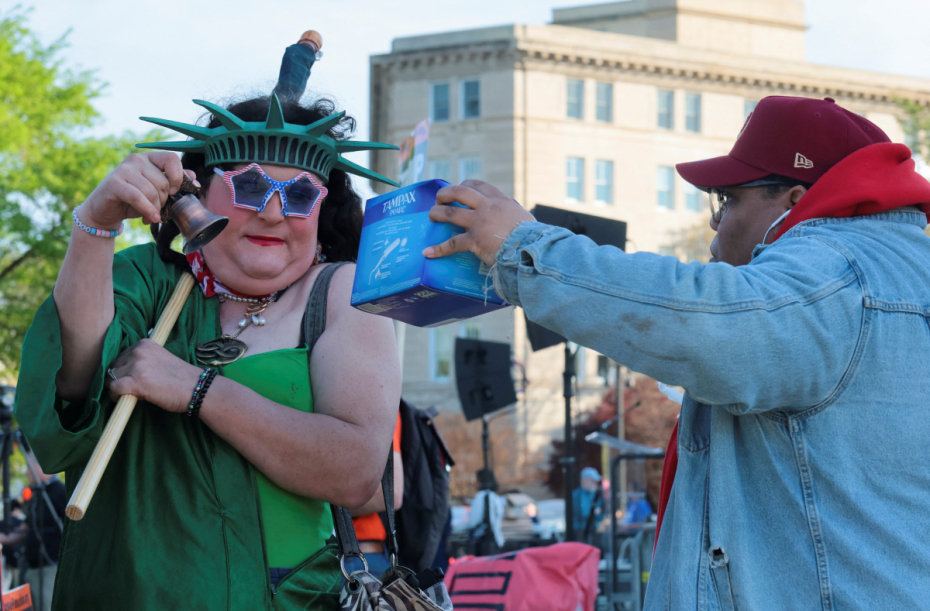
Outside the court, demonstrators gathered with placards reading “Trump must go now” and “Hands off birthright citizenship.” Attorney General Pam Bondi travelled with Trump to the court.
The president has repeatedly criticised some justices, particularly after the court struck down his global tariff policy earlier this year. He said he was “sickened” by two of his own appointees during his first term, Neil Gorsuch and Amy Coney Barrett, calling them “an embarrassment to their families.”
Restricting birthright citizenship remains a central priority for Trump, who introduced the measure on his first day back in office as part of a broader effort to tighten both legal and illegal immigration. Critics say the policy discriminates on racial and religious grounds.
The administration argues that the constitutional phrase “subject to the jurisdiction thereof” means that birth on U.S. soil alone is insufficient, excluding children of migrants who are in the country unlawfully or temporarily, such as students or visa holders. Citizenship, it says, should apply only to those whose “primary allegiance” is to the United States, typically citizens or permanent residents.
‘Birth tourism’ and broader impact
Officials have also argued that current rules encourage illegal immigration and “birth tourism”, where foreign nationals travel to the U.S. to give birth so their children gain citizenship.
A ruling in favour of the administration could affect the legal status of as many as 250,000 babies born each year, and potentially require millions of families to prove their children’s citizenship status.
Conservative Justice Samuel Alito said modern immigration patterns were not foreseen when the amendment was adopted.
“What we are dealing with here is something that was basically unknown at the time when the 14th Amendment was adopted, which was illegal immigration,” Alito said.
Sauer agreed, but noted that “the problem of temporary visitors did exist”, arguing that historical commentary suggested their children were not covered.
A lower court, led by U.S. District Judge Joseph Laplante, had allowed the case to proceed as a class action and blocked the policy nationwide.
Opponents say the issue was already settled in the 1898 Supreme Court case United States v. Wong Kim Ark, which affirmed that children born in the U.S. to foreign parents are citizens.
The Trump administration argues that the case supports its position, noting that Wong Kim Ark’s parents had permanent residence in the United States.
The Supreme Court, which has a 6-3 conservative majority, is expected to deliver its ruling by the end of June.

















What is your opinion on this topic?
Leave the first comment