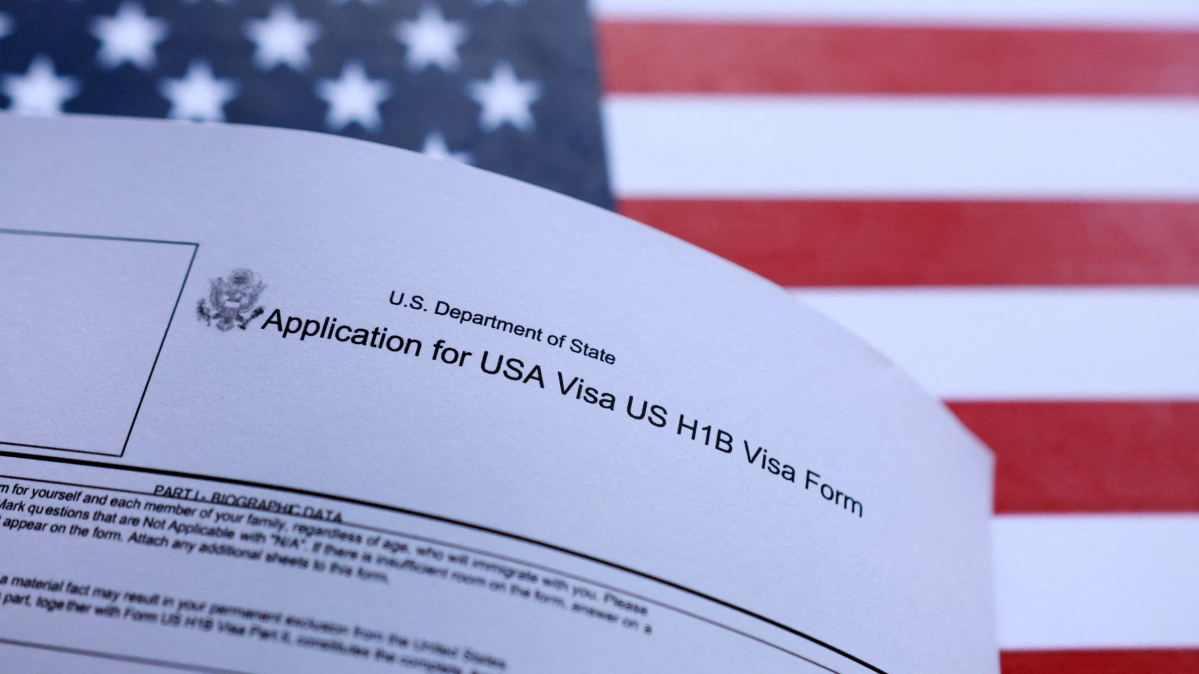
The Trump administration will suspend all visa processing for visitors from 75 countries beginning 21 January 2026, according to a State Department memo reported by media.
Some of the countries reportedly affected include Somalia, Russia, Iran, Afghanistan, Brazil, Nigeria and Thailand.
The memo directs U.S. embassies and consulates to refuse visas under existing law while the State Department reassesses visa procedures, though it provides no timeline for when normal processing might resume.
A spokesperson for the State Department did not immediately respond to requests for comment on the memo, first reported by FOX news, or the country list.
The suspension is part of a broad immigration crackdown pursued by U.S. President Donald Trump.
In November 2025, Trump vowed to “permanently pause” migration from what he called “Third World Countries” following a deadly shooting near the White House by an Afghan national.
The visa pause is expected to affect applications for tourist, business, student and other travel categories, potentially disrupting travel, education and family visits worldwide.
Immigration advocates have blasted the move as overly broad, saying it could unfairly penalise travellers with no ties to security threats.
The policy also coincides with an expanded visa bond requirement that, from 21 January 2026, will oblige certain visitor visa applicants from 38 countries to post refundable security bonds of up to $15,000 when applying for tourist and business visas, according to the State Department’s updated rules.
However, posting a bond does not guarantee a visa will be issued, and the exact amount will be determined by consular officers during visa interviews.
Critics argue that the combined measures risk isolating the United States and harming travel and educational exchanges, while the White House maintains they are necessary to protect national security and immigration system integrity.













What is your opinion on this topic?
Leave the first comment