live Trump says U.S.-Iran deal 'very possible' after latest talks - Middle East conflict on 7 May
Trump said the U.S. and Iran were making progress in peace talks, though direct negotiations remain premature. Meanwhile, Israel, reportedly, ...
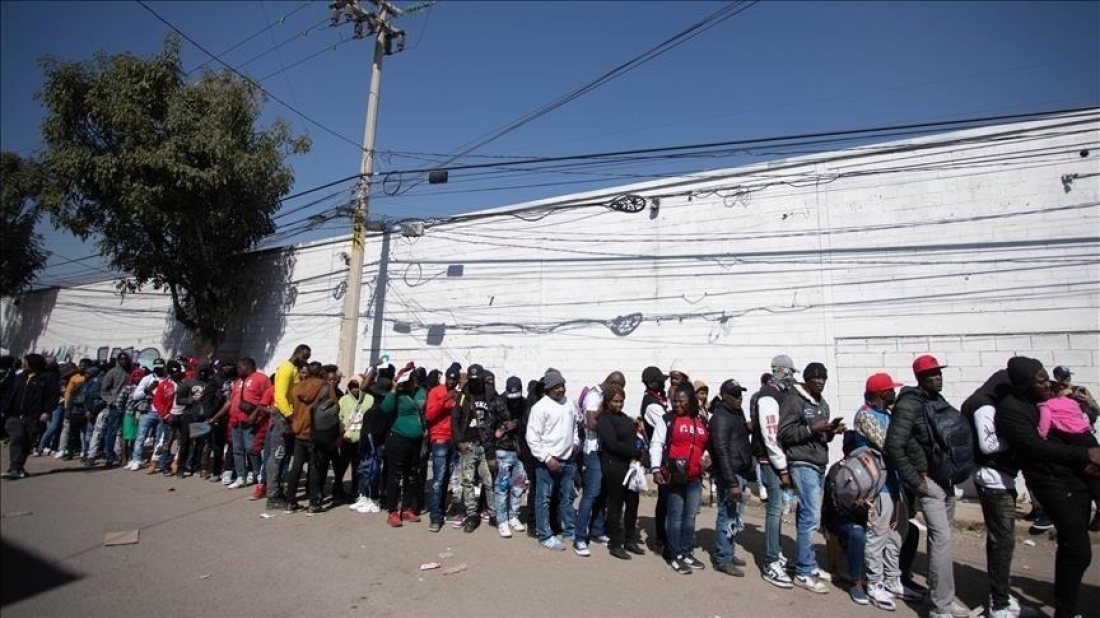
The U.S. Supreme Court issued an order early Saturday blocking the deportation of alleged Venezuelan gang members from Texas under the Alien Enemies Act, a wartime law from 1798.
The court directed the Trump administration to refrain from deporting members of the detainee group until further notice, as legal proceedings over the removals continue.
In a brief order, the court stated that the government is "directed not to remove any member of the putative class of detainees from the United States until further order of this court." The decision comes amid a legal battle over whether the wartime law can be applied in this context, with the justices awaiting action from a lower appeals court.
The case centers on individuals held at the Bluebonnet Detention Center in Anson, Texas, accused of being members of the Tren de Aragua gang, a criminal organization linked to violence in Venezuela. The administration is attempting to use the Alien Enemies Act to deport these individuals, but critics argue that the law is being misapplied, as it was historically only used during times of declared war.
Justices Clarence Thomas and Samuel Alito dissented from the order, reflecting a split within the court’s conservative wing. The detainees' legal team, led by the American Civil Liberties Union (ACLU), argues that the law is being improperly invoked, and is seeking to prevent their deportation to prisons in El Salvador without due process.
This order follows a previous ruling on April 7 that affirmed the detainees' right to challenge their deportations through habeas petitions. The Supreme Court has instructed the government to respond after the appeals court rules on the case.
The controversy has also brought attention to a separate case involving the mistaken deportation of Kilmar Abrego Garcia to El Salvador, further complicating the broader issue of deportations under wartime legislation.

Trump said the U.S. and Iran were making progress in peace talks, though direct negotiations remain premature. Meanwhile, Israel, reportedly, struck senior Hezbollah and Hamas figures and tensions over Hormuz and Tehran’s nuclear programme continue.
U.S. President Donald Trump said that Iran wanted to negotiate and make a deal in comments to reporters on Wednesday (6 May). But earlier, he warned Washington would ramp up attacks if no agreement was reached.
Argentinian authorities are reconstructing the journeys of Dutch citizens who presented with symptoms of deadly hantavirus after visiting Argentina and Chile as part of a luxury cruise trip, the country's Health Ministry said in a statement on Wednesday (6 May)
The 61st Venice Biennale has opened under grey skies and political tension, with disputes over Russia and Israel, resignations on the jury, and protests marking the start of one of the art world’s most high-profile events.
Latvian authorities said two drones entered NATO member Latvia from Russian territory and crashed on Thursday morning, with officials linking them to Ukraine’s wider drone operations against targets in Russia.
A group of Australian women and children detained for years in Kurdish-run camps in northeastern Syria due to links to Islamic State are expected to arrive in Australia on Thursday evening.
A South Korean appeals court on Thursday reduced former Prime Minister Han Duck-soo’s prison sentence from 23 years to 15 years over his role in ex-President Yoon Suk Yeol’s brief imposition of martial law in 2024.
Shipping group Maersk beat first-quarter profit forecasts on Thursday but warned that the Iran war had pushed its fuel costs up by around $500 million a month, adding that the energy crisis would persist even if a peace deal were reached.
European Union countries and European Parliament lawmakers have agreed on a softened version of the bloc’s landmark artificial intelligence rules, including delayed implementation, in a move critics say reflects growing concessions to major technology firms.
The Treaty on the Non-Proliferation of Nuclear Weapons (NPT) remains central to efforts to curb nuclear arms. More than 50 years after entering into force, it faces mounting pressure from geopolitical rivalry, modernisation and disputes over disarmament.
You can download the AnewZ application from Play Store and the App Store.
What is your opinion on this topic?
Leave the first comment