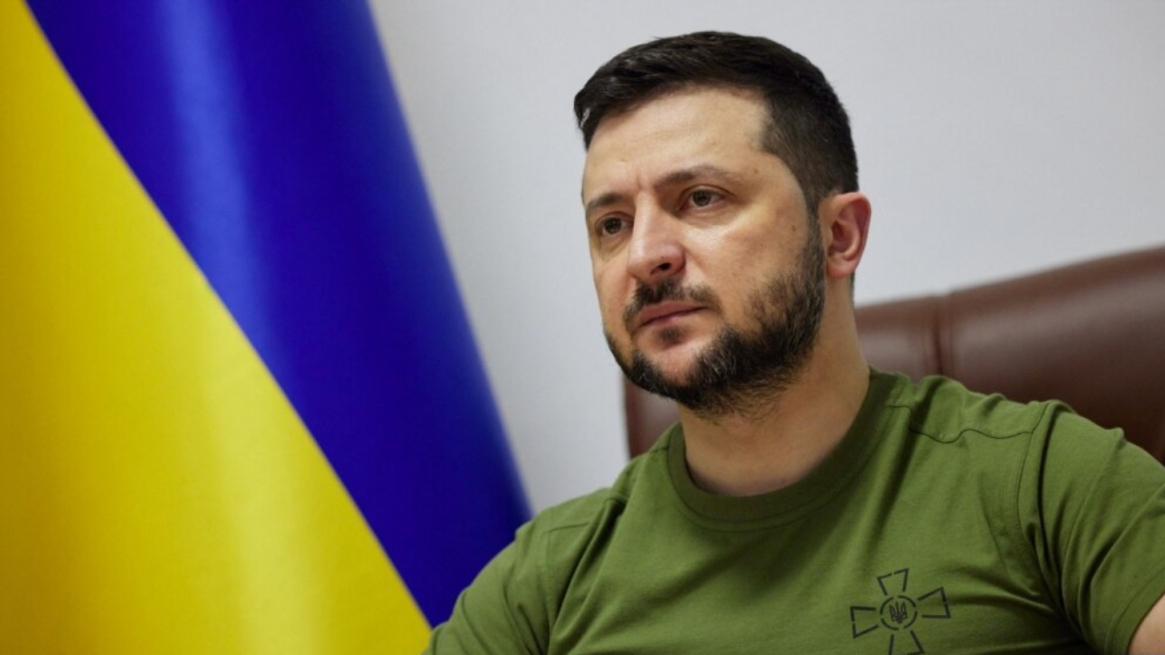
The leaders of eight Nordic and Baltic nations held a joint call with Ukrainian President Volodymyr Zelenskyy on Saturday, pledging continued military and economic support for Kyiv and reaffirming their commitment to Europe’s collective security amid Russia’s ongoing aggression.
The heads of government from Denmark, Estonia, Finland, Iceland, Latvia, Lithuania, Norway, and Sweden issued a joint statement after speaking with President Volodymyr Zelenskyy, vowing to maintain weapons deliveries to Ukraine and to bolster Europe’s defences against further Russian threats.
“Russia has so far not committed to a ceasefire or any steps leading to peace,” the leaders said in their statement. “Solutions that respect Ukraine’s sovereignty and that will bring Ukraine and Europe greater security and stability have our full support.”
The eight-nation coalition — often referred to as the Nordic-Baltic Eight (NB8) — also agreed to intensify sanctions and other economic measures against Moscow for as long as its war in Ukraine continues.
A show of unity amid diplomatic turbulence
The call came at a critical moment, as Kyiv and its allies work to coordinate their response to a new 28-point U.S.-drafted peace plan that has drawn controversy for reportedly favouring Russian interests. The proposal, first revealed earlier this week, has sparked debate among European leaders about how best to balance diplomacy with continued deterrence.
The Nordic-Baltic leaders’ statement underscored their unified stance that peace in Europe must not come at the expense of Ukraine’s sovereignty or territorial integrity.
Focus on deterrence and sanctions
While specific details of new arms deliveries were not disclosed, officials confirmed that cooperation will continue on strengthening defence production and supply chains across the region. The countries have been among Ukraine’s most consistent supporters since the start of the full-scale invasion in 2022, contributing weapons, training, and humanitarian assistance.
The statement also emphasised the importance of maintaining pressure on Moscow through targeted sanctions. Leaders said they would coordinate with EU partners to expand restrictions on Russia’s energy sector and technology imports, and to close loopholes allowing sanctioned goods to reach the country through intermediaries.
Zelenskyy’s diplomatic outreach
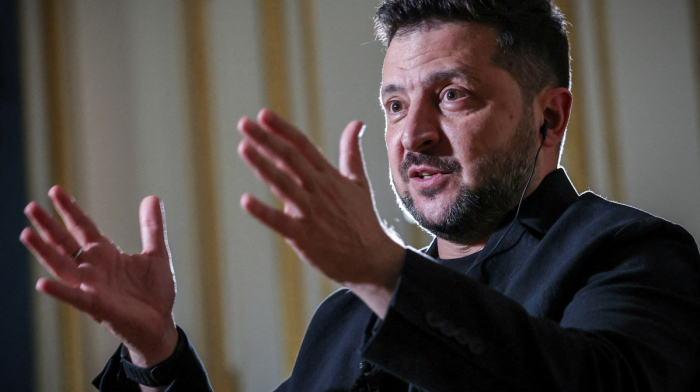
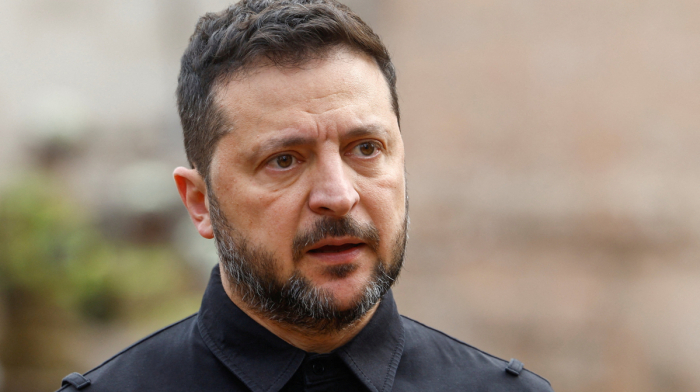
President Zelenskyy thanked the leaders for their continued solidarity and called for deeper cooperation to ensure Ukraine’s long-term security. “We need to guarantee that Russian aggression can never return to Europe,” he said in a message after the call.
As the war nears its third year, the conversation between Kyiv and the Nordic-Baltic bloc served as both a strategic and symbolic reaffirmation — that northern Europe remains united in its defence of Ukraine, even as diplomatic tensions rise and global attention shifts.










What is your opinion on this topic?
Leave the first comment