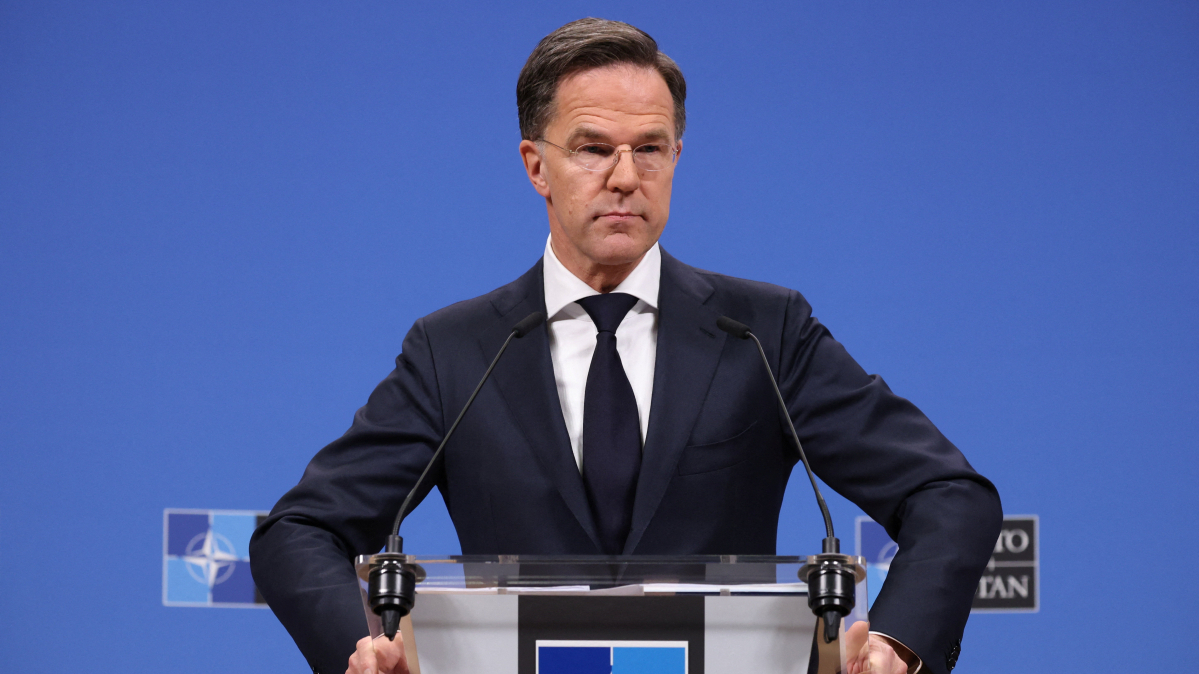
The 2025 North Atlantic Treaty Organisation (NATO) annual report, presented by Mark Rutte, the Secretary General of the organisation, reveals a significant shift in stance and policy.
The report marks the beginning of a new chapter, characterised by major decisions and decisive actions aimed at defending and protecting member states of the alliance.
It continues to identify Russia as the most significant and direct threat to security, peace and stability in the Euro-Atlantic area. The report states that Russia “continued to test the Alliance, becoming more reckless, including with airspace violations, sabotage and malign cyber activities.”
NATO has taken steps to ensure the security, resilience and prosperity of the one billion people living within the alliance’s territory.
Here are five key takeaways from the report:
A shift from rebuilding in 2024 to full-spectrum readiness in 2025
In 2025, NATO is no longer simply strengthening its forces; it is actively operationalising them, with expanded exercises, deployments and integrated capabilities across land, sea and air.
Following an unprecedented series of airspace violations by Russian drones along the Alliance’s eastern flank, NATO launched Eastern Sentry. According to the report, Eastern Sentry is “a multi-domain activity enhancing the Alliance’s vigilance and readiness and securing the airspace on the eastern flank from potential air violations.”
Defence spending reaches historic highs
In 2025, NATO allies in Europe and Canada invested a total of $574 billion in defence, representing a 20% increase in real terms compared with 2024. The report states that all allies met or exceeded the 2% spending target first set in 2014.
Total defence spending surpassed $1.4 trillion in 2025, while a new long-term ambition of reaching 5% of GDP by 2035 marks a significant increase in financial commitment.
Up to 1.5% of GDP is now earmarked not only for weapons, but also for resilience, infrastructure protection, innovation and industrial expansion, blurring the line between civilian and military economies.
Technology shifts, concept and battlefield deployment.
Artificial intelligence, quantum technologies and biotechnology are no longer experimental. Systems such as AI-enabled battlefield analysis tools are already being deployed to enhance decision-making and operational speed.
The use of artificial intelligence and advanced data analytics, under the Multinational Allied Software for Cloud and Edge Services programme, will enable military commanders to leverage data more quickly and effectively in their decision-making.
Initiatives such as the Defence Innovation Accelerator for the North Atlantic (DIANA) and the NATO Innovation Fund are accelerating defence technology development, linking start-ups, industry and military users in a coordinated innovation pipeline
Cyber, space, maritime and energy domains are now treated as active operational theatres. The launch of a 24/7 cyber defence centre and expanded maritime drone operations reflects a shift towards constant, cross-domain vigilance.
Ukraine's support evolves into a structured war effort.
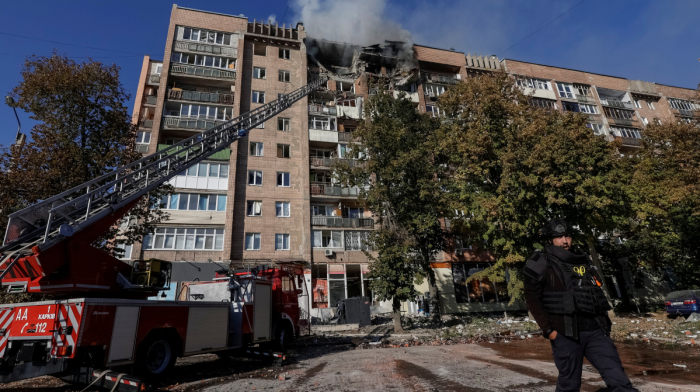
Beyond financial aid, NATO is embedding long-term coordination mechanisms to support Ukraine’s energy infrastructure, training systems and battlefield resilience, while also drawing lessons for its own defence posture.
Partnerships and strategic outlook amid global competition
The alliance increasingly frames security in terms of systemic rivalry - not only with Russia, but also with China and other actors - reinforcing partnerships in the Indo-Pacific and deepening coordination with global institutions. Cooperation with the EU has intensified across defence, technology and support for Ukraine.
Following the 2024 Georgian parliamentary elections and their aftermath, elements of NATO–Georgia cooperation were reprioritised. Although the report does not specify how this reprioritisation will be implemented, it notes that defence cooperation with the Georgian Defence Forces has continued to progress.
The 2025 report presents a NATO that has moved decisively into a war-readiness posture, combining unprecedented spending, industrial expansion and technological integration to prepare for a prolonged era of high-intensity, multi-domain conflict.













What is your opinion on this topic?
Leave the first comment