The U.S. Supreme Court has overturned key elements of President Donald Trump’s global tariff policy, creating uncertainty ahead of his March meeting with China’s Xi Jinping. The ruling raises fresh questions about the future of U.S.-China trade relations and the stability of the global economy.
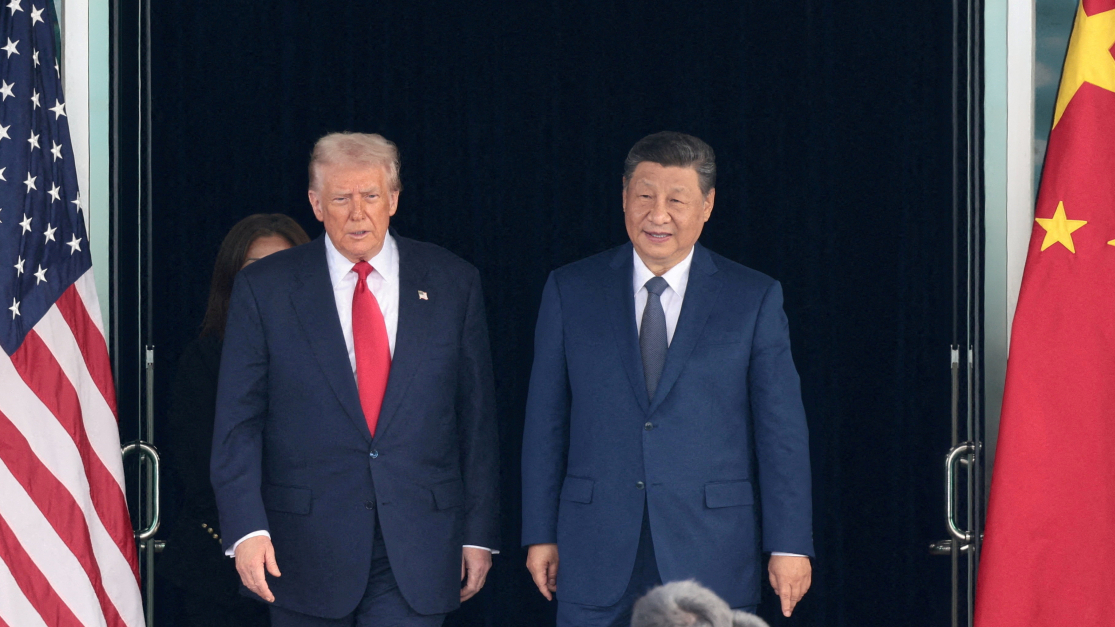
Trump is due to travel to China from 31 March to 2 April for talks with Xi, as the decision reshapes his approach to tariffs.
The judgment introduces renewed uncertainty into U.S.-China relations, which had shown signs of stabilising after Trump reduced certain tariffs on Chinese goods in exchange for measures from Beijing.
Andrew K P Leung, an international and independent China strategist, said the Supreme Court’s decision “is generating considerable speculation” and complicates Trump’s global tariff strategy, which targets not only China but also U.S. allies around the world.
Leung said China has found “a very effective countermeasure” through its control of rare earth elements, which are essential for high-tech products and military hardware, including fifth-generation fighter jets such as the F-35.
He added that this has prompted Trump to seek “a temporary pause in the kind of mutual spiral towards confrontation”, noting that neither the U.S. nor China wants war, particularly given the nuclear capabilities of the major powers.
Leung also suggested that countries around the world are beginning to question the reliability of the United States, which he said “used to underpin the world order … and does not appear to be as reliable as before.”
Nations across Europe, Asia, and Central and Latin America are recalibrating their relationships in an effort to avoid conflict while maintaining economic ties with the U.S.
On the prospects of a trade agreement between the world’s two largest economies, Leung said: “While China has integrated into the global trading system under the rules of the World Trade Organization, there is a perception that China is gaming some of those rules,” prompting pushback from other countries.
He added that the current pause could allow Trump to regroup, strengthen U.S. manufacturing, and explore new ways to secure American interests within a more stable U.S.-China relationship.
















What is your opinion on this topic?
Leave the first comment