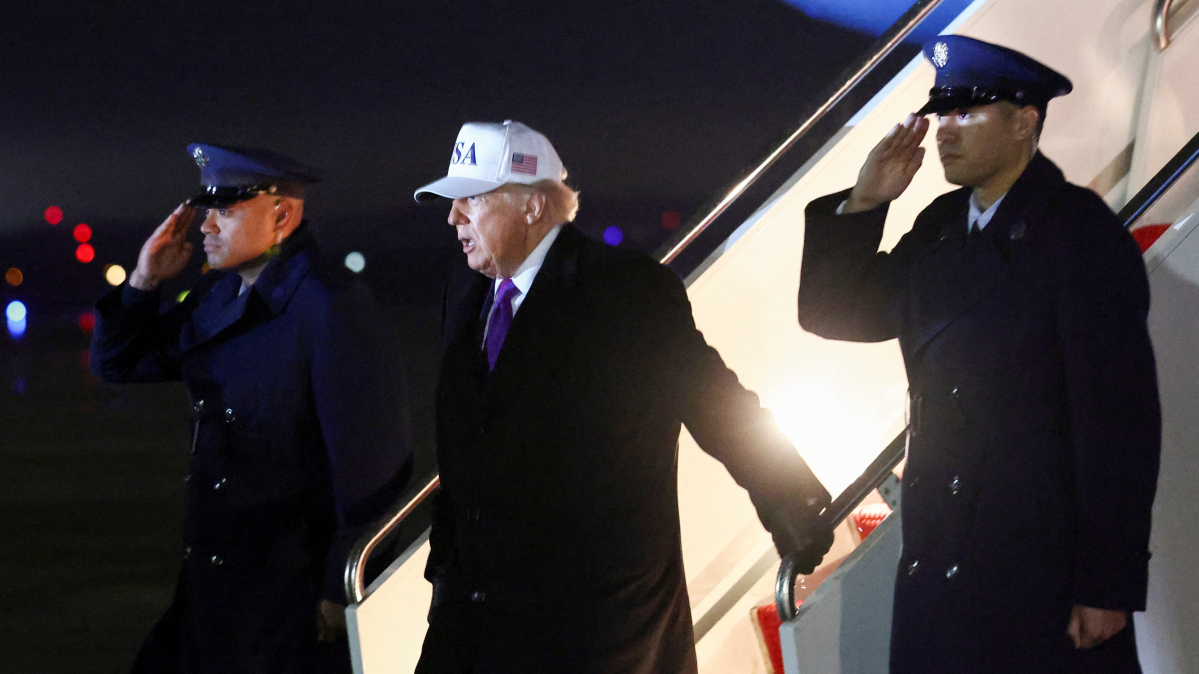
U.S. President Donald Trump will travel to China from 31 March to 2 April, the White House has confirmed, for talks with Chinese President Xi Jinping as a U.S. Supreme Court ruling reshapes his tariff policy.
A White House official confirmed the visit on Friday, hours after the U.S. Supreme Court struck down key elements of Trump’s sweeping tariffs on imported goods.
The meeting between the leaders of the world’s two largest economies had been expected to focus on extending a trade truce that prevented further tariff increases on both sides.
Supreme Court ruling raises uncertainty for U.S.–China ties
However, the court’s decision has introduced fresh uncertainty into U.S.–China relations, which had shown signs of stabilising after Trump reduced certain tariffs on Chinese goods in exchange for measures from Beijing, including action against the illicit fentanyl trade and a pause on export restrictions covering critical minerals.
Twenty per cent tariffs on China's U.S.-bound exports were imposed under the International Emergency Economic Powers Act, or IEEPA, which the court ruled Trump had overstepped.
Those tariffs were tied to national emergencies related to fentanyl distribution and trade imbalances.
Other duties on Chinese goods, including those implemented under legislated trade authorities known as Section 301 and Section 232, remain in place.
It remains unclear how many of the invalidated tariffs Trump may seek to reintroduce. He told a press conference that he would impose a new 10 per cent global tariff for 150 days.
Trump’s previous visit to China, in 2017, was the last by a sitting U.S. president.
"That's going to be a wild one," Trump told foreign leaders visiting Washington on Thursday about the upcoming China visit. "We have to put on the biggest display you've ever had in the history of China."
The Chinese embassy in Washington declined to comment on the dates of the trip, which were first reported by Reuters. Beijing has not formally confirmed the visit.
Trade tensions and political stakes
The Trump administration has said the global tariffs were necessary because of national emergencies related to trade imbalances that have weakened U.S. manufacturing.
Trump had already been "playing defence" in the trade war, given the effectiveness of Beijing's threat to cut off rare earths, said Scott Kennedy, a China economics expert at the Center for Strategic and International Studies in Washington.
The tariff defeat likely "cements his weakness in their eyes," he said.
Xi said during the February call that he would consider further increasing soybean purchases, according to Trump. Struggling U.S. farmers are a major political constituency for Trump, and China is the top soybean consumer.
Analysts said on Friday that China may be less likely to follow through on another big purchase of U.S. soybeans after the Supreme Court ruling.
Although Trump has framed policy moves involving countries from Canada to Greenland and Venezuela as necessary to counter China, he has in recent months eased restrictions on Beijing in areas including tariffs, advanced semiconductors and drone technology.
Critics argue that broad-based tariffs have at times insulated China from wider trade pressure and reduced incentives for companies to relocate supply chains.
Friday's ruling could indirectly increase pressure on Beijing if the effective tariff rates on other countries, particularly in Southeast Asia, fall more than those on China, said Martin Chorzempa, a senior fellow at the Peterson Institute of International Economics.
"Unlike with many other countries, there is a well-established, much more legally durable mechanism for most of the tariffs on China that make them less affected than those on other countries," Chorzempa said.
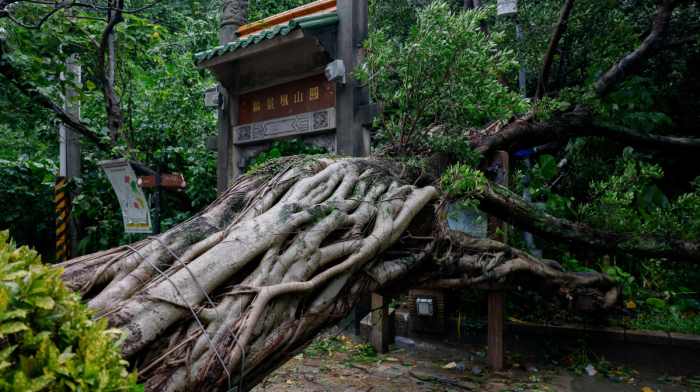
Typhoon Champi swept past Taiwan on Saturday, leaving one person dead and more than 500 injured as strong winds and torrential rain brought down trees, cut power and disrupted transport across the island.
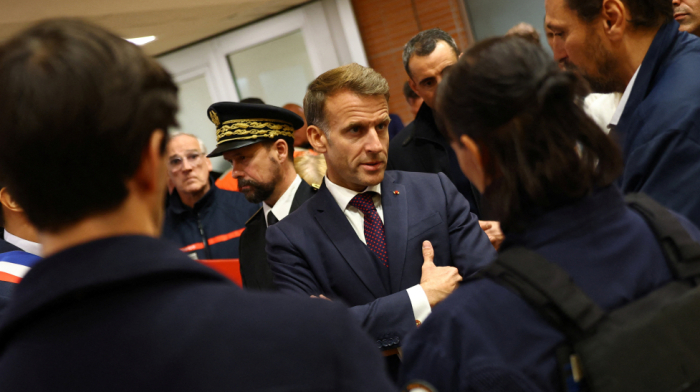
French President Emmanuel Macron on Friday described a deadly shooting in the towns of Trappes and La Verrière, west of Paris, as a racist attack and ‘a turning point’ for the country.
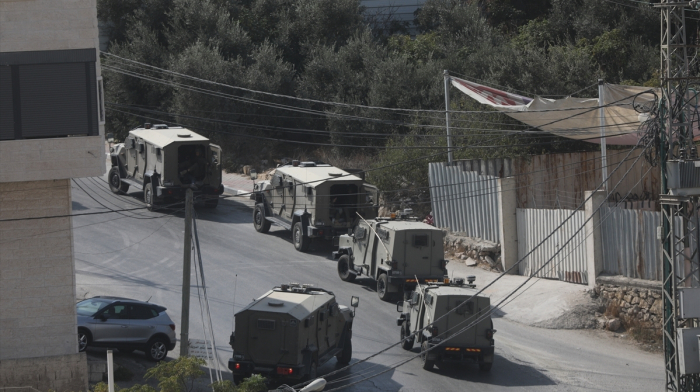
Israeli forces have maintained a tight closure on Hebron in the occupied West Bank for a second day, with Palestinian media reporting home raids, mass detentions and dozens of residents forced outside following a shooting incident the day before.
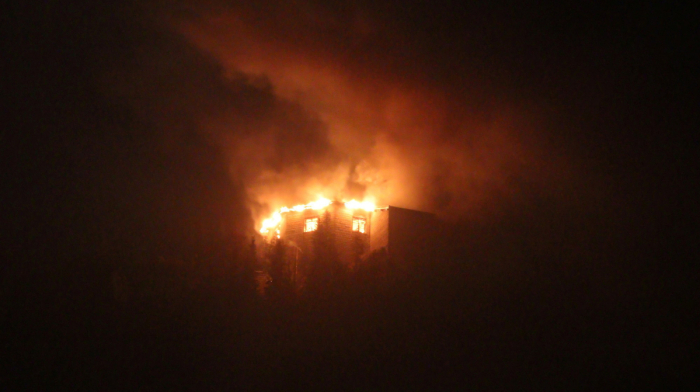
German police have detained a suspect after a major fire broke out at the historic Kehlsteinhaus, known as the “Eagle’s Nest”, a mountain retreat once used by senior Nazi officials, including Adolf Hitler.
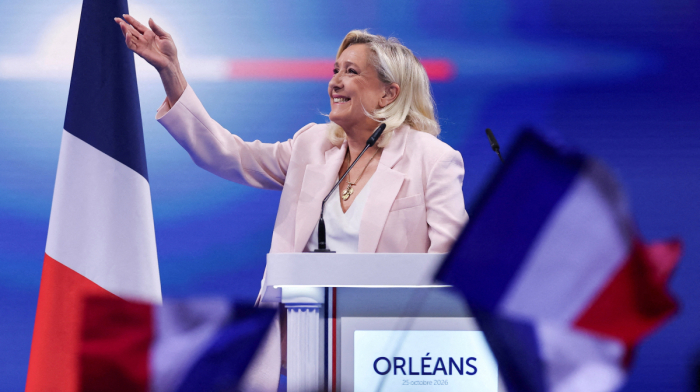
France’s far-right leader Marine Le Pen has formally launched her presidential campaign, promising to restore order and national confidence amid what she called mounting economic, social and security crises.
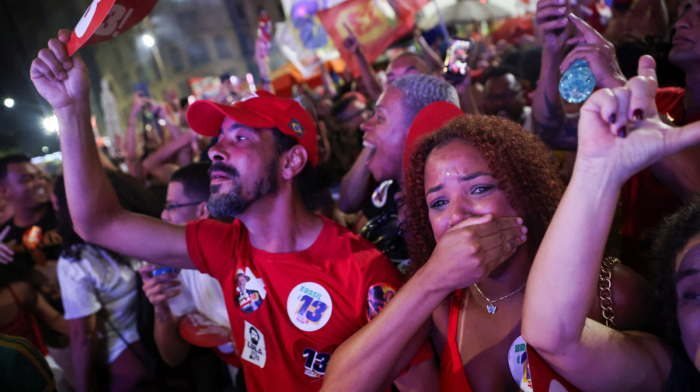
Brazil's President Luiz Inacio Lula da Silva won the presidential runoff vote on Sunday, the country's electoral court said, defeating right-wing Senator Flavio Bolsonaro to secure an unprecedented fourth non-consecutive term.
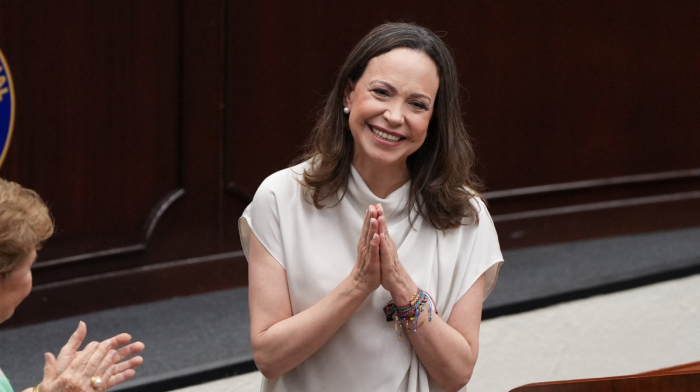
Venezuelan opposition leader María Corina Machado has returned to the South American nation almost a year after she secretly left the country to travel to Norway for the Nobel Peace Prize ceremony.
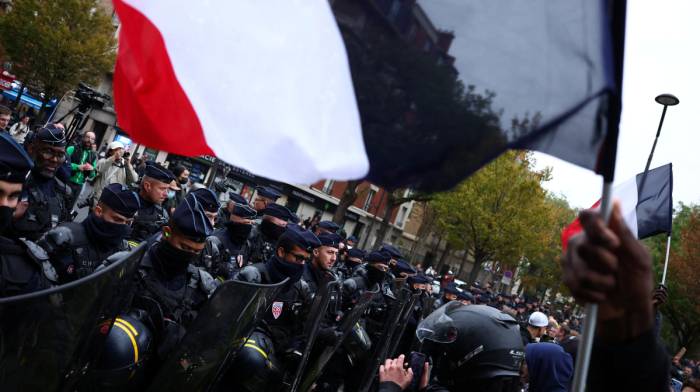
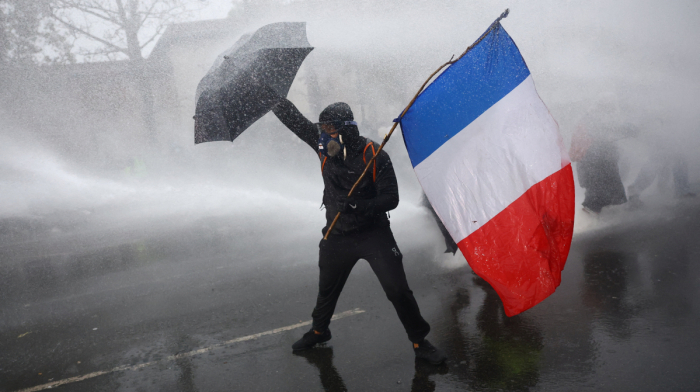
Riot police fired tear gas at protesters in France’s largest cities and more than 1,300 people were arrested during demonstrations against the rising cost of living on Saturday (24 October). Police also used a water cannon on a group of around 500 hooded youths in Paris, after the main rally ended.
Download the AnewZ app
You can download the AnewZ application from Play Store and the App Store.










What is your opinion on this topic?
Leave the first comment