Ukraine’s allies have pledged nearly $48 billion in military support at a meeting of the Ukraine Defence Contact Group (UDCG) in Brussels, vowing to intensify pressure on Russia and strengthen Kyiv’s battlefield position.
NATO Secretary General Mark Rutte said five countries had committed new funding to purchase American weapons under Ukraine’s Priority Requirements List.
He thanked the UK, Iceland, Norway, Sweden and Lithuania for contributions he described as being “in the hundreds of millions of dollars” and said he expected more pledges soon, without naming specific countries.
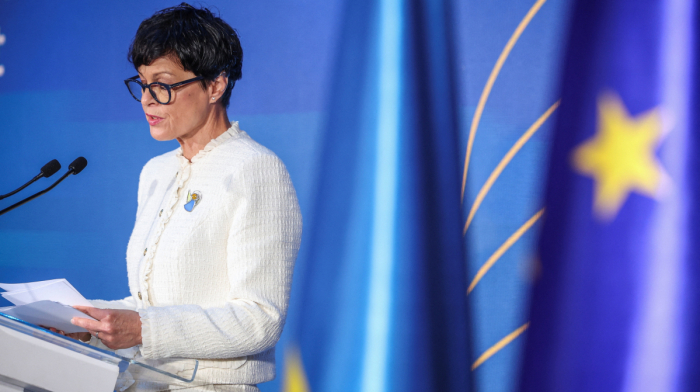
He made the announcement at a joint press briefing with the British, German and Ukrainian defence ministers on Thursday.
UK Defence Secretary John Healey, who chaired the session, confirmed that allies had pledged a total of £35 billion, equivalent to nearly $48 billion, in military support.
“The UDCG has a clear message to Putin: we’re more united and more determined than ever,” Healey said.
“We will step up pressure on Russia and we want to make 2026 the year this war ends,” he added.
Healey said Russian President Vladimir Putin had expected a swift victory.
“Four years on, Ukraine’s forces are hitting targets deep into Russia, inflicting high casualty rates on parts of the front line and taking back territory,” Healey explained.
German Defence Minister Boris Pistorius said Berlin would deliver five additional missile interceptors, provided other countries contribute a total of 30.
“We are on a good path,” he said, adding that some partners were still finalising approvals.
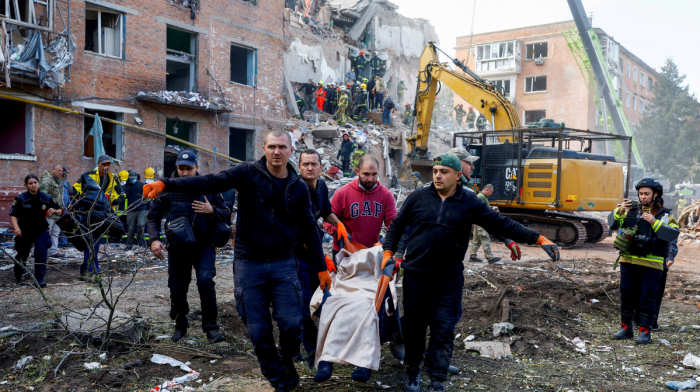
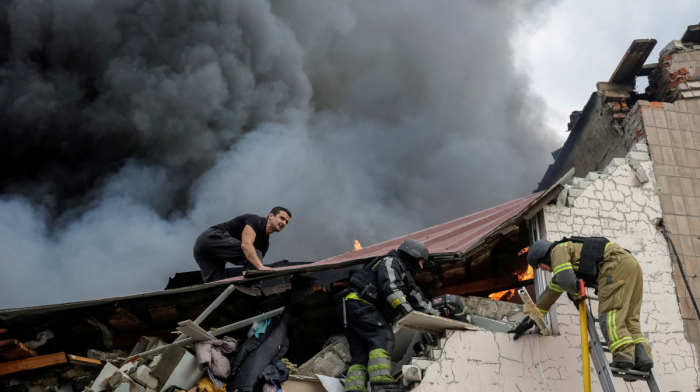
Ukraine’s Defence Minister Mykhailo Fedorov thanked allies for continued backing, accusing Moscow of targeting civilians and energy infrastructure as it struggles on the battlefield.
“Putin cannot win on the ground, so that’s why he is terrorising the civilian population,” he said.
Rutte, who recently visited Ukraine, said he had seen the destruction first-hand and reiterated calls for sustained support, saying 2026 should be the year Russia is no longer able to continue the war.











What is your opinion on this topic?
Leave the first comment