U.S. and Iran exchange threats - Tuesday, 10 March
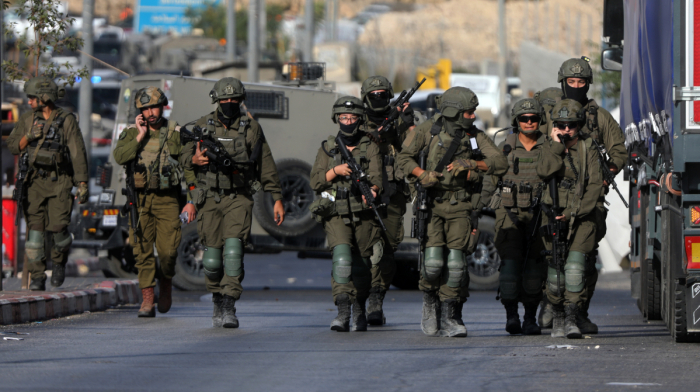
Tensions in the region remained high on Tuesday (10 March), as the United States and Iran exchanged increasingly sharp warnings, including thr...
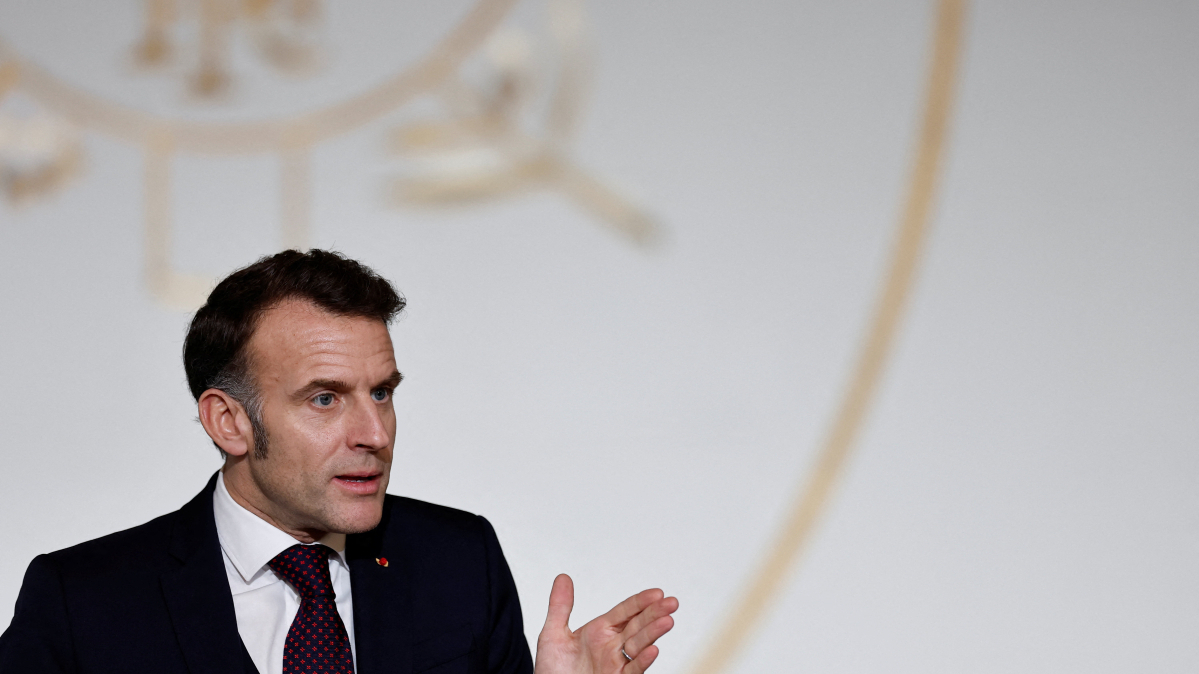
French President Emmanuel Macron has warned that Europe should prepare for fresh friction with the U.S. and treat what he called the ‘Greenland moment’ as a signal to strengthen the European Union’s economic and political power.
In comments published on Tuesday, Macron said a recent easing of tensions with Washington should not be seen as lasting, arguing that disagreements over trade, technology and regulation are likely to continue.
He urged EU leaders to use an upcoming summit in Belgium to accelerate long-delayed reforms aimed at boosting competitiveness and improving the bloc’s ability to respond to pressure from both the U.S. and China.
Macron said the current U.S. administration has taken positions he described as “openly anti-European,” and warned that new disputes could emerge over Europe’s digital regulation, including the enforcement of rules targeting major technology companies.
“The U.S. will, in the coming months attack us over digital regulation,” he said.
The French leader also cautioned that Europe faces a dual economic challenge, citing strong competition from China alongside unpredictable policy moves from Washington.
He renewed his call for deeper financial integration within the EU, including expanded joint borrowing to support large-scale investment and strengthen Europe’s global influence. Macron argued that common European debt could provide investors with an alternative as confidence in the U.S. dollar shows signs of fluctuation.
EU countries previously issued joint debt to support recovery after the COVID-19 pandemic but proposals to make such tools permanent have faced resistance from several northern member states.
Discussions at the upcoming summit are also expected to include plans for a ‘Made in Europe’ strategy that would prioritise European-produced goods. The proposal has divided EU governments and raised concerns among some industries.
Macron said Europe must pursue what he called “protection, which is not protectionism,” arguing that strengthening domestic capacity is essential if the bloc is to remain competitive on the global stage.

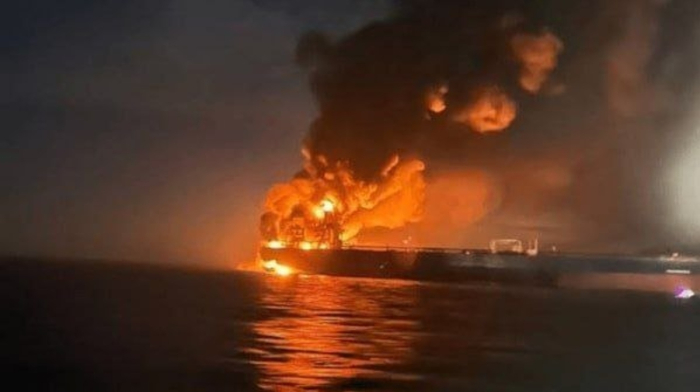
Tensions in the region remained high on Tuesday (10 March), as the United States and Iran exchanged increasingly sharp warnings, including threats over the strategic Strait of Hormuz, a critical artery for global oil supplies.
Global oil prices surpassed $119 a barrel on Monday (9 March, 2026), an almost four year high, as the Middle East conflict rumbled on.
China has urged Afghanistan and Pakistan to resolve their dispute through dialogue after Chinese envoy Yue Xiaoyong met Afghan Foreign Minister Amir Khan Muttaqi, as fighting between the two neighbours entered its eleventh day.
Entry and exit across the state border between Azerbaijan and Iran for all types of cargo vehicles, including those in transit, will resume on 9 March, according to a statement by the Cabinet of Ministers of Azerbaijan.
Iran named Mojtaba Khamenei to succeed his father Ali Khamenei as supreme leader on Monday (9 March), signaling that hardliners remain firmly in charge, as the week-old U.S.-Israeli war with Iran pushed oil above $100 a barrel.
U.S. Ambassador to the United Nations, Mike Waltz, has addressed the U.N. Security Council, saying the world must consider how effective its engagement with the Taliban-run country is as millions face hunger.
British MPs have rejected a proposal to introduce an Australia-style ban on social media for under-16s, opting instead to give ministers flexible powers to impose restrictions on platforms.
Australia has granted humanitarian visas to five Iranian women footballers who sought asylum, fearing persecution after refusing to sing their national anthem at an Asia Cup match.
Start your day informed with AnewZ Morning Brief. Here are the top news stories for the 10th of March, covering the latest developments you need to know.
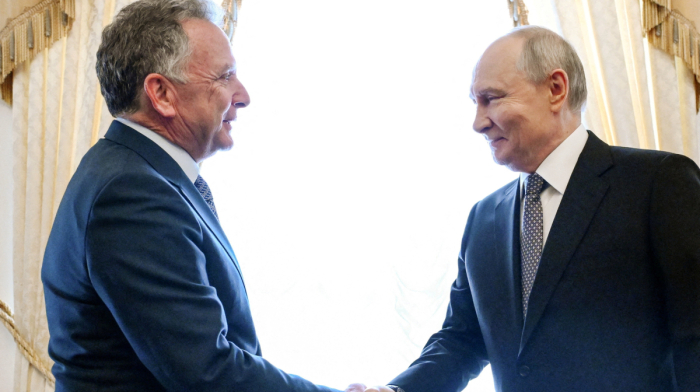
U.S. President Donald Trump called his recent phone conversation with Russian President Vladimir Putin “very good.” The two leaders spoke on Monday about the situation in Iran and other international issues.
You can download the AnewZ application from Play Store and the App Store.
What is your opinion on this topic?
Leave the first comment