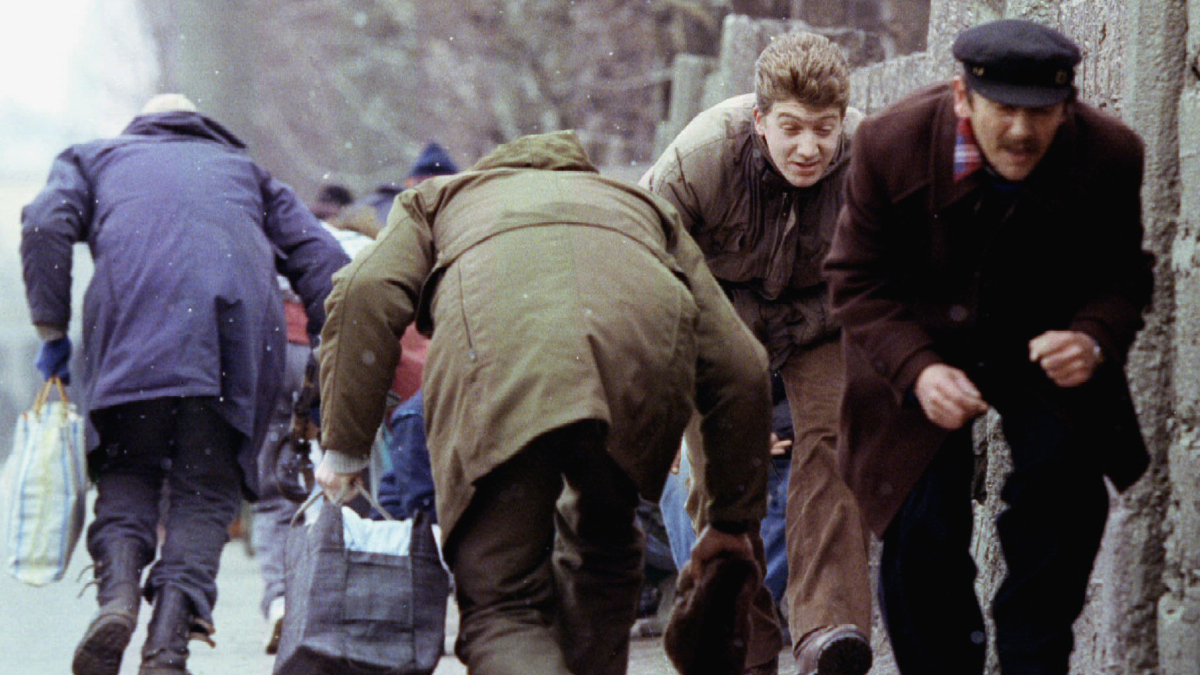
Milan prosecutors have placed an elderly Italian man under investigation over allegations that foreigners paid to shoot at civilians during the 1990s siege of Sarajevo, sources with direct knowledge of the case said on Wednesday.
The man is the first individual to be formally identified in the investigation, which began last year. The sources said he is an 80-year-old former truck driver who lives near the northern Italian town of Pordenone.
Prosecutors are examining claims that foreign nationals were paid to take part in shootings of civilians during the siege of Sarajevo, the capital of Bosnia and Herzegovina, during the war that followed the country’s declaration of independence from Yugoslavia.
The suspect, who was not named, faces several counts of premeditated murder, with charges aggravated by base motives, the sources said. It is not yet clear whether he is accused of directly carrying out killings or of assisting with transport and logistics for those involved.
He remains at liberty and has been summoned to appear before prosecutors for questioning on 9 February, according to the sources.
Around 11,000 civilians were killed by shelling and sniper fire from Bosnian Serb army positions in the hills surrounding Sarajevo during the 1992–1995 conflict.
The Milan inquiry was opened after Italian journalist and novelist Ezio Gavazzeni filed a legal complaint alleging that Italians and other foreigners paid Bosnian Serb forces to allow them to take part in shooting excursions, a practice described by some as "sniper tourism".
Gavazzeni said he began investigating the allegations after watching the 2022 documentary Sarajevo Safari by Slovenian director Miran Zupanic.
According to Gavazzeni, wealthy foreigners paid large sums of money to participate. He said Italians would meet in the city of Trieste before travelling to Belgrade, where Bosnian Serb soldiers escorted them to positions overlooking Sarajevo.
The launch of the Italian investigation in November 2025 raised hopes among survivors of the siege that those responsible for such crimes could finally be brought to justice.
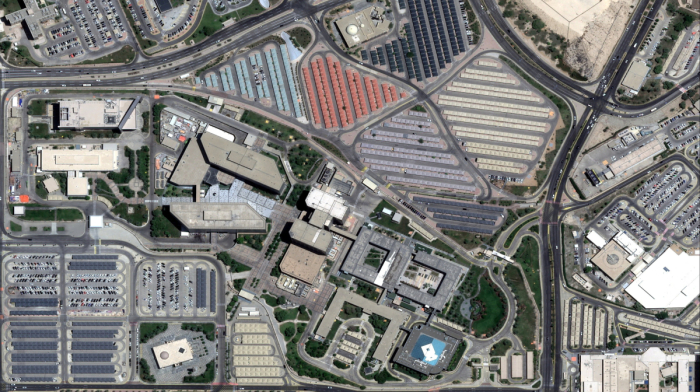
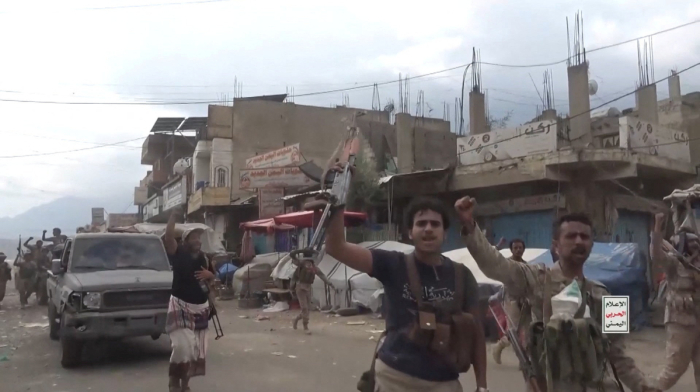
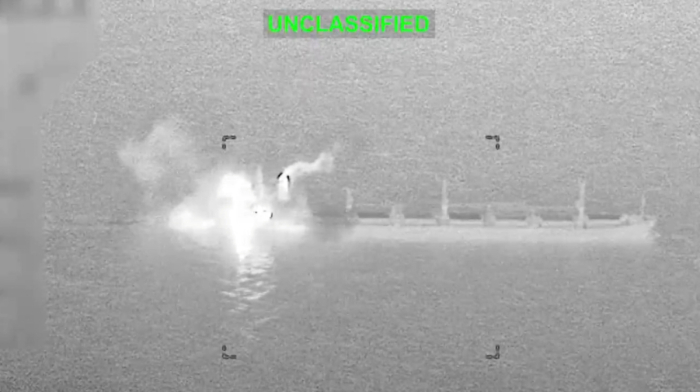
Yemen’s Houthis have claimed responsibility for the recent drone and missile strikes on Saudi Aramco facilities in Dhahran and Riyadh and at King Khalid International Airport in Saudi Arabia, vowing to carry out more attacks in the coming days.
The Saudi-led coalition in Yemen said late Monday that it intercepted and destroyed two ballistic missiles launched by the Houthi group toward Khamis Mushait in southwestern Saudi Arabia.
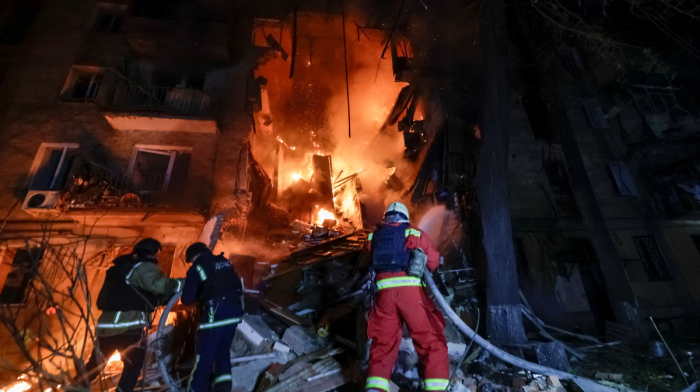
Ukrainian President Volodymyr Zelenskyy says Russia hit at least six energy targets in deadly strikes across Ukraine, showing Moscow is unwilling to accept the energy ceasefire announced by U.S. President Donald Trump.
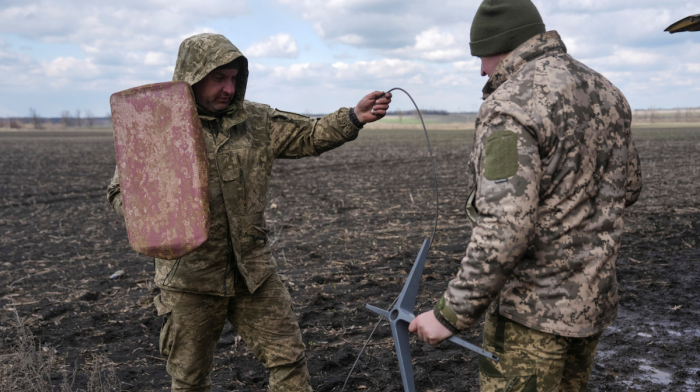
Ukraine's soldiers have had their access to Starlink satellite internet restricted. Kyiv's troops use the terminals, made by Elon Musk's SpaceX, to pilot drones. A source in Ukraine's Defence Ministry said the restrictions would make it harder for Kyiv's army to down Russian drones.
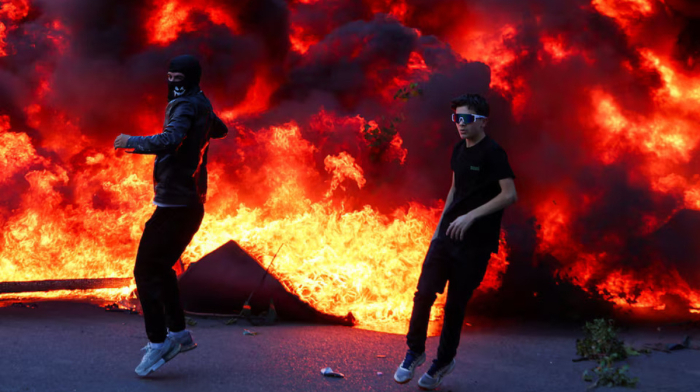
Tens of thousands of students have taken to the streets across Albania to protest rising education costs and corruption, with demonstrations turning violent. Prime Minister Edi Rama has rejected calls to resign, insisting his government will remain in office.
Ukraine is set to restart attacks on Russian oil refineries following a two-day pause, President Volodymyr Zelenskyy said, amid growing tensions with Washington over energy strikes and U.S. military support.
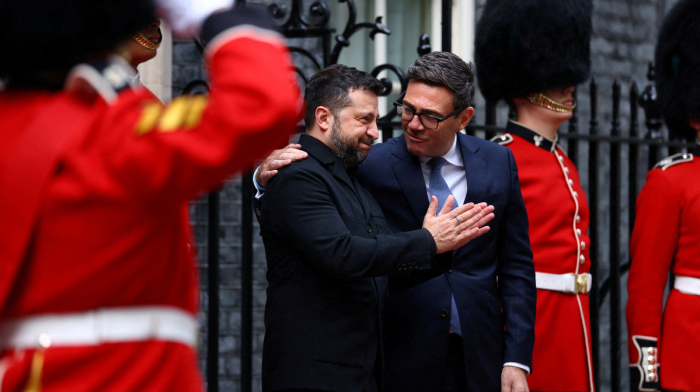
Britain has announced new military, energy and nuclear-safety support for Ukraine following President Volodymyr Zelenskyy’s talks with Prime Minister Andy Burnham in London.
A maritime dispute between Washington and Madrid is escalating after a U.S. federal agency proposed new measures that could affect Spanish shipping companies and a range of exports headed to the American market.
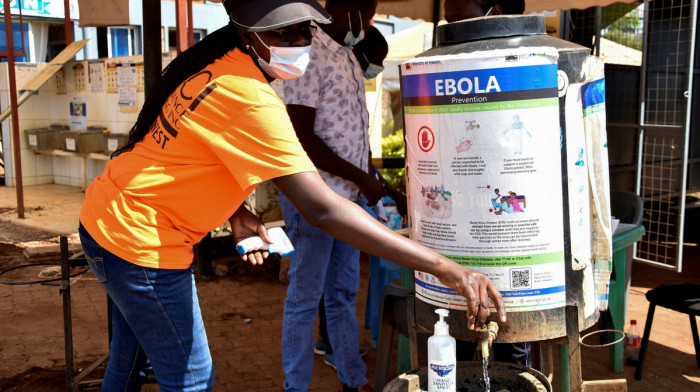
Kenya has confirmed a second case of Ebola, intensifying efforts to prevent the spread of the virus after the country recorded its first-ever infection earlier this month.
Download the AnewZ app
You can download the AnewZ application from Play Store and the App Store.












What is your opinion on this topic?
Leave the first comment