Start your day informed with AnewZ Morning Brief: here are the top news stories for the 29th of January, covering the latest developments you need to know.
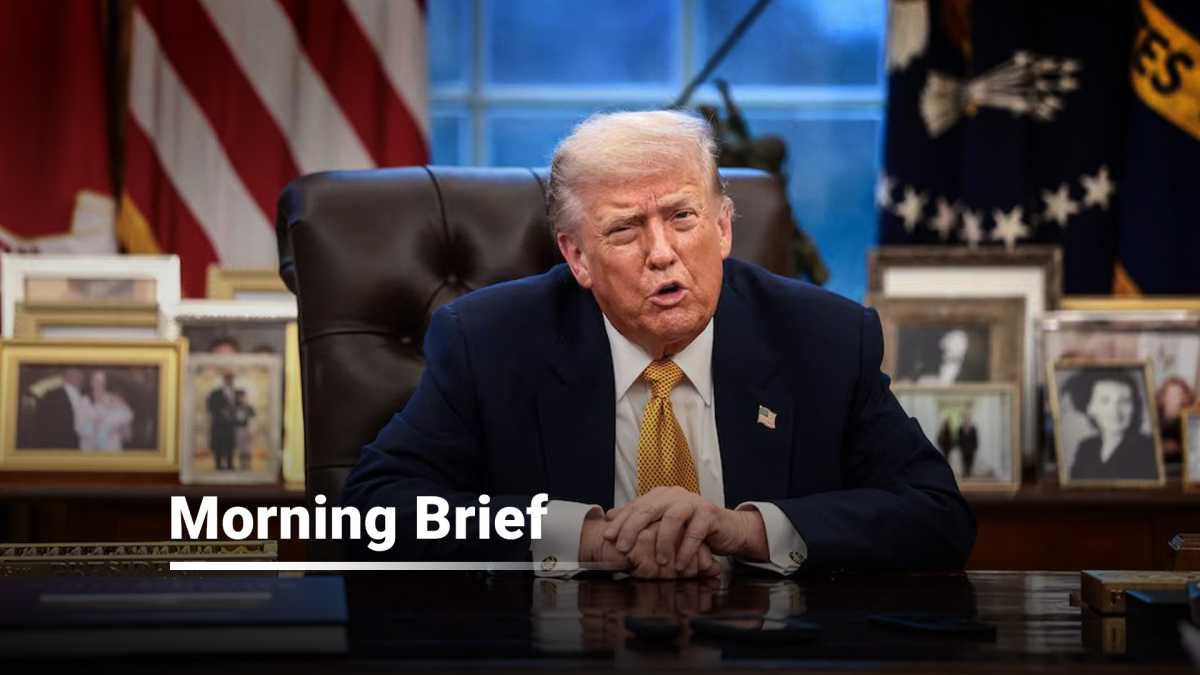
Trump threatens Iran with 'far worse' attack over nuclear deal
U.S. President Donald Trump has issued a stark warning to Iran, threatening a military strike "far worse" than previous actions if Tehran refuses to negotiate a new nuclear deal that excludes weapons development. As a U.S. naval armada approaches the region, Iranian officials have responded defiantly, stating their armed forces are ready to retaliate against American and Israeli targets, whilst simultaneously expressing openness to a fair agreement free from coercion.
Starmer meets Xi in Beijing to reset UK-China ties
In the first visit by a British Prime Minister to China since 2018, Keir Starmer met with President Xi Jinping in Beijing on Thursday to discuss deepening economic cooperation and resetting diplomatic relations. Amidst global uncertainty fuelled by President Trump’s protectionist policies, the two leaders agreed to collaborate on cracking down on people-smuggling gangs and improving trade. The meeting comes amid tensions over UK security restrictions on Chinese technology and previous criticisms of Beijing’s human rights record.
Iran seeks to avoid escalation with Trump
Former Turkish diplomat Melih Demirtaş told AnewZ that Iran is likely to exercise caution to avoid further escalation with the United States and Israel, despite its bold rhetoric and recent internal unrest. With regional powers such as Saudi Arabia and the UAE refusing to allow their airspace to be used for strikes on Tehran, Demirtaş emphasised the critical need for diplomacy to prevent the current standoff from spiralling into a broader conflict.
Israel buries final hostage as Gaza 'painful chapter' closes
Prime Minister Benjamin Netanyahu declared the end of a "painful chapter" as Israel buried Ran Gvili, the last remaining hostage recovered from Gaza, fulfilling a key condition of the U.S.-brokered peace deal agreed last October. The 24-year-old police officer, whose remains were returned alongside 20 living hostages earlier this week, was laid to rest in a ceremony attended by hundreds, marking a moment of national closure that paves the way for the reopening of the Rafah crossing and the next phase of the ceasefire agreement.
Kremlin guarantees Zelenskyy's safety for Moscow talks
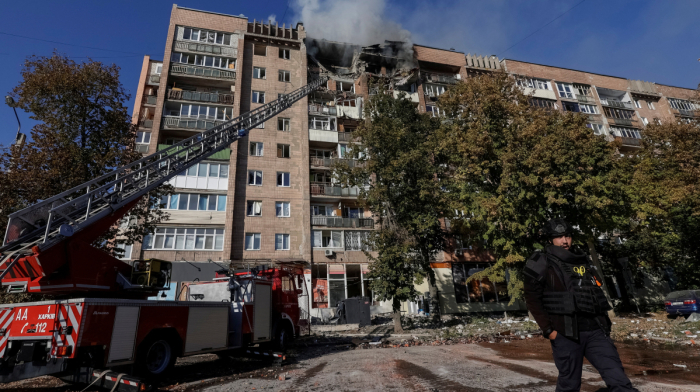
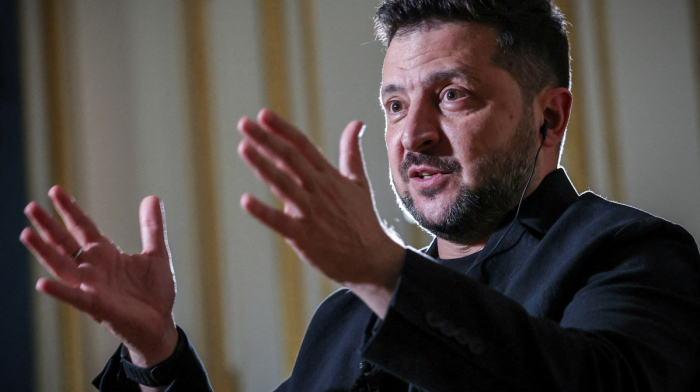
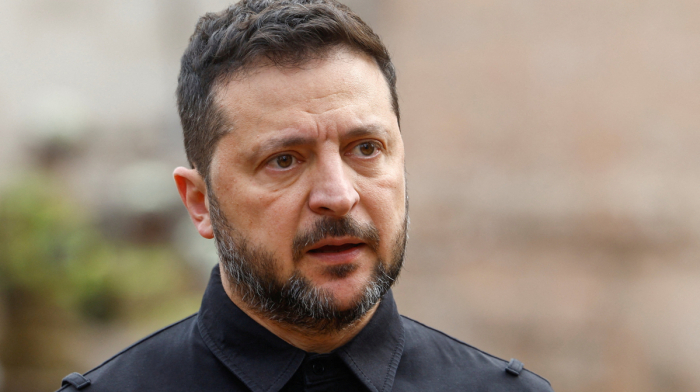
The Kremlin has reiterated its invitation for Ukrainian President Volodymyr Zelenskyy to visit Moscow for peace negotiations, with aide Yury Ushakov assuring that his safety would be guaranteed. While Russian forces continued overnight with drone and missile strikes on Ukrainian cities, Moscow insisted that any high-level meeting must be meticulously prepared to yield concrete results. Also the Kremlin dismissed Zelenskyy’s counter-proposal for President Vladimir Putin to visit Kyiv as unfeasible due to the International Criminal Court (ICC) arrest warrant against the Russian leader.











What is your opinion on this topic?
Leave the first comment