The Kremlin has reiterated that Volodymyr Zelenskyy is welcome in Moscow for talks with Vladimir Putin, stressing that any meeting must be fully prepared and aimed at achieving concrete results.
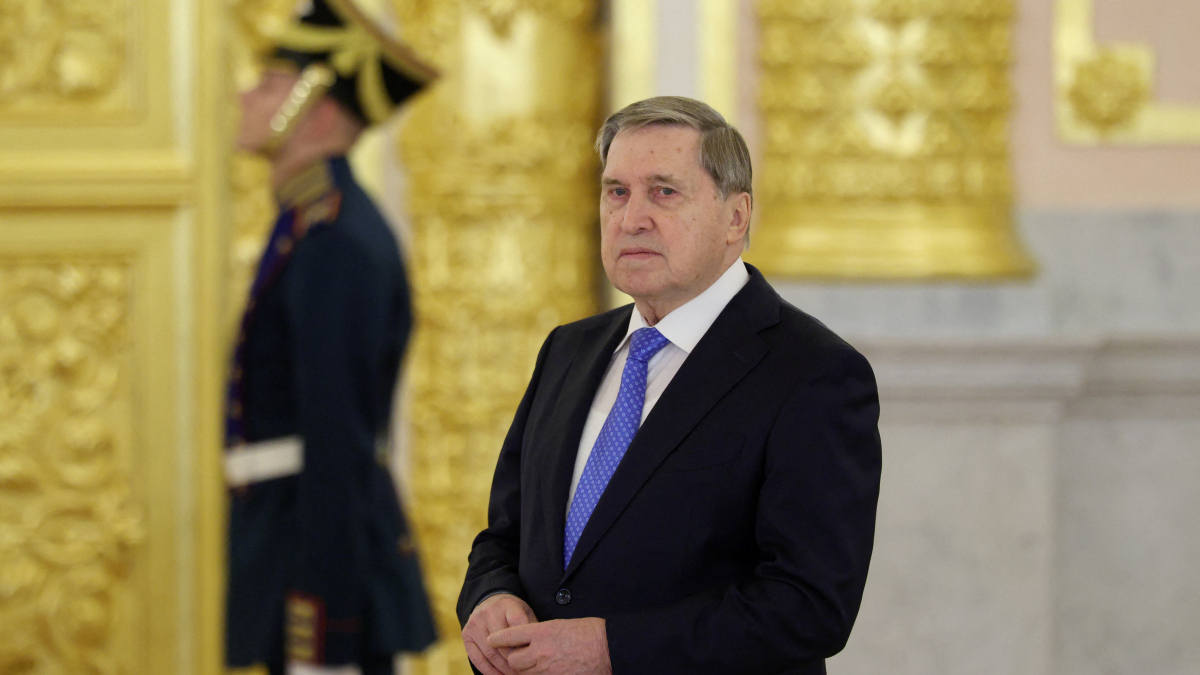
Kremlin aide Yury Ushakov said on Wednesday (28 January) that the invitation for Ukrainian President Volodymyr Zelenskyy to visit Moscow for talks with Russian President Vladimir Putin remains open.
He said Putin has repeatedly signalled readiness for such contact and that Russia has never refused the idea.
"Our president has repeatedly told journalists that if Zelenskyy is truly ready for a meeting, we would be happy to welcome him to Moscow," Ushakov said.
He added that the issue had been raised several times during Putin’s telephone conversations with U.S. President Donald Trump, noting that Trump encouraged both sides to explore the possibility.
'Come to Kyiv'
Russia already raised the notion of a bilateral meeting in Moscow last year. Zelenskyy rejected the idea, instead suggesting that Putin go to Kyiv. However, this would be highly unlikely to happen, since the Russian president would probably be arrested if he set foot in the Ukrainian capital. Ukraine is a member of the International Criminal Court (ICC). The body has arrest warrants out for Putin on charges alleging responsibility for "the war crime of unlawful deportation of population (children) and that of unlawful transfer of population (children) from occupied areas of Ukraine to the Russian Federation," from 24 February 2022. Russia is not a State Party to the ICC.
Preparation essential
Ushakov stressed that any meeting must be grounded in detailed preparation and aimed at specific outcomes.
"First and foremost, these contacts must be well prepared. Secondly, they must be focused on achieving specific positive results," he said.
He also said Russia would guarantee Zelenskyy’s "safety and the necessary working conditions," if he decided to make the trip to Moscow.
Civilian areas hit again
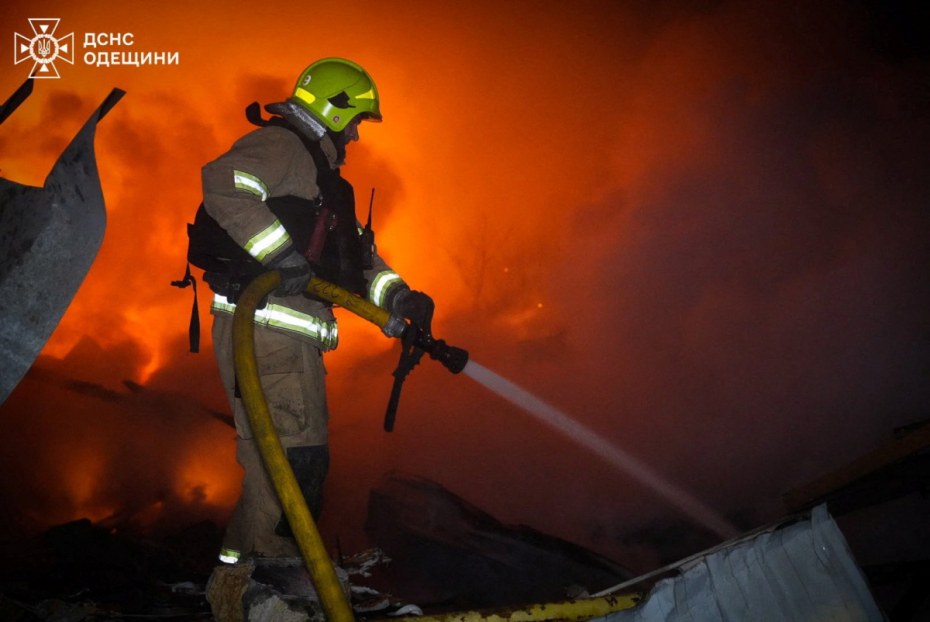
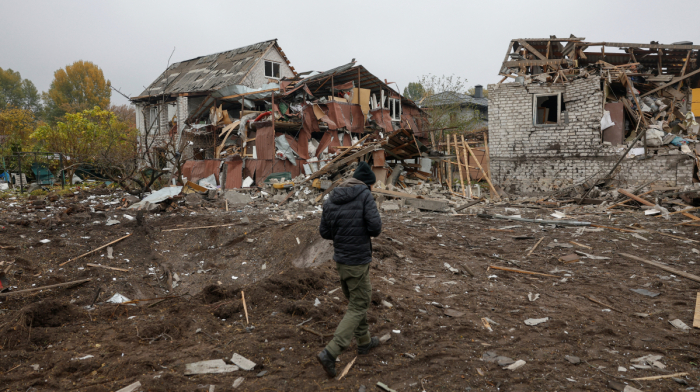
His comments came after Ukraine reported Russia carried out another wave of drone and missile strikes overnight from Tuesday to Wednesday. The attacks on towns and cities killed a couple near Kyiv.
Local media said the woman’s four-year-old daughter survived.
Neighbour and journalist Marian Kushnir told Radio Free Europe the child cried and “shook violently” as he carried her from the damaged building, saying he had never experienced such emotion in ten years of reporting on the conflict.
President Volodymyr Zelenskyy condemned the strikes, including one he said hit a residential area in Zaporizhzhia with no military targets.
He pledged a response to the attacks and noted they came between rounds of U.S.-brokered peace talks between Kyiv and Moscow, with the next meeting expected at the weekend.
Ukraine said Russia launched an Iskander-M missile and 146 drones overnight, of which 103 were downed. Emergency services reported damage to a 17-storey building in Kyiv.
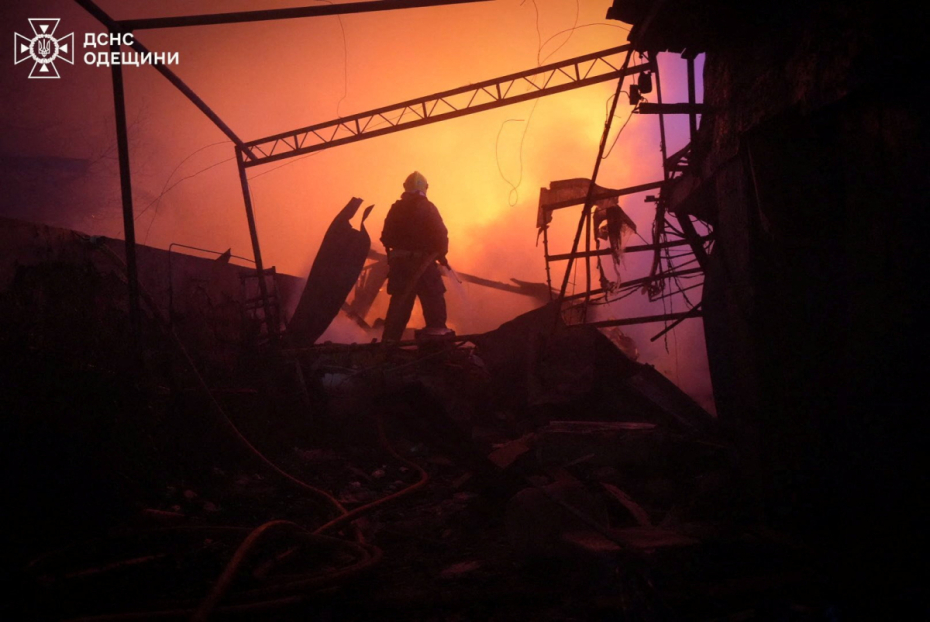
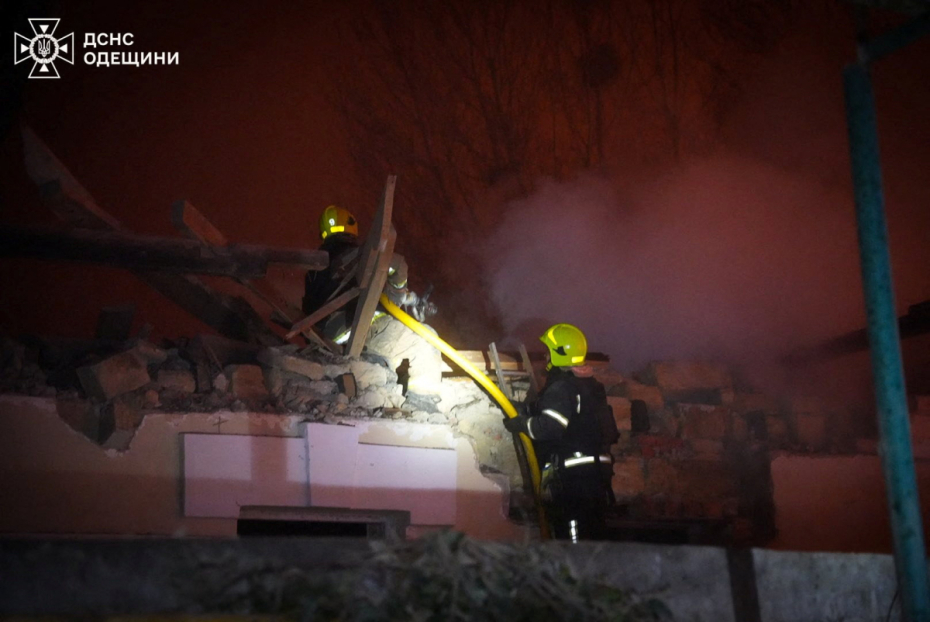
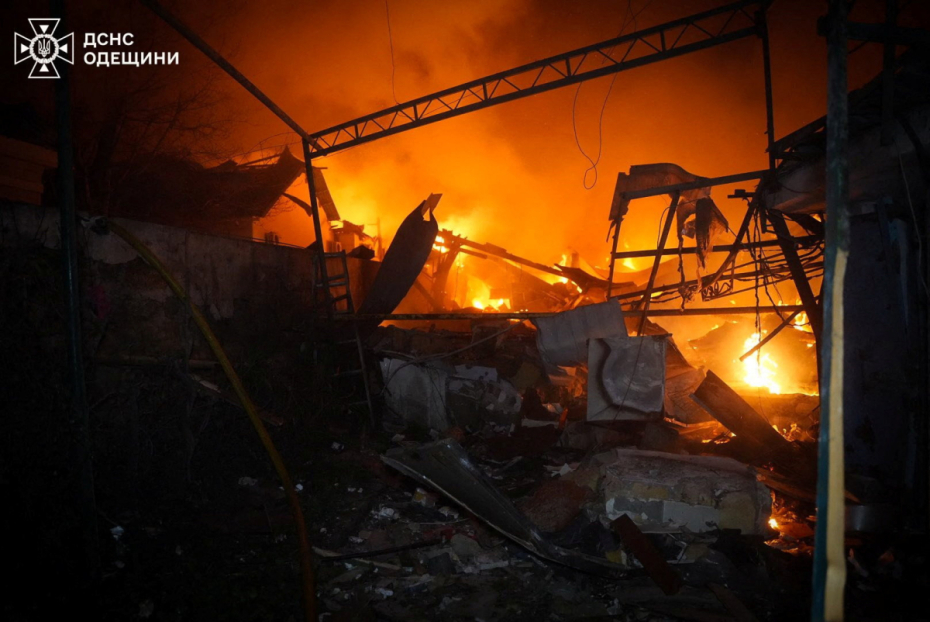
Strikes also hit Odesa, Zaporizhzhia and Kryvyi Rih.
Three people were injured in Odesa, where a day of mourning had already been declared after an earlier drone attack killed three.
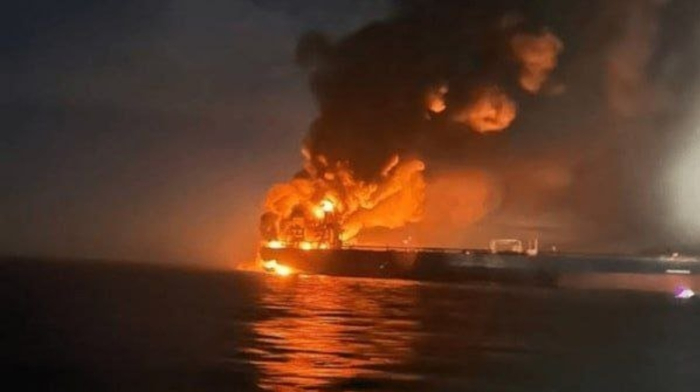
Officials said the port of Pivdennyi was targeted but continued operating.
Zelenskyy said energy and industrial facilities were damaged and that hundreds of buildings were left without heating.











What is your opinion on this topic?
Leave the first comment