Ongoing attacks on Ukrainian cities “undermine the credibility of the recent trilateral talks.” That’s political analyst Orkhan Nabiyev's assessment of the peace talks in Abu Dhabi on 23-24 January, attended by representatives of Ukraine, Russia, and the United States.
Officials described the meetings as “constructive” and “very positive”, however no formal agreement was reached.
According to Ukrainian President Volodymyr Zelenskyy the talks explored “possible parameters for ending the war.” He noted that while disagreements remain, their number has decreased and discussions will continue.
Russian officials similarly framed the talks as constructive but emphasized that major differences over territorial and security issues persist.
The meetings occurred amid continued hostilities.
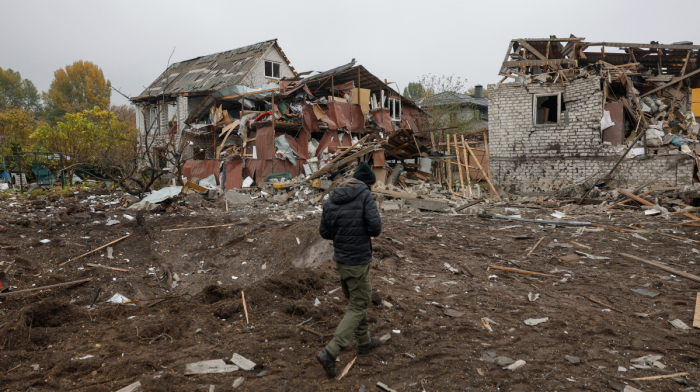
On the second day of talks, Russian forces launched drone and missile strikes on Kyiv and Kharkiv, disrupting electricity and heating for more than a million residents during severe winter conditions. Ukrainian authorities criticised the timing as disruptive to diplomacy.
Talking to AnewZ, Nabiyev cautioned that ongoing attacks limit the credibility of the negotiations.
“If Russia were to stop attacks on Ukrainian civilian and energy infrastructure today, and cease all air operations, that would be a meaningful sign of intent,” he said.
“But as long as bombardments continue alongside talks, Russia is essentially imitating negotiations… aiming to prolong the situation until political conditions may shift in its favor.”
He added that dialogue without reductions in violence can appear tactical rather than substantive. Fundamental issues (including territorial control, security guarantees, and postwar arrangements) remain unresolved, underscoring the difficulty of achieving a meaningful compromise.
Looking ahead, Nabiyev noted that the next round of Abu Dhabi talks is expected in early February under U.S. mediation.
“Without confidence-building measures or a clear reduction in hostilities, diplomatic engagement risks becoming a prolonged stall rather than a credible path to peace,” he said.













What is your opinion on this topic?
Leave the first comment