Russia’s defence ministry said its forces had taken control of the village of Starytsya in Ukraine’s Kharkiv region, near the border town of Vovchansk. Ukraine’s military did not confirm the claim, saying fighting was continuing in the area and that no territorial losses had been acknowledged.
Ukraine’s General Staff said Russian forces carried out six attacks near Starytsya, adding that independent verification of battlefield claims was not immediately possible.
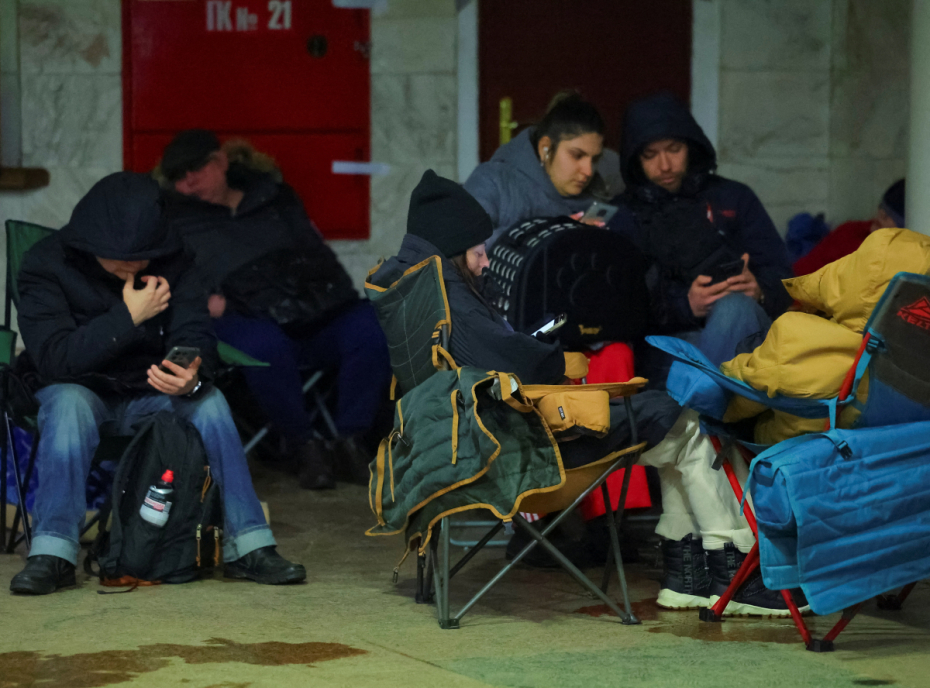
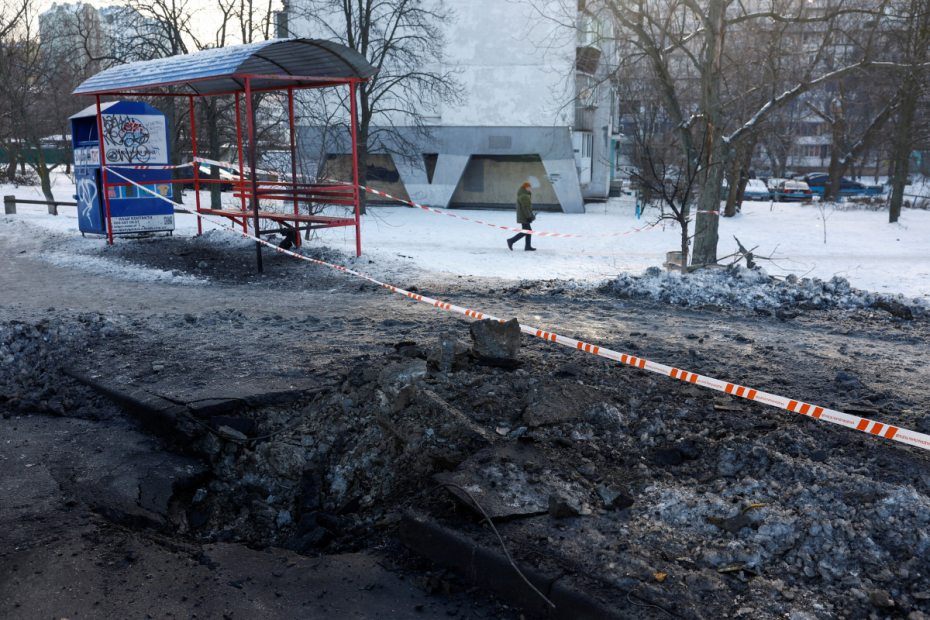
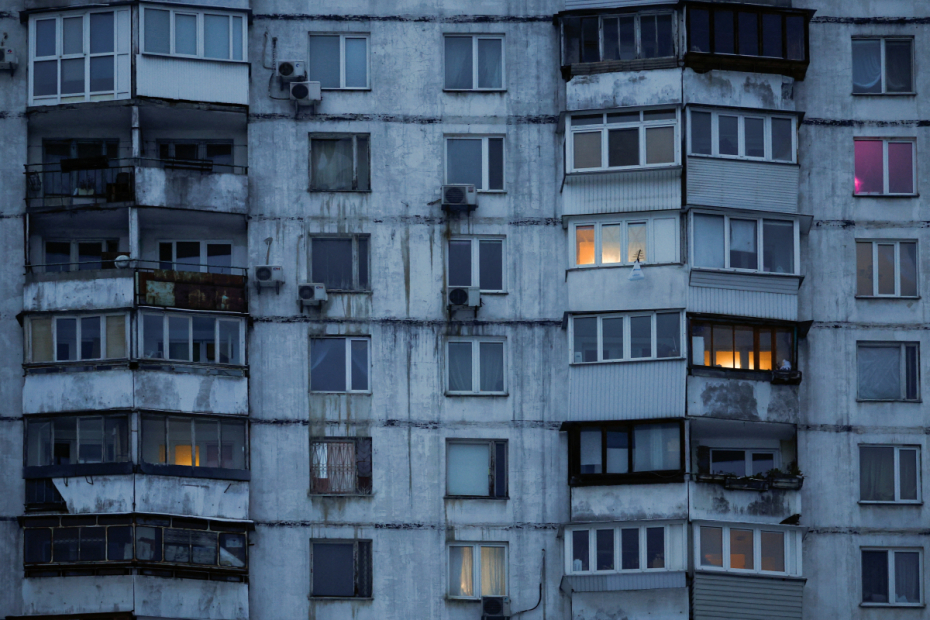
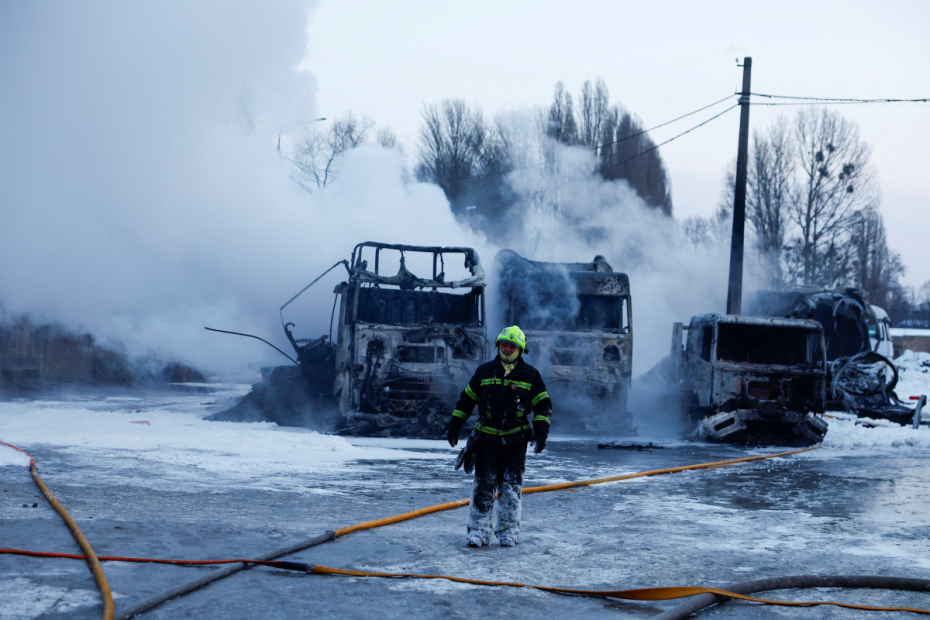
Russian drone and missile strikes overnight killed at least one person and left millions without electricity and heating during freezing winter temperatures, Ukrainian officials said.
The attacks came as Russian and Ukrainian negotiators resumed U.S.-brokered peace talks in Abu Dhabi on Saturday, 24 January.
Ukraine said hundreds of drones and missiles hit energy infrastructure in Kyiv and the eastern city of Kharkiv, injuring 31 people and causing widespread power outages.
Fires broke out in residential buildings in the capital, while a hospital and a maternity hospital were damaged in Kharkiv, officials reported.
Ukraine’s air force said Russia launched 375 drones and 21 missiles overnight, again targeting energy facilities and cutting power and heating across large parts of Kyiv.
More than 1.2 million people in Kyiv and the northern Chernihiv region were left without electricity, Ukraine’s deputy prime minister said, with temperatures falling to around minus 10 Celsius.
Ukraine’s foreign minister, Andrii Sybiha, accused Vladimir Putin of acting "cynically", adding that the attacks showed his "place is not at the Board of Peace, but in the dock of the special tribunal". Sybiha was not attending the talks.
Talks continue in Abu Dhabi
Kyiv is under mounting pressure from the Trump administration to make concessions to reach a peace deal in the war triggered by Russia’s full-scale invasion in February 2022.
Zelenskyy said on Friday it was too early to draw conclusions from the first day of talks and urged Moscow to demonstrate that it was ready to end the conflict. Senior representatives from Ukraine’s armed forces and military intelligence were due to join the discussions.
U.S. peace envoy Steve Witkoff struck an optimistic tone earlier this week at the World Economic Forum in Davos, saying only one major sticking point remained in the negotiations. Russian officials, however, have expressed greater scepticism.
Donbas remains key obstacle
Ahead of the talks, Kremlin spokesman Dmitry Peskov said Russia had not dropped its demand that Ukraine cede all of the eastern Donbas region, including the industrial heartlands of Donetsk and Luhansk.
Putin has insisted that Ukraine surrender the roughly 20% of Donetsk it still controls, an area of about 5,000 sq km.
Zelenskyy has repeatedly rejected any territorial concessions involving land Russian forces have failed to seize during four years of grinding warfare. Opinion polls show little support among Ukrainians for giving up territory.
The Ukrainian president said the latest strikes showed there must be no delays in supplying Ukraine with air-defence systems agreed with U.S. President Donald Trump in Davos, adding that those commitments must be "fully implemented".
Russia argues the attacks targeted facilities producing long-range drones and energy sites linked to Ukraine’s military-industrial complex.
Moscow says it supports a diplomatic settlement but will continue military operations while negotiations fail to deliver an agreement.
Rustem Umerov, secretary of Ukraine’s National Security and Defence Council and head of the Ukrainian delegation, said the first day of talks focused on possible parameters for ending the war and the "further logic of the negotiation process".
Both Zelenskyy and Trump described their meeting on the sidelines of the Davos forum as positive, but provided few details.













What is your opinion on this topic?
Leave the first comment