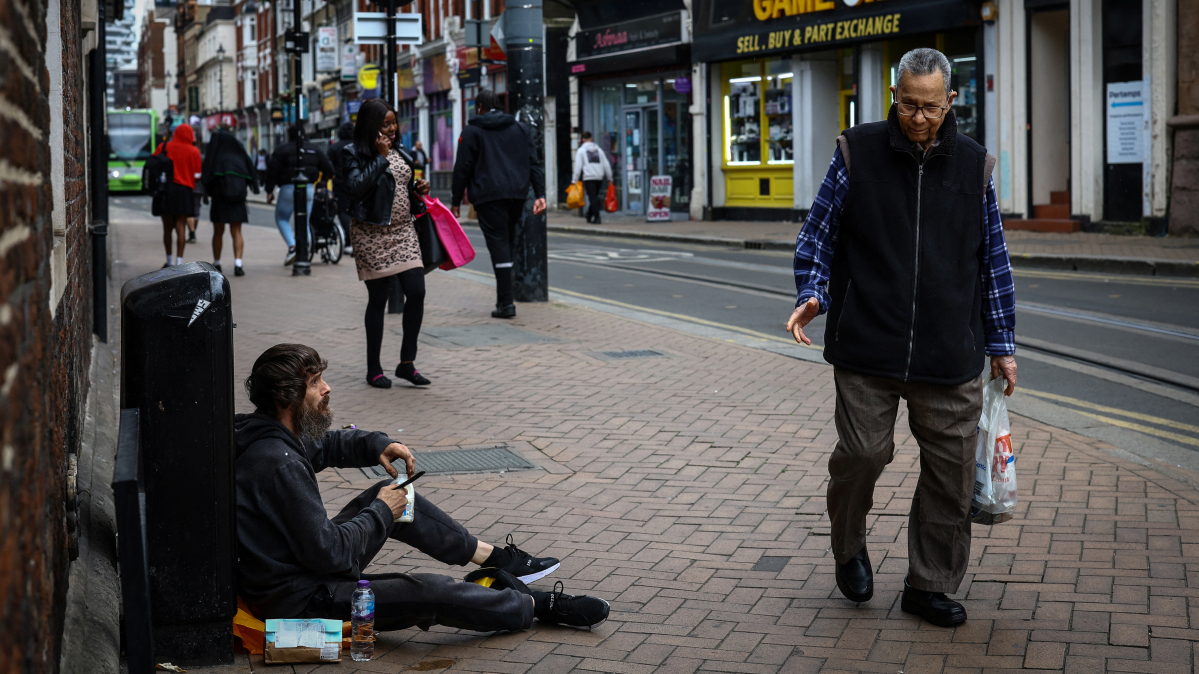
Millions of people in Britain are struggling to afford basic necessities, with a new report warning that the number living in the deepest levels of poverty has reached a 30-year high, driven by soaring housing costs and rising child poverty.
The research, published on Tuesday (27 January) by the Joseph Rowntree Foundation (JRF), looks at the position up to the 2023/24 financial year, just before the 2024 UK General Election and the change in government. It found that around 6.8 million people are now living in what it calls “very deep poverty”, the highest level seen in around 30 years.
“Very deep poverty” is defined as households surviving on less than 40% of the UK’s median income after housing costs. For a couple with two young children, that amounts to roughly £16,400 a year.
In practical terms, campaigners say, this level of income often barely stretches to cover rent, leaving families forced to make difficult daily choices.
The cost of just having a home
Housing remains one of the biggest pressures.
Average private rents are now around £2,000 a month in London, while outside the capital they typically range from £1,000 to £1,200. For low-income households, rent alone can consume more than half of their income.
That leaves little left for food, transport, school costs or energy bills. Many families report skipping meals, keeping the heating off even in winter, delaying medical appointments or falling behind on household bills.
Despite a slight improvement in the overall poverty rate, which fell from 24% in the mid-1990s to 21% in 2023/24, the number of people in the most severe hardship has grown.
The share of the population living in very deep poverty has risen from 8% to 10%, now making up nearly half of everyone living in poverty.
Child poverty: growing up without the basics
The report paints a particularly stark picture for children.
According to the JRF, 4.5 million children in Britain are now living in poverty, with the figure rising for the third year in a row.
For families, that can mean children growing up in overcrowded housing, missing out on school trips, relying on second-hand clothes or going without regular, nutritious meals. Teachers and charities say some children arrive at school hungry or anxious because of money worries at home.
The government has announced it will scrap the two-child limit on welfare payments from April, a policy, introduced by a previous government, that restricted support for families with more than two children.
Finance Minister Rachel Reeves says the move, expected to cost £3.1 billion, is intended to reduce child poverty by increasing benefits for affected families.
The JRF welcomed the decision but warned it cannot be the only step, saying progress will stall without wider action on low pay, housing costs and the social security system.
Children remain disproportionately affected by poverty, alongside people with disabilities. The report also found particularly high poverty rates among some minority communities, including Bangladeshi and Pakistani households.
Why is poverty deepening?
Campaigners say the rise in deep poverty is the result of several overlapping pressures.
While the UK economy showed signs of growth late last year, living costs remain high, especially for housing, food and energy. Inflation has eased from its peak but continues to squeeze household budgets, while benefit levels have not always kept pace with rising prices.
Years of cuts to welfare support, combined with low-paid or insecure work and soaring rents, have left many households with little financial buffer.
Reacting to the findings, John Bird, founder of the Big Issue magazine, described the report as “bad news for society”, warning that deepening poverty affects not only individuals but communities and future generations. The magazine helps those going through homelessness to earn a legal income.
Behind the figures, charities say, are millions of people struggling not for luxuries, but for stability, and for the basics many once took for granted.


















What is your opinion on this topic?
Leave the first comment